
US and Iran Agree to Two-Week Ceasefire Brokered by Pakistan
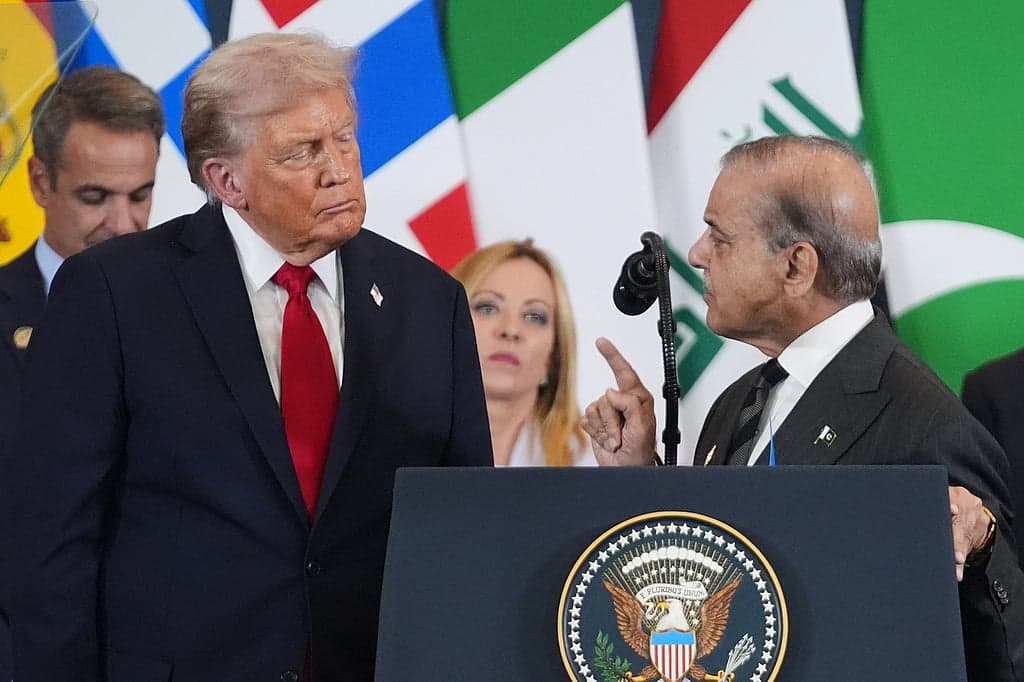
Here's what it means for you.
The recent ceasefire between the US and Iran, facilitated by Pakistan, could stabilize oil prices and improve economic conditions in the UAE, impacting your cost of living and business operations.
Why it matters
This ceasefire halts a six-week conflict that threatened global oil supply and regional stability, directly affecting markets and economies worldwide.
What happened (in 30 seconds)
- On April 8, 2026: The US and Iran announced a fragile two-week ceasefire, mediated by Pakistan.
- Pakistan's role: Leveraging its diplomatic ties, Pakistan hosted meetings and engaged global leaders to facilitate communication.
- Next steps: Follow-up negotiations are scheduled for April 10, 2026, in Islamabad, with the ceasefire linked to the reopening of the Strait of Hormuz.
The context you actually need
- Escalation of conflict: The situation escalated on February 28, 2026, with US strikes on Iran amid broader hostilities involving Israel.
- Pakistan's mediation efforts: Pakistan has represented Iranian interests in Washington and maintained ties with both the US and Iran, positioning itself as a neutral mediator.
- Economic implications: The conflict resulted in over 5,000 casualties across nearly a dozen countries, highlighting the urgent need for resolution.
What's really happening
The ceasefire brokered by Pakistan represents a significant diplomatic achievement, reflecting the intricate web of geopolitical interests in the Middle East. Following the initial conflict escalation on February 28, 2026, the absence of direct diplomatic channels between the US and Iran exacerbated tensions, leading to a rapid deterioration of the situation. Pakistan, recognizing the potential for broader regional instability, activated its mediation efforts early on.
In late March, the US transmitted a 15-point peace plan through Pakistan, indicating a willingness to negotiate. As the deadline approached, Prime Minister Shehbaz Sharif engaged with over a dozen world leaders, emphasizing Pakistan's role as a facilitator of dialogue. This culminated in a phased truce proposal that was accepted by both the US and Iran, with the announcement made on April 8, 2026.
The ceasefire is not just a temporary halt to hostilities; it is intricately linked to the reopening of the Strait of Hormuz, a critical chokepoint for global oil transportation. The implications of this ceasefire extend beyond immediate military concerns; they touch on economic stability, energy prices, and regional alliances. The announcement triggered a significant drop in oil prices, plunging over 13% to below $100 per barrel, which is expected to provide relief to consumers and businesses in the UAE, particularly in Dubai, where high energy costs have been a burden.
As the negotiations in Islamabad approach, the focus will be on establishing a more permanent resolution to the underlying issues that led to the conflict. Analysts emphasize the importance of adherence to the ceasefire terms, as failure to do so could reignite tensions and destabilize the region further. The successful mediation by Pakistan not only enhances its diplomatic standing but also positions it as a key player in future negotiations involving major global powers.
Who feels it first (and how)
- Energy sector professionals: Fluctuations in oil prices directly impact their operations and profitability.
- Consumers in the UAE: A decrease in fuel costs could lead to lower living expenses and improved economic conditions.
- Global investors: Market stability and reduced conflict risks can influence investment decisions and stock market performance.
What to watch next
- Negotiation outcomes: The April 10 discussions in Islamabad will be crucial in determining the future of US-Iran relations and regional stability.
- Oil price trends: Continued monitoring of oil prices will indicate market reactions to the ceasefire and any subsequent developments.
- Regional alliances: Watch for shifts in diplomatic relationships among Middle Eastern countries as they respond to the ceasefire and its implications.
The ceasefire is currently in effect for two weeks, with negotiations scheduled.
If negotiations succeed, a more permanent resolution could stabilize the region and lower oil prices further.
The long-term adherence to the ceasefire and its impact on US-Iran relations remains uncertain.
Frequently Asked Questions
- Why it matters?
- This ceasefire halts a six-week conflict that threatened global oil supply and regional stability, directly affecting markets and economies worldwide.
- What happened (in 30 seconds)?
- On April 8, 2026: The US and Iran announced a fragile two-week ceasefire, mediated by Pakistan. Pakistan's role: Leveraging its diplomatic ties, Pakistan hosted meetings and engaged global leaders to facilitate communication. Next steps: Follow-up negotiations are scheduled for April 10, 2026, in Islamabad, with the ceasefire linked to the reopening of the Strait of Hormuz.
- What's really happening?
- The ceasefire brokered by Pakistan represents a significant diplomatic achievement, reflecting the intricate web of geopolitical interests in the Middle East. Following the initial conflict escalation on February 28, 2026, the absence of direct diplomatic channels between the US and Iran exacerbated tensions, leading to a rapid deterioration of the situation. Pakistan, recognizing the potential for broader regional instability, activated its mediation efforts early on. In late March, the US tr
- Who feels it first (and how)?
- Energy sector professionals: Fluctuations in oil prices directly impact their operations and profitability. Consumers in the UAE: A decrease in fuel costs could lead to lower living expenses and improved economic conditions. Global investors: Market stability and reduced conflict risks can influence investment decisions and stock market performance.
- What to watch next?
- Negotiation outcomes: The April 10 discussions in Islamabad will be crucial in determining the future of US-Iran relations and regional stability. Oil price trends: Continued monitoring of oil prices will indicate market reactions to the ceasefire and any subsequent developments. Regional alliances: Watch for shifts in diplomatic relationships among Middle Eastern countries as they respond to the ceasefire and its implications.
UAE-based newspaper covering Gulf politics, society, and international developments.
"Gulf News is one of the UAE’s most prominent English-language publications."
— A47 Editor
How Pakistan’s quiet diplomacy drives US-Iran ceasefire breakthrough
A two-week ceasefire between the United States and Iran has been announced, facilitated by Pakistan's quiet diplomacy. This agreement comes amid escalating tensions in the Middle East, particularly concerning the strategic Strait of Hormuz, and aims ...
A curated Gulf News feed featuring major stories across news, business, opinion, and lifestyle.
"Gulf News is a major UAE newspaper whose featured stories feed reflects a broad editorial mix shaped for a Gulf audience."
— A47 Editor
How Pakistan’s quiet diplomacy drives US-Iran ceasefire breakthrough
A two-week ceasefire between the United States and Iran has been announced, facilitated by Pakistan's quiet diplomacy. This agreement comes amid escalating tensions in the Middle East, particularly concerning the strategic Strait of Hormuz, and aims ...
Global markets, investing, and macroeconomics from a premier financial newsroom.
"Bloomberg is respected for in-depth financial reporting and data-driven analysis."
— A47 Editor
How Pakistan Helped Pause the Iran War
Pakistan played a crucial role in averting a significant escalation in the Iran conflict by facilitating a ceasefire, as Prime Minister Shehbaz Sharif leveraged global diplomatic ties to broker this agreement. This intervention comes amid heightened ...