
Iran's Internet Blackout Surpasses 1,000 Hours Amid U.S.-Israel Military Actions
Here's what it means for you.
The ongoing internet blackout in Iran could disrupt global digital services and economic ties, impacting businesses and expatriates worldwide.
Why it matters
This blackout exemplifies how geopolitical conflicts can lead to significant disruptions in global connectivity and economic stability.
What happened (in 30 seconds)
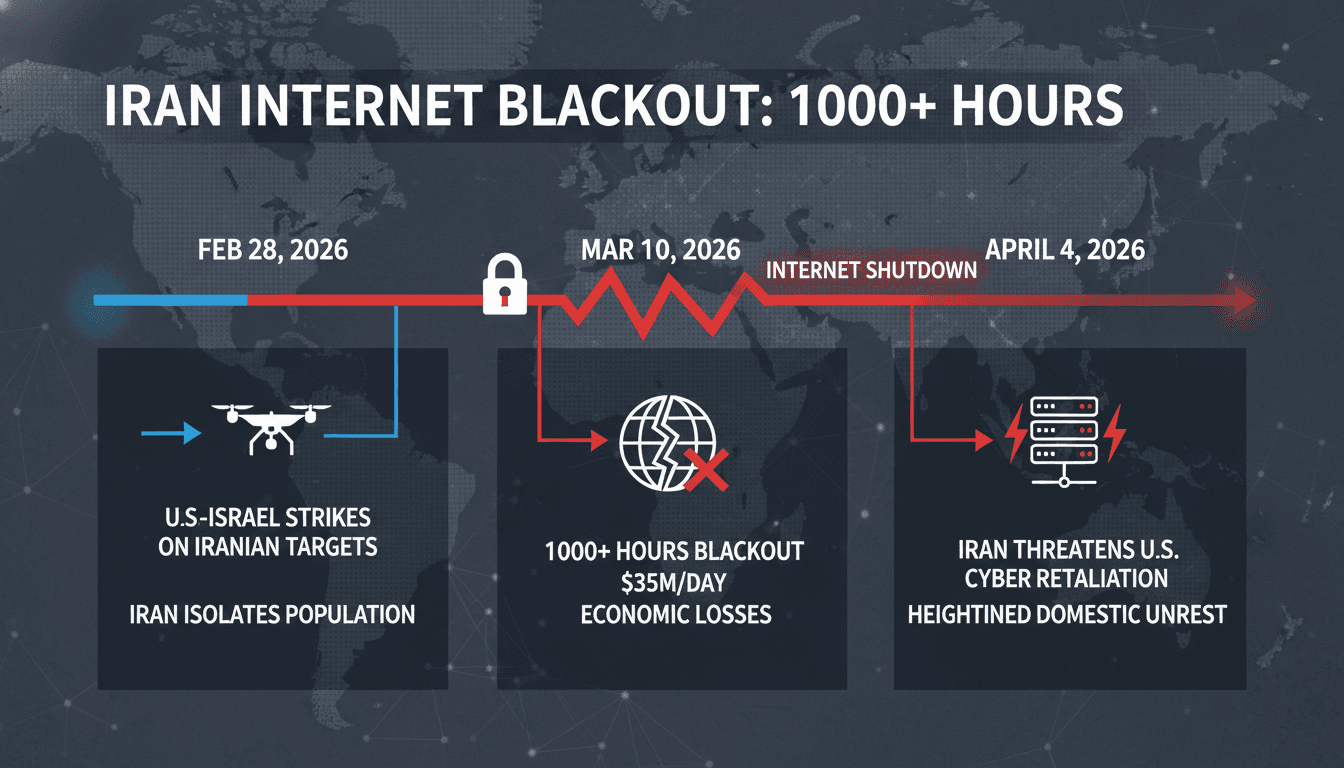
- Iran's internet connectivity dropped to near zero on February 28, 2026, following U.S. and Israeli military strikes.
- The blackout has exceeded 1,000 hours, marking one of the longest nationwide outages recorded.
- Over 90 million Iranians are isolated from global communication, with severe implications for businesses and civil rights.
The context you actually need
- The blackout follows prior protests in Iran, which led to temporary internet restrictions earlier in 2026.
- Iranian authorities have implemented strict measures to control information flow, including jamming satellite communications and criminalizing unauthorized internet access.
- Economic losses are estimated at $35 million daily, severely impacting small businesses and e-commerce operations.
What's really happening
The Iranian internet blackout, initiated on February 28, 2026, is a direct response to escalating military tensions between Iran and a coalition of U.S. and Israeli forces. Following joint strikes targeting Iranian military sites, the Iranian government severed international internet access, effectively isolating its population of over 90 million from global communication. This drastic measure is part of a broader strategy to maintain control over information and suppress dissent amid ongoing protests and civil unrest.
The blackout has been characterized by a staggering 98% drop in HTTP traffic, as reported by Cloudflare Radar, and has persisted for over 1,000 hours, making it one of the longest national internet outages in history. The Iranian government has justified these actions as necessary for national security, claiming that external influences could exacerbate internal instability. However, this rationale has been met with widespread condemnation from human rights organizations, which argue that the blackout violates fundamental rights and exacerbates civilian risks during conflict.
The implications of this blackout extend beyond Iran's borders. For instance, retaliatory drone strikes by Iranian forces have already impacted digital infrastructure in the UAE, causing outages in services critical to Dubai residents. The UAE government has responded by tightening restrictions on Iranian-linked networks and seizing significant Iranian assets, further isolating the Iranian diaspora and affecting cross-border business operations.
As the blackout continues, the economic ramifications are becoming increasingly severe. Daily losses of approximately $35 million are crippling small businesses, with e-commerce activity plummeting by 80%. The Iranian government has enacted harsh penalties for unauthorized internet access, including the potential for execution, creating a climate of fear and compliance among the populace.
In summary, the Iranian internet blackout is not merely a national issue; it is a significant geopolitical event with far-reaching consequences for global connectivity, economic stability, and human rights.
Who feels it first (and how)
- Iranian citizens: Facing isolation from global communication and severe economic impacts.
- Small business owners: Experiencing crippling losses due to e-commerce disruptions.
- Expatriates in the UAE: Affected by tightened restrictions and asset seizures linked to Iranian nationals.
- Global tech companies: Potential disruptions in services and operations due to geopolitical tensions.
What to watch next
- International responses: Monitor how global powers react to Iran's continued isolation and the implications for diplomatic relations.
- Economic indicators in Iran: Watch for changes in economic activity and potential protests as the blackout persists.
- Cybersecurity developments: Keep an eye on advancements in jamming technologies and their impact on global internet infrastructure.
The blackout has exceeded 1,000 hours and is ongoing.
Economic impacts will continue to escalate, affecting both Iranian citizens and international businesses.
The timeline for restoring internet access and the potential for further military escalation.
Frequently Asked Questions
- Why it matters?
- This blackout exemplifies how geopolitical conflicts can lead to significant disruptions in global connectivity and economic stability.
- What happened (in 30 seconds)?
- Iran's internet connectivity dropped to near zero on February 28, 2026, following U.S. and Israeli military strikes. The blackout has exceeded 1,000 hours, marking one of the longest nationwide outages recorded. Over 90 million Iranians are isolated from global communication, with severe implications for businesses and civil rights.
- What's really happening?
- The Iranian internet blackout, initiated on February 28, 2026, is a direct response to escalating military tensions between Iran and a coalition of U.S. and Israeli forces. Following joint strikes targeting Iranian military sites, the Iranian government severed international internet access, effectively isolating its population of over 90 million from global communication. This drastic measure is part of a broader strategy to maintain control over information and suppress dissent amid ongoing pr
- Who feels it first (and how)?
- Iranian citizens: Facing isolation from global communication and severe economic impacts. Small business owners: Experiencing crippling losses due to e-commerce disruptions. Expatriates in the UAE: Affected by tightened restrictions and asset seizures linked to Iranian nationals. Global tech companies: Potential disruptions in services and operations due to geopolitical tensions.
- What to watch next?
- International responses: Monitor how global powers react to Iran's continued isolation and the implications for diplomatic relations. Economic indicators in Iran: Watch for changes in economic activity and potential protests as the blackout persists. Cybersecurity developments: Keep an eye on advancements in jamming technologies and their impact on global internet infrastructure.
Tech news, hardware, and AI tools coverage.
"PC/tech site increasingly covering AI hardware and apps."
— A47 Editor
Iran's internet blackout passes 1,000 hours as connectivity drops to near zero
Iran is currently experiencing a significant internet blackout that has lasted over 1,000 hours, with connectivity levels plummeting to approximately 1% of pre-blackout traffic. This disruption began on February 28, coinciding with military strikes t...
Tech startup news, programming trends, and discussions shared by the developer community.
"Hacker News is a community-driven source highlighting influential tech discussions, startup launches, and programming insights."
— A47 Editor
Internet outage in Iran reaches 1,008 hours
The internet outage in Iran has now reached 1,008 hours, significantly impacting connectivity and access to online services for millions of users. This prolonged disruption is indicative of the ongoing challenges faced by the country's digital infras...
Pan-Arab news coverage spanning politics, business, sports, and regional affairs.
"Asharq Al-Awsat reflects a broad Arab editorial perspective with strong attention to regional geopolitics."
— A47 Editor
استمرار انقطاع الإنترنت في إيران ليصل إلى 1000 ساعة
Internet access in Iran has been disrupted for a total of 1000 hours, as reported by the internet monitoring group NetBlocks early Saturday morning. This prolonged outage highlights significant challenges faced by Iranian citizens in accessing online...