
UAE Diplomatic Adviser Accuses Iran of Aggression Against Gulf States Amid Ongoing Conflict
Here's what it means for you.
If you rely on Gulf energy markets or have business interests in the region, escalating tensions could impact prices and operational stability.
Why it matters
The ongoing conflict could disrupt global energy supplies and elevate oil prices, affecting economies worldwide.
What happened (in 30 seconds)
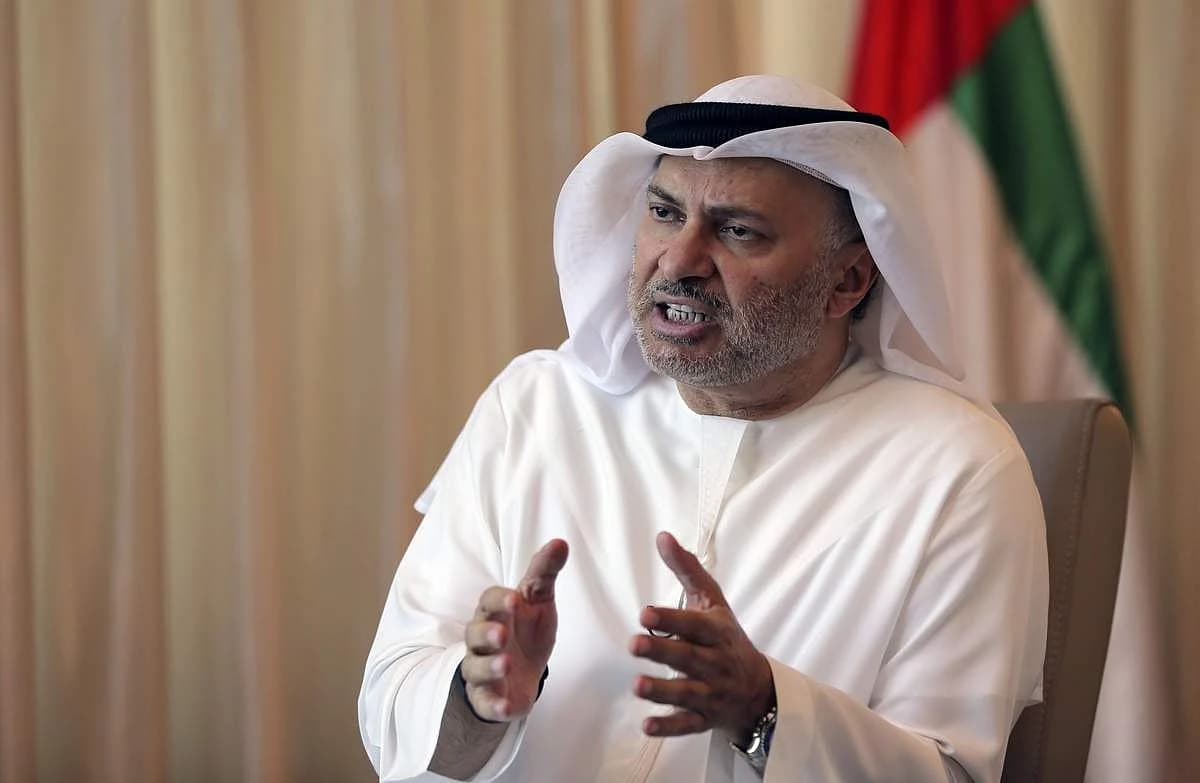
- Anwar Gargash, diplomatic adviser to the UAE President, accused Iran of treachery for attacking Gulf neighbors despite UAE's de-escalation efforts.
- Iran has launched over 2,700 projectiles targeting Gulf states amid the US-Israel-Iran war, leading to heightened regional tensions.
- UAE's response includes reinforcing air defenses and rallying Gulf Cooperation Council support for accountability on Iran's actions.
The context you actually need
- The US-Israel-Iran war began on February 28, 2026, with coordinated strikes on Iranian military sites, prompting Iran's retaliatory attacks on Gulf states.
- Gulf states, including the UAE, had previously advocated for de-escalation, emphasizing a mutual agreement for restraint in the region.
- UAE's air defenses intercepted 2,722 Iranian projectiles since the conflict began, indicating the scale of the threat and the intensity of the ongoing conflict.
What's really happening
The recent escalation in hostilities between Iran and Gulf states, particularly the UAE, stems from a complex web of historical grievances, geopolitical maneuvers, and security concerns. Following the initiation of the US-Israel-Iran war, Iran's aggressive military response has targeted not only US bases but also civilian infrastructure in Gulf states, raising alarms about regional stability. Anwar Gargash's statements reflect a broader sentiment among Gulf nations that Iran's actions are not merely retaliatory but indicative of a long-standing pattern of aggression that undermines regional security.
The UAE's diplomatic stance has been one of cautious engagement, advocating for dialogue and restraint. However, the recent attacks have forced a reevaluation of this approach. Gargash's characterization of Iran as a "treacherous regime" underscores a shift towards a more confrontational posture, as Gulf states rally to support the UAE's call for accountability and reparations. This collective response is crucial in a region where alliances are often fluid, and the balance of power is precarious.
The implications of these developments extend beyond immediate military concerns. The Gulf Cooperation Council (GCC) is likely to strengthen its collective defense mechanisms, potentially leading to increased military cooperation with the US and Israel. This could further entrench the divide between Iran and its neighbors, making diplomatic resolutions more challenging. Additionally, the disruption of maritime navigation in the Strait of Hormuz, a critical chokepoint for global oil shipments, has already led to surging oil prices, which could have cascading effects on global markets.
As the situation evolves, the UAE's commitment to defending its sovereignty while navigating complex international relations will be tested. The ongoing conflict may also exacerbate existing economic vulnerabilities, particularly for sectors reliant on stable energy prices and regional security. The UAE's strategic positioning as a business hub could be jeopardized if tensions escalate further, leading to potential shifts in investment patterns and economic forecasts.
Who feels it first (and how)
- Energy sector professionals: Increased oil prices and supply chain disruptions will directly impact operations and profitability.
- Business travelers and expatriates: Heightened security risks and potential evacuations could affect travel plans and living conditions.
- Investors in Gulf markets: Volatility in energy prices and geopolitical instability may lead to market fluctuations, impacting investment strategies.
What to watch next
- Oil price fluctuations: Watch for changes in oil prices, which could signal shifts in supply and demand dynamics due to the conflict.
- Regional military alliances: Monitor developments in military cooperation among Gulf states and their allies, particularly the US and Israel.
- Diplomatic negotiations: Keep an eye on any potential diplomatic initiatives aimed at de-escalation, which could alter the current trajectory of conflict.
Iran's missile and drone attacks on Gulf states are ongoing, with significant interceptions reported.
Gulf states will strengthen military alliances and defense strategies in response to Iranian aggression.
The long-term impact on global energy markets and regional stability remains uncertain as the situation evolves.
Frequently Asked Questions
- Why it matters?
- The ongoing conflict could disrupt global energy supplies and elevate oil prices, affecting economies worldwide.
- What happened (in 30 seconds)?
- Anwar Gargash, diplomatic adviser to the UAE President, accused Iran of treachery for attacking Gulf neighbors despite UAE's de-escalation efforts. Iran has launched over 2,700 projectiles targeting Gulf states amid the US-Israel-Iran war, leading to heightened regional tensions. UAE's response includes reinforcing air defenses and rallying Gulf Cooperation Council support for accountability on Iran's actions.
- What's really happening?
- The recent escalation in hostilities between Iran and Gulf states, particularly the UAE, stems from a complex web of historical grievances, geopolitical maneuvers, and security concerns. Following the initiation of the US-Israel-Iran war, Iran's aggressive military response has targeted not only US bases but also civilian infrastructure in Gulf states, raising alarms about regional stability. Anwar Gargash's statements reflect a broader sentiment among Gulf nations that Iran's actions are not me
- Who feels it first (and how)?
- Energy sector professionals: Increased oil prices and supply chain disruptions will directly impact operations and profitability. Business travelers and expatriates: Heightened security risks and potential evacuations could affect travel plans and living conditions. Investors in Gulf markets: Volatility in energy prices and geopolitical instability may lead to market fluctuations, impacting investment strategies.
- What to watch next?
- Oil price fluctuations: Watch for changes in oil prices, which could signal shifts in supply and demand dynamics due to the conflict. Regional military alliances: Monitor developments in military cooperation among Gulf states and their allies, particularly the US and Israel. Diplomatic negotiations: Keep an eye on any potential diplomatic initiatives aimed at de-escalation, which could alter the current trajectory of conflict.
Breaking news and analysis from the UAE and Gulf region.
"Khaleej Times is a long-running UAE publication with broad regional coverage."
— A47 Editor
UAE’s Gargash: Iran attacked Gulf neighbours despite efforts to avoid war
Dr. Anwar Gargash, a senior UAE diplomat, stated that Iran has attacked Gulf neighbors despite ongoing efforts to prevent war, highlighting the escalating military tensions in the region. The UAE has faced multiple missile and drone threats from Iran...
UAE-based English-language newspaper covering regional politics, economics, and global affairs.
"The National reflects Emirati policy perspectives while maintaining international editorial standards."
— A47 Editor
Iran war latest: US and Tehran agree to conditional ceasefire
The United States and Iran have reached a conditional ceasefire agreement amid escalating tensions in the region, following a series of threats and military posturing from both sides. This development comes after Iran rejected a U.S. ultimatum regard...