
Modi and Trump Discuss Strait of Hormuz Security Amid West Asia Tensions
Here's what it means for you.
Your energy costs and global trade stability hinge on the security of a critical maritime chokepoint.
Why it matters
The Strait of Hormuz is vital for global oil transit, with disruptions affecting energy prices and economic stability worldwide.
What happened (in 30 seconds)
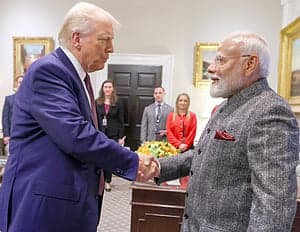
- On April 14, 2026, Prime Minister Modi and President Trump held a 40-minute phone call emphasizing the need to secure the Strait of Hormuz.
- The conversation followed a recent US-Iran ceasefire and highlighted significant disruptions to global oil supplies, which plummeted from 20 million barrels per day.
- Both leaders reaffirmed their commitment to strengthening bilateral ties and ensuring freedom of navigation in the region.
The context you actually need
- The Strait of Hormuz is a critical chokepoint for global oil, with around 20 million barrels per day transiting, representing approximately 25% of global consumption.
- Recent tensions in West Asia, including a US-imposed blockade, have led to severe disruptions in oil flows, impacting energy security and prices globally.
- India's strategic positioning as a key partner for the US has been reinforced, with discussions around defense cooperation and a Major Defence Partnership framework.
What's really happening
The April 14 phone call between Prime Minister Modi and President Trump underscores a pivotal moment in international relations, particularly concerning energy security and geopolitical stability in West Asia. The Strait of Hormuz, a narrow passage that connects the Persian Gulf to the Arabian Sea, is crucial for global oil transportation. Approximately 20 million barrels of oil and petroleum products transit this strait daily, making it a vital artery for the world’s energy supply.
Recent events, including a US-Iran ceasefire, have heightened the urgency of securing this passage. The US-imposed blockade had already caused oil flows to plummet, leading to significant price surges globally, with forecasts suggesting prices could exceed $100 per barrel. This situation has created a ripple effect, impacting not only energy markets but also broader economic conditions, particularly in regions heavily reliant on oil imports.
The conversation between Modi and Trump reflects a strategic alignment aimed at mitigating these disruptions. Both leaders are aware that maintaining open and secure navigation through the Strait is essential for global commerce and energy security. The commitment to a Comprehensive Global Strategic Partnership indicates a long-term vision for collaboration, particularly in defense and energy sectors.
Moreover, the implications of this call extend beyond immediate diplomatic relations. The UAE, which plays a significant role in the region, has expressed its willingness to contribute militarily to secure the strait, indicating a potential escalation in military involvement in the area. This could lead to increased tensions and further disruptions in oil supply chains, affecting global markets and consumer prices.
As the situation evolves, the interconnectedness of global energy markets means that any instability in the Strait of Hormuz will have far-reaching consequences, impacting everything from fuel prices at the pump to the cost of goods and services worldwide. The focus on securing this vital passage is not just about immediate energy needs; it is about ensuring long-term economic stability in a highly interconnected global economy.
Who feels it first (and how)
- Consumers: Higher fuel and grocery prices due to increased energy costs.
- Tourism Sector: Declines in visitor numbers and air traffic as travel becomes more expensive.
- Real Estate Investors: Potential pullback in investments and property value pressures amid economic strains.
- Energy Companies: Fluctuations in oil prices affecting profitability and operational costs.
- Global Trade Networks: Disruptions leading to delays and increased costs in shipping and logistics.
What to watch next
- Oil Price Trends: Monitor fluctuations in oil prices, particularly if they exceed $100 per barrel, as this will impact global inflation and consumer spending.
- Military Developments: Watch for any military deployments or actions by the UAE or other nations in the region, which could escalate tensions further.
- Bilateral Agreements: Keep an eye on new agreements or partnerships emerging from the US-India dialogue, particularly in defense and energy sectors.
The Strait of Hormuz is critical for global oil transit, with significant economic implications for disruptions.
Continued diplomatic efforts between the US and India to secure the Strait and stabilize energy markets.
The potential for military escalation in the region and its impact on global oil supply chains.
Frequently Asked Questions
- Why it matters?
- The Strait of Hormuz is vital for global oil transit, with disruptions affecting energy prices and economic stability worldwide.
- What happened (in 30 seconds)?
- On April 14, 2026, Prime Minister Modi and President Trump held a 40-minute phone call emphasizing the need to secure the Strait of Hormuz. The conversation followed a recent US-Iran ceasefire and highlighted significant disruptions to global oil supplies, which plummeted from 20 million barrels per day. Both leaders reaffirmed their commitment to strengthening bilateral ties and ensuring freedom of navigation in the region.
- What's really happening?
- The April 14 phone call between Prime Minister Modi and President Trump underscores a pivotal moment in international relations, particularly concerning energy security and geopolitical stability in West Asia. The Strait of Hormuz, a narrow passage that connects the Persian Gulf to the Arabian Sea, is crucial for global oil transportation. Approximately 20 million barrels of oil and petroleum products transit this strait daily, making it a vital artery for the world’s energy supply. Recent eve
- Who feels it first (and how)?
- Consumers: Higher fuel and grocery prices due to increased energy costs. Tourism Sector: Declines in visitor numbers and air traffic as travel becomes more expensive. Real Estate Investors: Potential pullback in investments and property value pressures amid economic strains. Energy Companies: Fluctuations in oil prices affecting profitability and operational costs. Global Trade Networks: Disruptions leading to delays and increased costs in shipping and logistics.
- What to watch next?
- Oil Price Trends: Monitor fluctuations in oil prices, particularly if they exceed $100 per barrel, as this will impact global inflation and consumer spending. Military Developments: Watch for any military deployments or actions by the UAE or other nations in the region, which could escalate tensions further. Bilateral Agreements: Keep an eye on new agreements or partnerships emerging from the US-India dialogue, particularly in defense and energy sectors.
Pan-Arab news coverage spanning politics, business, sports, and regional affairs.
"Asharq Al-Awsat reflects a broad Arab editorial perspective with strong attention to regional geopolitics."
— A47 Editor
ترمب ومودي يؤكدان ضرورة إبقاء مضيق هرمز مفتوحاً
Indian Prime Minister Narendra Modi and U.S. President Donald Trump emphasized the importance of keeping the Strait of Hormuz open and secure during a phone call on Tuesday. This discussion highlights ongoing international concerns regarding maritime...
Arabic-language UAE newspaper coverage focused on domestic affairs, public institutions, business, society, and regional developments.
"Al Khaleej coverage generally reflects a mainstream UAE editorial lens with strong attention to public affairs, institutions, and regional developments."
— A47 Editor
ترامب ومودي يؤكدان ضرورة إبقاء مضيق هرمز مفتوحاً
Indian Prime Minister Narendra Modi and U.S. President Donald Trump emphasized the importance of keeping the Strait of Hormuz open during a phone call on Tuesday. This discussion highlights ongoing concerns regarding maritime security in a region cri...
UAE-based newspaper covering Gulf politics, society, and international developments.
"Gulf News is one of the UAE’s most prominent English-language publications."
— A47 Editor
In call with Trump, PM Modi stresses on keeping Strait of Hormuz 'open and secure'
In a recent call, Indian Prime Minister Narendra Modi emphasized the importance of keeping the Strait of Hormuz open and secure during discussions with U.S. President Donald Trump. This conversation comes amid heightened tensions in the region, parti...
A curated Gulf News feed featuring major stories across news, business, opinion, and lifestyle.
"Gulf News is a major UAE newspaper whose featured stories feed reflects a broad editorial mix shaped for a Gulf audience."
— A47 Editor
In call with Trump, PM Modi stresses on keeping Strait of Hormuz 'open and secure'
In a recent call, Indian Prime Minister Narendra Modi emphasized the importance of keeping the Strait of Hormuz open and secure during discussions with U.S. President Donald Trump. This conversation comes amid heightened tensions in the region, parti...