
Trump Criticizes NATO for Lack of Support in Iran Conflict
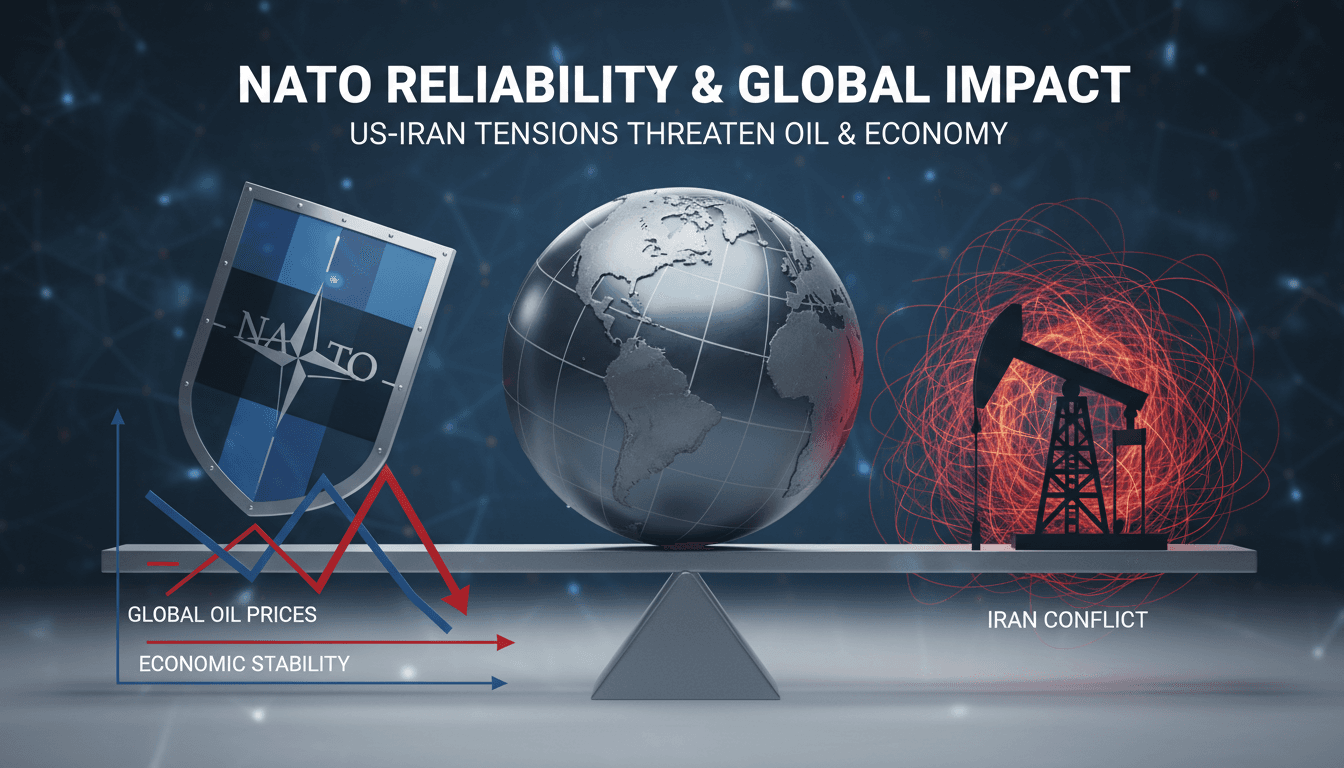
Here's what it means for you.
The ongoing tensions between the U.S. and NATO could impact global energy prices and economic stability, affecting businesses and consumers alike.
Why it matters
This diplomatic friction may lead to shifts in military alliances and energy market volatility, which can directly influence your economic environment.
What happened (in 30 seconds)
- Trump criticized NATO for not supporting U.S. efforts in the Iran conflict during a Truth Social post.
- NATO Secretary-General Rutte acknowledged Trump's disappointment but defended the alliance's contributions.
- Discussions of a U.S. withdrawal from NATO are underway, raising concerns about future military cooperation.
The context you actually need
- The U.S.-Iran war escalated following U.S. strikes on Iranian targets, increasing tensions in the strategically vital Strait of Hormuz.
- European NATO allies rejected Trump's calls for naval assistance, which he claims undermines collective security.
- Ceasefire negotiations are ongoing, but they exclude Lebanon, complicating the regional geopolitical landscape.
What's really happening
The recent rebuke from President Trump towards NATO stems from a complex interplay of military strategy, geopolitical alliances, and economic interests. The U.S. has been embroiled in a conflict with Iran, which began with targeted strikes on Iranian military installations. This escalation has heightened tensions in the Strait of Hormuz, a critical chokepoint for global oil shipments. Trump's frustration is not merely about military support; it reflects a broader concern regarding the reliability of NATO allies in times of crisis.
Trump's public statements, including his Truth Social post, highlight a perceived failure of NATO to support U.S. military operations effectively. He referenced historical grievances, such as the Greenland issue, to underscore his belief that NATO members are not shouldering their fair share of the burden. This narrative is particularly resonant in the context of the ongoing Iran conflict, where U.S. forces are actively engaged, and the stakes are high.
The White House, through Press Secretary Karoline Leavitt, has framed NATO's lack of support as a significant failure, suggesting that the alliance has turned its back on the U.S. This rhetoric is likely to resonate with Trump's base and could influence public opinion regarding NATO's role in global security. However, NATO Secretary-General Rutte defended the alliance, stating that many member countries have provided support through logistics and overflights, even if naval assistance was not forthcoming.
The implications of this rift are profound. If the U.S. were to withdraw from NATO, it could lead to a realignment of military alliances and a reduction in collective defense capabilities. This scenario raises questions about the future of transatlantic security and the ability of NATO to respond to emerging threats. Additionally, the ongoing uncertainty in the region is contributing to oil price volatility, which can have cascading effects on global markets and local economies.
Furthermore, the geopolitical landscape is complicated by ongoing ceasefire negotiations that exclude key players like Lebanon, which could lead to further instability in the region. As the U.S. navigates these turbulent waters, the interplay between military strategy and economic interests will be crucial in determining the outcomes of both the Iran conflict and NATO's future.
Who feels it first (and how)
- Energy sector professionals: Fluctuations in oil prices due to regional instability could impact profitability and operational costs.
- Government officials: Diplomatic relations and military readiness may shift, affecting national security policies.
- Consumers: Rising energy prices could lead to increased costs for goods and services, impacting household budgets.
What to watch next
- U.S. withdrawal discussions: Monitor any official announcements regarding U.S. NATO membership, as this could reshape global military alliances.
- Oil price trends: Keep an eye on fluctuations in oil prices, which may signal broader economic impacts stemming from geopolitical tensions.
- Ceasefire negotiations: Watch for developments in ceasefire talks, particularly regarding Lebanon's involvement, as this could influence regional stability.
Trump's dissatisfaction with NATO is publicly expressed and acknowledged by NATO leadership.
Continued discussions about U.S. withdrawal from NATO may intensify, influencing military strategy.
The long-term impacts on global energy markets and economic stability remain uncertain as the situation evolves.
Frequently Asked Questions
- Why it matters?
- This diplomatic friction may lead to shifts in military alliances and energy market volatility, which can directly influence your economic environment.
- What happened (in 30 seconds)?
- Trump criticized NATO for not supporting U.S. efforts in the Iran conflict during a Truth Social post. NATO Secretary-General Rutte acknowledged Trump's disappointment but defended the alliance's contributions. Discussions of a U.S. withdrawal from NATO are underway, raising concerns about future military cooperation.
- What's really happening?
- The recent rebuke from President Trump towards NATO stems from a complex interplay of military strategy, geopolitical alliances, and economic interests. The U.S. has been embroiled in a conflict with Iran, which began with targeted strikes on Iranian military installations. This escalation has heightened tensions in the Strait of Hormuz, a critical chokepoint for global oil shipments. Trump's frustration is not merely about military support; it reflects a broader concern regarding the reliabilit
- Who feels it first (and how)?
- Energy sector professionals: Fluctuations in oil prices due to regional instability could impact profitability and operational costs. Government officials: Diplomatic relations and military readiness may shift, affecting national security policies. Consumers: Rising energy prices could lead to increased costs for goods and services, impacting household budgets.
- What to watch next?
- U.S. withdrawal discussions: Monitor any official announcements regarding U.S. NATO membership, as this could reshape global military alliances. Oil price trends: Keep an eye on fluctuations in oil prices, which may signal broader economic impacts stemming from geopolitical tensions. Ceasefire negotiations: Watch for developments in ceasefire talks, particularly regarding Lebanon's involvement, as this could influence regional stability.
International coverage from The Guardian's global desks.
"The Guardian is known for its progressive editorial stance and in-depth analysis."
— A47 Editor
Trump vents frustation with Nato – as it happened
A provisional two-week ceasefire has been agreed upon between the United States and Iran, allowing for the reopening of the strategically vital Strait of Hormuz. This agreement follows escalating tensions and threats from President Donald Trump, who ...
Insights and news on social issues, policy, and political movements across the United States.
"The Wall Street Journal is known for its deep political coverage, especially at the intersection of policy, regulation, and social dynamics."
— A47 Editor
President Trump’s declaration of “total victory” in Iran left some close allies and several senior aides worried that he’s overstating what is a fragile cease-fire with Tehran
President Trump declared a 'total victory' in Iran, raising concerns among allies and senior aides about the stability of a fragile cease-fire with Tehran, particularly due to Iran's reluctance to fully reopen the strategically vital Strait of Hormuz...
Global political, business, and cultural coverage from WSJ international desks.
"The Wall Street Journal offers extensive international reporting with a reputation for financial insight and a center-right editorial stance."
— A47 Editor
Trump Allies, U.S. Officials Fear Iran Victory Lap Is Premature
President Trump declared a 'total victory' in Iran, raising concerns among allies and senior aides about the stability of a fragile cease-fire with Tehran, particularly due to Iran's reluctance to fully reopen the strategically vital Strait of Hormuz...