
Israeli Airstrikes in Lebanon Kill 254 Amid US-Iran Ceasefire Tensions
Here's what it means for you.
If you're in Dubai, anticipate economic fluctuations tied to oil prices and regional stability.
Why it matters
This crisis threatens to destabilize oil markets and regional trade, impacting global supply chains.
What happened (in 30 seconds)
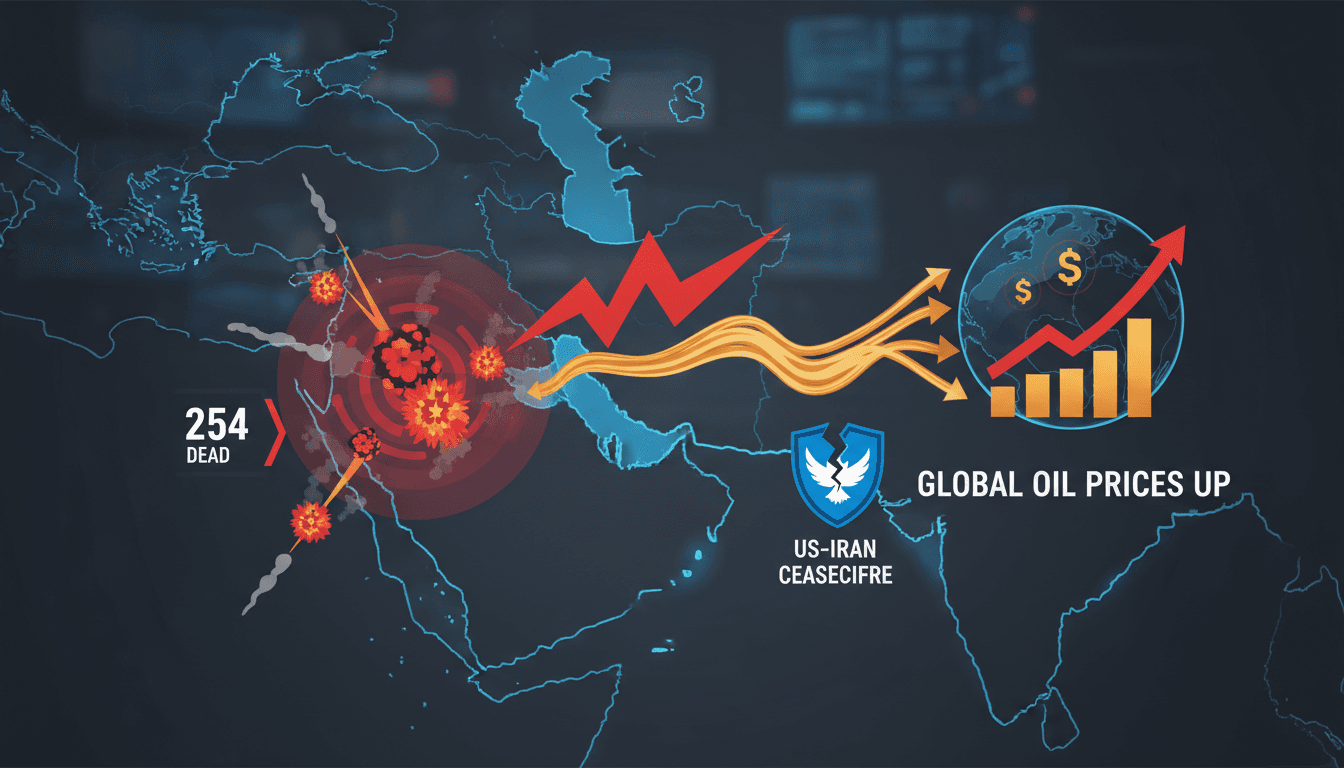
- On April 8, 2026, Israel conducted airstrikes in Lebanon, killing at least 254 people, just hours after a US-brokered ceasefire with Iran took effect.
- US officials, including President Trump, clarified that the ceasefire did not extend to Lebanon, leading to Iranian threats of retaliation.
- Global oil prices reacted sharply, with Brent crude prices fluctuating due to fears of supply disruptions from the Strait of Hormuz.
The context you actually need
- The crisis escalated from a US-Israeli military campaign against Iran that began in early March 2026, leading to significant global oil supply disruptions.
- The ceasefire, announced on April 7–8, aimed to address the closure of the Strait of Hormuz but excluded Lebanon, where Israel continued military operations against Hezbollah.
- International leaders have called for an expansion of the ceasefire to include Lebanon, highlighting the potential for broader conflict in the region.
What's really happening
The recent airstrikes by Israel on Lebanon mark a significant escalation in a complex geopolitical landscape defined by longstanding tensions between Israel, Iran, and Hezbollah. The backdrop of this crisis is rooted in a US-Israeli military campaign against Iran that began in early March 2026, which has already led to the closure of the Strait of Hormuz, a vital artery for global oil transport. The closure has caused oil prices to surge, exceeding $100 per barrel for Brent crude, and has raised alarms about the stability of global energy supplies.
The ceasefire brokered by the US was intended to provide a temporary reprieve from hostilities, focusing on reopening the Strait of Hormuz. However, the explicit exclusion of Lebanon from this agreement allowed Israel to continue its military operations against Hezbollah, which it views as an ongoing threat. The airstrikes that followed the ceasefire announcement resulted in significant civilian casualties, further complicating the humanitarian situation in Lebanon and drawing international condemnation.
The US administration, led by President Trump, has taken a hardline stance, emphasizing that the ceasefire does not apply to Lebanon. This has heightened tensions, with Iran threatening retaliation and warning of potential disruptions to shipping in the Strait of Hormuz. The geopolitical stakes are high, as any escalation could lead to broader conflict involving multiple regional players, including the United States, Iran, and various allied and opposing factions.
The immediate aftermath of the airstrikes has seen a volatile reaction in global markets, particularly in oil prices, which saw a sharp decline followed by a rebound. This fluctuation reflects the uncertainty surrounding the ongoing conflict and its potential impact on oil supply. The situation is further complicated by the limited number of vessels able to transit the Strait of Hormuz, with only 11 vessels reported to have passed through recently, underscoring the disruptions caused by the crisis.
As international leaders call for a broader ceasefire that includes Lebanon, the potential for escalation remains high. The humanitarian implications are dire, with civilian casualties prompting outrage from organizations like the UN and the Red Cross. The crisis not only threatens regional stability but also poses significant risks to global economic conditions, particularly for countries reliant on oil imports.
Who feels it first (and how)
- Oil traders: Fluctuations in oil prices directly impact trading strategies and profit margins.
- Logistics companies: Disruptions in the Strait of Hormuz affect shipping routes and costs.
- Middle Eastern residents: Increased tensions and military actions can lead to instability and humanitarian crises.
- Investors: Market volatility may affect investment strategies and risk assessments in the region.
What to watch next
- Oil price trends: Monitor fluctuations in Brent and WTI prices, as they will indicate market reactions to ongoing conflicts.
- Ceasefire negotiations: Watch for developments in diplomatic efforts to expand the ceasefire to include Lebanon, which could stabilize the region.
- Military movements: Keep an eye on troop deployments and military operations by Israel and Iran, as these will signal potential escalations or de-escalations.
Israeli airstrikes have resulted in significant civilian casualties in Lebanon.
Continued volatility in oil prices and potential disruptions in the Strait of Hormuz.
The long-term implications of the ceasefire and whether it will lead to a broader peace agreement or further conflict.
Frequently Asked Questions
- Why it matters?
- This crisis threatens to destabilize oil markets and regional trade, impacting global supply chains.
- What happened (in 30 seconds)?
- On April 8, 2026, Israel conducted airstrikes in Lebanon, killing at least 254 people, just hours after a US-brokered ceasefire with Iran took effect. US officials, including President Trump, clarified that the ceasefire did not extend to Lebanon, leading to Iranian threats of retaliation. Global oil prices reacted sharply, with Brent crude prices fluctuating due to fears of supply disruptions from the Strait of Hormuz.
- What's really happening?
- The recent airstrikes by Israel on Lebanon mark a significant escalation in a complex geopolitical landscape defined by longstanding tensions between Israel, Iran, and Hezbollah. The backdrop of this crisis is rooted in a US-Israeli military campaign against Iran that began in early March 2026, which has already led to the closure of the Strait of Hormuz, a vital artery for global oil transport. The closure has caused oil prices to surge, exceeding $100 per barrel for Brent crude, and has raised
- Who feels it first (and how)?
- Oil traders: Fluctuations in oil prices directly impact trading strategies and profit margins. Logistics companies: Disruptions in the Strait of Hormuz affect shipping routes and costs. Middle Eastern residents: Increased tensions and military actions can lead to instability and humanitarian crises. Investors: Market volatility may affect investment strategies and risk assessments in the region.
- What to watch next?
- Oil price trends: Monitor fluctuations in Brent and WTI prices, as they will indicate market reactions to ongoing conflicts. Ceasefire negotiations: Watch for developments in diplomatic efforts to expand the ceasefire to include Lebanon, which could stabilize the region. Military movements: Keep an eye on troop deployments and military operations by Israel and Iran, as these will signal potential escalations or de-escalations.
International coverage from The Guardian's global desks.
"The Guardian is known for its progressive editorial stance and in-depth analysis."
— A47 Editor
Hezbollah launches rockets at Israel – as it happened
Hezbollah has launched rockets at Israel amid escalating tensions in the Middle East, coinciding with ongoing Israeli airstrikes in Lebanon that have resulted in significant casualties. British Foreign Secretary Yvette Cooper emphasized the need to i...
Regional and international reporting focused on Middle Eastern politics, diplomacy, and economics.
"Asharq Al-Awsat is a Saudi-owned international newspaper reflecting mainstream Gulf political perspectives."
— A47 Editor
US-Iran Truce Shows Cracks as War Flares in Lebanon
The fragile truce between the United States and Iran is showing signs of strain as military operations intensify in Lebanon, particularly with Israel's rejection of a ceasefire with Hezbollah. This escalation follows high-level talks in Islamabad tha...