
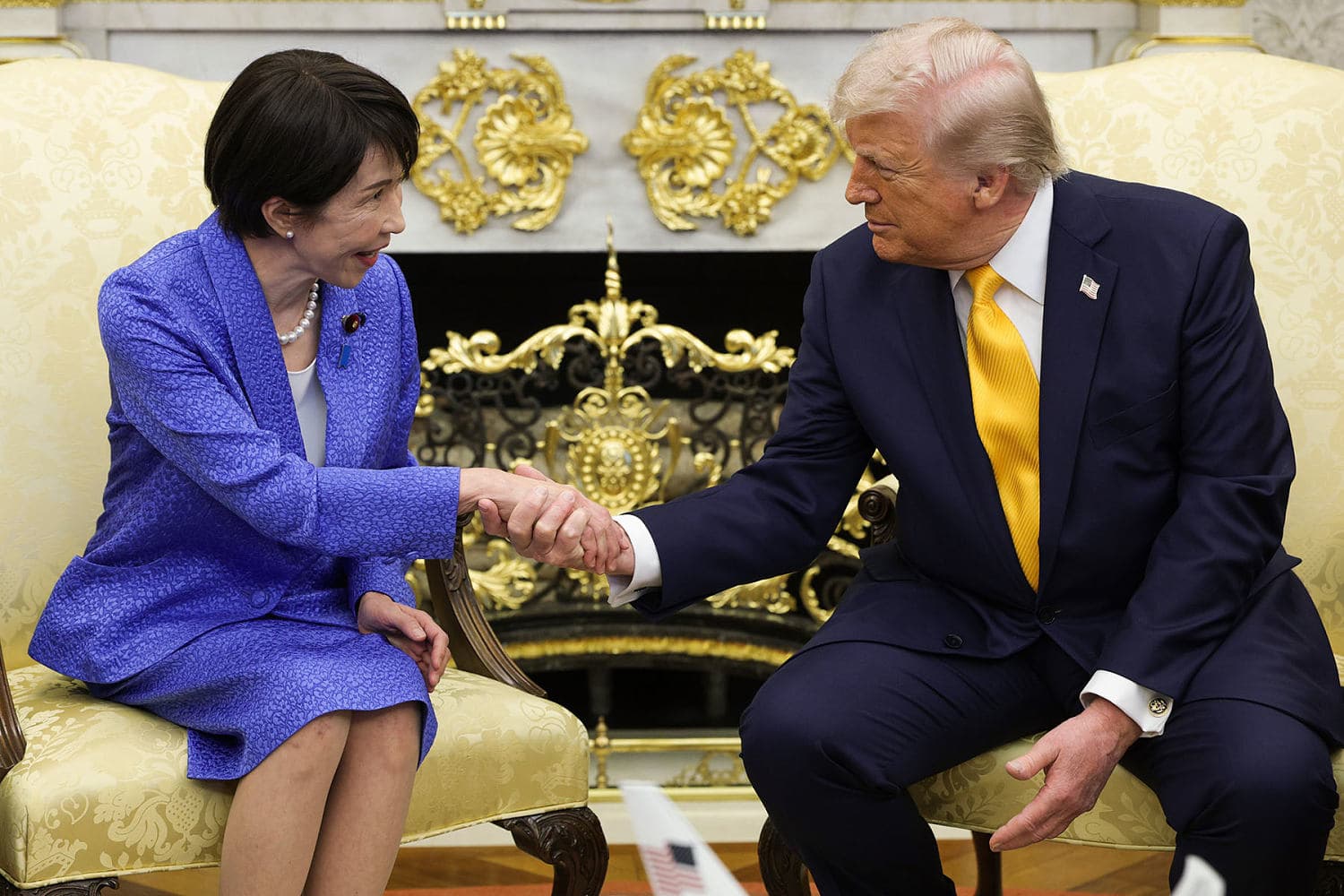
Japanese Prime Minister Takaichi Meets Trump to Discuss Strait of Hormuz Security
Here's what it means for you.
The ongoing tensions in the Strait of Hormuz could lead to increased energy costs and supply chain disruptions affecting your daily expenses.
Why it matters
The closure of the Strait of Hormuz, a critical artery for global oil transport, threatens economic stability and energy security worldwide.
What happened (in 30 seconds)
- On March 19, 2026, Japanese Prime Minister Sanae Takaichi met U.S. President Donald Trump amid demands for Japan's support in securing the Strait of Hormuz.
- The Strait of Hormuz, which handles approximately 20% of global seaborne oil trade, was closed by Iran following U.S.-Israeli military actions on February 28, 2026.
- Japan pledged indirect support without deploying naval vessels, committing to energy stabilization efforts as oil prices spiked above $100 per barrel.
The context you actually need
- The U.S.-Israeli strikes on Iran initiated a significant geopolitical crisis, leading to Iran's retaliatory actions that disrupted global energy supplies.
- Japan relies heavily on Middle Eastern oil, sourcing nearly all its crude from the region, making it vulnerable to price fluctuations and supply disruptions.
- Japan's pacifist constitution limits its military actions, complicating its ability to respond directly to U.S. demands while maintaining its security alliance.
What's really happening
The meeting between Prime Minister Takaichi and President Trump underscores the delicate balance Japan must maintain between its pacifist principles and the pressures of international alliances. The U.S.-Israeli strikes on Iran have escalated tensions in the region, prompting Iran to close the Strait of Hormuz, a vital passage for global oil trade. This closure has immediate ramifications, as approximately 20% of the world's seaborne oil flows through this chokepoint. The disruption has already caused oil prices to soar above $100 per barrel, impacting economies that heavily depend on oil imports, including Japan.
In response to the crisis, Japan has taken steps to mitigate the impact on its economy. On March 16, Japan released 80 million barrels from its strategic reserves to buffer against supply shortages. However, Takaichi's government faces significant public opposition to any military involvement, which limits Japan's options for direct action. The meeting in Washington was characterized by Trump's urgent calls for Japan to "step up," reflecting the U.S. desire for a multinational coalition to secure the Strait.
Japan's commitment to non-military support, such as energy stabilization efforts, indicates a strategic pivot towards indirect involvement. This could include logistical support or humanitarian assistance rather than direct military engagement. The implications of this summit extend beyond Japan and the U.S.; they resonate throughout global markets, particularly in the energy sector, where volatility is expected to persist as long as the Strait remains closed.
The geopolitical landscape is further complicated by Japan's security alliance with the U.S., which includes hosting 50,000 American troops. This alliance is crucial for countering threats from regional actors like China and North Korea. As Japan navigates this complex terrain, it must balance its historical pacifism with the realities of modern geopolitical pressures.
Who feels it first (and how)
- Consumers in Japan: Higher oil prices will lead to increased costs for fuel and goods.
- Energy sector companies: Oil and gas companies will experience volatility in prices, affecting profitability and investment strategies.
- Airlines and travel sectors: Increased fuel costs may lead to higher ticket prices and reduced travel demand.
- Residents of Dubai: The UAE has already seen a decline in crude output and rising costs, impacting daily life and economic stability.
What to watch next
- Oil price fluctuations: Watch for changes in Brent crude prices, as sustained high prices could lead to inflationary pressures globally.
- Japan's energy policy shifts: Monitor any announcements regarding Japan's energy strategy, especially regarding its strategic reserves and potential military support.
- Geopolitical developments in the Middle East: Keep an eye on Iran's actions and U.S. responses, as these will significantly influence global energy markets.
The Strait of Hormuz is critical for global oil trade, and its closure has immediate economic impacts.
Oil prices will remain volatile as geopolitical tensions persist, affecting global markets.
The long-term implications of Japan's non-military support on its alliance with the U.S. and regional security dynamics.
Frequently Asked Questions
- Why it matters?
- The closure of the Strait of Hormuz, a critical artery for global oil transport, threatens economic stability and energy security worldwide.
- What happened (in 30 seconds)?
- On March 19, 2026, Japanese Prime Minister Sanae Takaichi met U.S. President Donald Trump amid demands for Japan's support in securing the Strait of Hormuz. The Strait of Hormuz, which handles approximately 20% of global seaborne oil trade, was closed by Iran following U.S.-Israeli military actions on February 28, 2026. Japan pledged indirect support without deploying naval vessels, committing to energy stabilization efforts as oil prices spiked above $100 per barrel.
- What's really happening?
- The meeting between Prime Minister Takaichi and President Trump underscores the delicate balance Japan must maintain between its pacifist principles and the pressures of international alliances. The U.S.-Israeli strikes on Iran have escalated tensions in the region, prompting Iran to close the Strait of Hormuz, a vital passage for global oil trade. This closure has immediate ramifications, as approximately 20% of the world's seaborne oil flows through this chokepoint. The disruption has already
- Who feels it first (and how)?
- Consumers in Japan: Higher oil prices will lead to increased costs for fuel and goods. Energy sector companies: Oil and gas companies will experience volatility in prices, affecting profitability and investment strategies. Airlines and travel sectors: Increased fuel costs may lead to higher ticket prices and reduced travel demand. Residents of Dubai: The UAE has already seen a decline in crude output and rising costs, impacting daily life and economic stability.
- What to watch next?
- Oil price fluctuations: Watch for changes in Brent crude prices, as sustained high prices could lead to inflationary pressures globally. Japan's energy policy shifts: Monitor any announcements regarding Japan's energy strategy, especially regarding its strategic reserves and potential military support. Geopolitical developments in the Middle East: Keep an eye on Iran's actions and U.S. responses, as these will significantly influence global energy markets.
Capitol Hill news, legislation, and policy insight.
"The Hill specializes in U.S. politics and policy, with a focus on Capitol Hill developments and a reputation for insider reporting."
— A47 Editor
Watch live: Trump hosts White House dinner with Japanese PM Sanae Takaichi
President Donald Trump hosted Japanese Prime Minister Sanae Takaichi for a White House dinner following a bilateral meeting where Trump made a controversial remark about Japan's historical attack on Pearl Harbor. This event marks a significant diplom...
Comprehensive coverage of global events, politics, and international issues.
"NBC News is a mainstream outlet known for comprehensive national and international coverage with a centrist to slightly left-leaning editorial tone."
— A47 Editor
Japanese leader faces a difficult meeting with Trump as he presses for help with Iran
Japanese leader Sanae Takaichi is set to meet with U.S. President Donald Trump to seek assistance regarding Iran, amidst rising tensions in the Middle East. This meeting comes at a time when Trump has expressed frustration with allies, particularly o...
Policy, elections, and government reporting.
"NPR is an American public media organization known for thoughtful reporting and a slightly left-leaning editorial tone."
— A47 Editor
Japan's prime minister visits the White House under shadow of Iran war
Japan's Prime Minister Sanae Takaichi visited the White House, marking the first visit by a U.S. ally since President Trump requested assistance in patrolling the Strait of Hormuz amid escalating tensions with Iran. This visit comes as Japan faces ch...
International stories from NPR’s global desk.
"NPR is an American public media organization known for thoughtful reporting and a slightly left-leaning editorial tone."
— A47 Editor
Japan's prime minister visits the White House under shadow of Iran war
Japan's Prime Minister Sanae Takaichi visited the White House, marking the first visit by a U.S. ally since President Trump requested assistance in patrolling the Strait of Hormuz amid escalating tensions with Iran. This visit comes as Japan faces ch...
International stories from NPR’s global desk.
"NPR is an American public media organization known for thoughtful reporting and a slightly left-leaning editorial tone."
— A47 Editor
Japan's PM to visit Trump as president continues pleas for help with Strait of Hormuz
Japan's Prime Minister Sanae Takaichi is set to visit the White House, marking her first official meeting with President Donald Trump, who has been urging allies, including Japan, to send warships to the Strait of Hormuz amid rising tensions with Ira...
Major U.S. developments and regional news.
"ABC News delivers broad national coverage with a mainstream editorial stance, focusing on accessibility and balanced reporting."
— A47 Editor
Japan's Prime Minister Takaichi meets with Trump as he seeks help securing the Strait of Hormuz
Japanese Prime Minister Sanae Takaichi met with President Donald Trump at the White House, seeking assistance in securing the Strait of Hormuz amid rising tensions with Iran that threaten shipping routes crucial for Japan's oil supply. This meeting c...
Global markets, investing, and macroeconomics from a premier financial newsroom.
"Bloomberg is respected for in-depth financial reporting and data-driven analysis."
— A47 Editor
Japan Stock Traders’ Guide to Navigating Takaichi-Trump Summit
Japan's equity investors are closely monitoring the upcoming meeting between Prime Minister Sanae Takaichi and former President Donald Trump in Washington, where discussions on economic and military cooperation are expected to take place.