
Iran Limits Vessel Transits to 15 Per Day in Strait of Hormuz Under US Ceasefire Agreement
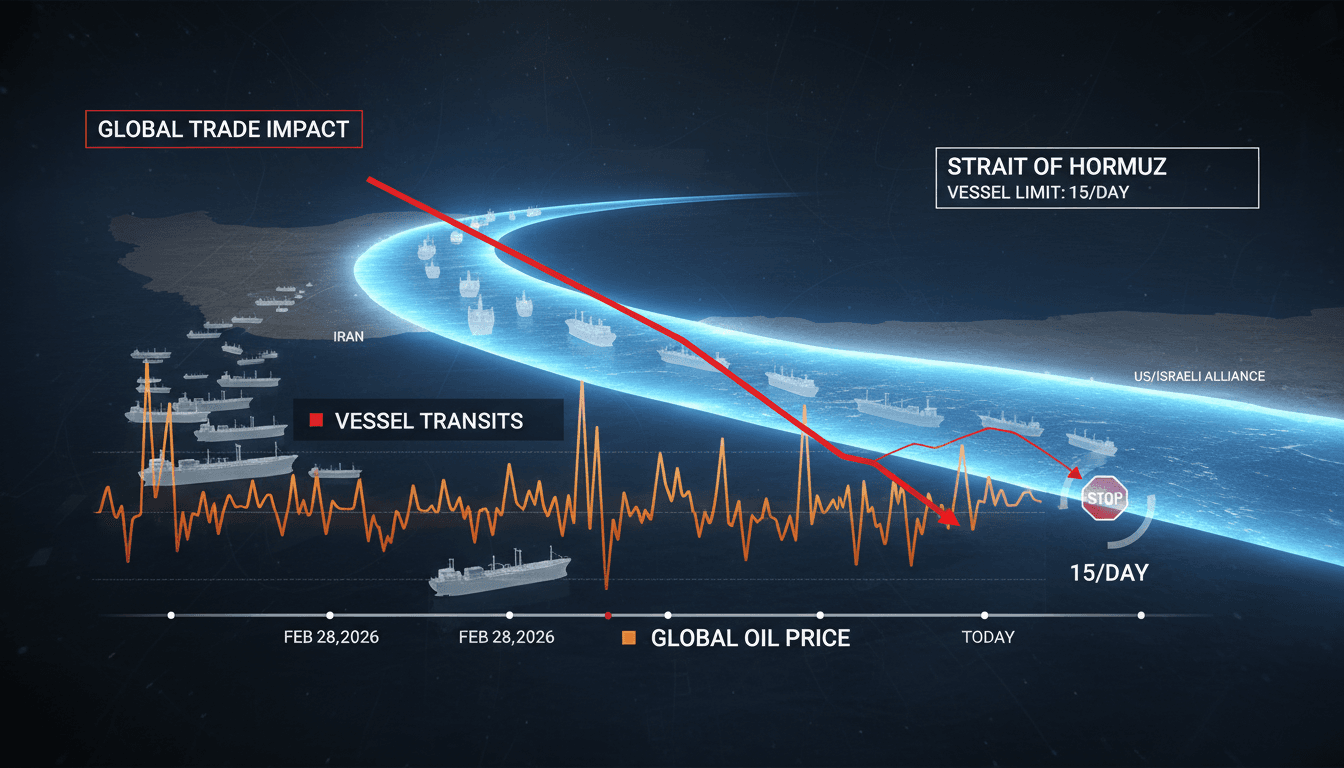
Here's what it means for you.
If you rely on global oil markets or shipping routes, this restriction could impact prices and availability in your region.
Why it matters
This maritime traffic restriction directly affects global oil supply chains, influencing energy prices and economic stability worldwide.
What happened (in 30 seconds)
- Iran announced a limit of 15 vessels per day transiting the Strait of Hormuz as part of a ceasefire with the United States.
- Daily vessel traffic has plummeted from pre-war averages of 130 to near zero since the onset of military actions on February 28, 2026.
- Global oil prices initially dipped below $100 per barrel but are now under pressure to rise due to the new restrictions.
The context you actually need
- The Strait of Hormuz is a critical chokepoint for global oil, with approximately 20% of the world's oil transiting through it.
- Before the conflict, daily vessel traffic averaged between 129 and 138 ships, highlighting the stark contrast to current restrictions.
- The US-Israeli military campaign against Iran has escalated tensions in the region, leading to significant disruptions in maritime traffic and global energy supplies.
What's really happening
The announcement from Iran to limit vessel transits through the Strait of Hormuz to a maximum of 15 per day is a strategic maneuver in the context of ongoing military hostilities with the United States and Israel. Since the initiation of airstrikes on February 28, 2026, Iranian authorities have imposed strict controls on maritime traffic, which has seen a dramatic decline in vessel movements. Prior to the conflict, the Strait was bustling with an average of 130 vessels daily, a figure that has now dwindled to near-zero levels due to threats and military actions.
The ceasefire agreement, although temporary, allows for limited transits, which are primarily non-Western flagged vessels. This reflects Iran's attempt to manage its maritime operations while navigating the complexities of international relations and economic pressures. The announcement of the 15-vessel cap signifies Iran's leverage in the geopolitical landscape, as it controls a vital artery for global oil transport.
The implications of this restriction extend beyond immediate maritime traffic; they resonate through global oil markets. As the cap is enforced, shipping operators are exercising caution, requiring Iranian approvals for passage, which adds layers of uncertainty to logistics and supply chains. The initial dip in oil prices following the ceasefire reports has been countered by the realization that the 15-vessel limit could exacerbate supply constraints, leading to upward pressure on prices.
Furthermore, the UAE has already felt the impact, with fuel prices in Dubai rising by 33% in April 2026 due to the disruptions in the Strait of Hormuz. This increase in transportation and living costs for residents underscores the broader economic ramifications of the maritime restrictions. As alternative supply routes are activated and import delays become more common, the ripple effects of this policy will likely be felt across various sectors, particularly those reliant on stable energy supplies.
Who feels it first (and how)
- Shipping companies: Increased operational costs and logistical challenges due to the need for Iranian approvals.
- Oil traders: Fluctuating prices and uncertainty in supply chains will affect trading strategies and profit margins.
- Consumers in the UAE: Rising fuel prices directly impact transportation costs and overall living expenses.
- Global energy markets: Investors and analysts will closely monitor the situation for signs of further disruptions or escalations.
What to watch next
- Iran's compliance with the 15-vessel limit: Monitoring adherence will indicate the stability of the ceasefire and its impact on global oil supply.
- Global oil prices: Fluctuations in response to the restriction will signal market reactions and potential economic implications.
- Alternative shipping routes: The activation and effectiveness of alternative routes will determine how quickly global trade can adapt to the new maritime landscape.
The Strait of Hormuz is a crucial global oil transit route, and any restrictions will impact oil prices.
Continued volatility in oil markets as traders react to the new limitations and geopolitical developments.
The long-term effects of the ceasefire on regional stability and Iran's future maritime policies.
Frequently Asked Questions
- Why it matters?
- This maritime traffic restriction directly affects global oil supply chains, influencing energy prices and economic stability worldwide.
- What happened (in 30 seconds)?
- Iran announced a limit of 15 vessels per day transiting the Strait of Hormuz as part of a ceasefire with the United States. Daily vessel traffic has plummeted from pre-war averages of 130 to near zero since the onset of military actions on February 28, 2026. Global oil prices initially dipped below $100 per barrel but are now under pressure to rise due to the new restrictions.
- What's really happening?
- The announcement from Iran to limit vessel transits through the Strait of Hormuz to a maximum of 15 per day is a strategic maneuver in the context of ongoing military hostilities with the United States and Israel. Since the initiation of airstrikes on February 28, 2026, Iranian authorities have imposed strict controls on maritime traffic, which has seen a dramatic decline in vessel movements. Prior to the conflict, the Strait was bustling with an average of 130 vessels daily, a figure that has n
- Who feels it first (and how)?
- Shipping companies: Increased operational costs and logistical challenges due to the need for Iranian approvals. Oil traders: Fluctuating prices and uncertainty in supply chains will affect trading strategies and profit margins. Consumers in the UAE: Rising fuel prices directly impact transportation costs and overall living expenses. Global energy markets: Investors and analysts will closely monitor the situation for signs of further disruptions or escalations.
- What to watch next?
- Iran's compliance with the 15-vessel limit: Monitoring adherence will indicate the stability of the ceasefire and its impact on global oil supply. Global oil prices: Fluctuations in response to the restriction will signal market reactions and potential economic implications. Alternative shipping routes: The activation and effectiveness of alternative routes will determine how quickly global trade can adapt to the new maritime landscape.
Arabic-language UAE newspaper coverage focused on domestic affairs, public institutions, business, society, and regional developments.
"Al Khaleej coverage generally reflects a mainstream UAE editorial lens with strong attention to public affairs, institutions, and regional developments."
— A47 Editor
إيران: لن نسمح بمرور أكثر من 15 سفينة يومياً عبر «هرمز»
An Iranian source confirmed to TASS that Tehran will not allow more than 15 ships to pass through the Strait of Hormuz daily. This decision highlights Iran's control over a critical maritime route that is vital for global oil transportation.
Macro commentary, policy analysis, growth/inflation themes, and global outlooks.
"Contextual macro coverage that complements day-to-day market headlines."
— A47 Editor
Iran to limit Strait of Hormuz passage to 15 vessels daily, TASS reports
Iran has announced a new regulation limiting the passage of vessels through the Strait of Hormuz to 15 ships per day, as reported by TASS. This decision comes amid ongoing geopolitical tensions and a fragile ceasefire agreement between the United Sta...