
Saudi Finance Minister Al-Jadaan Participates in G20 Meeting in Washington
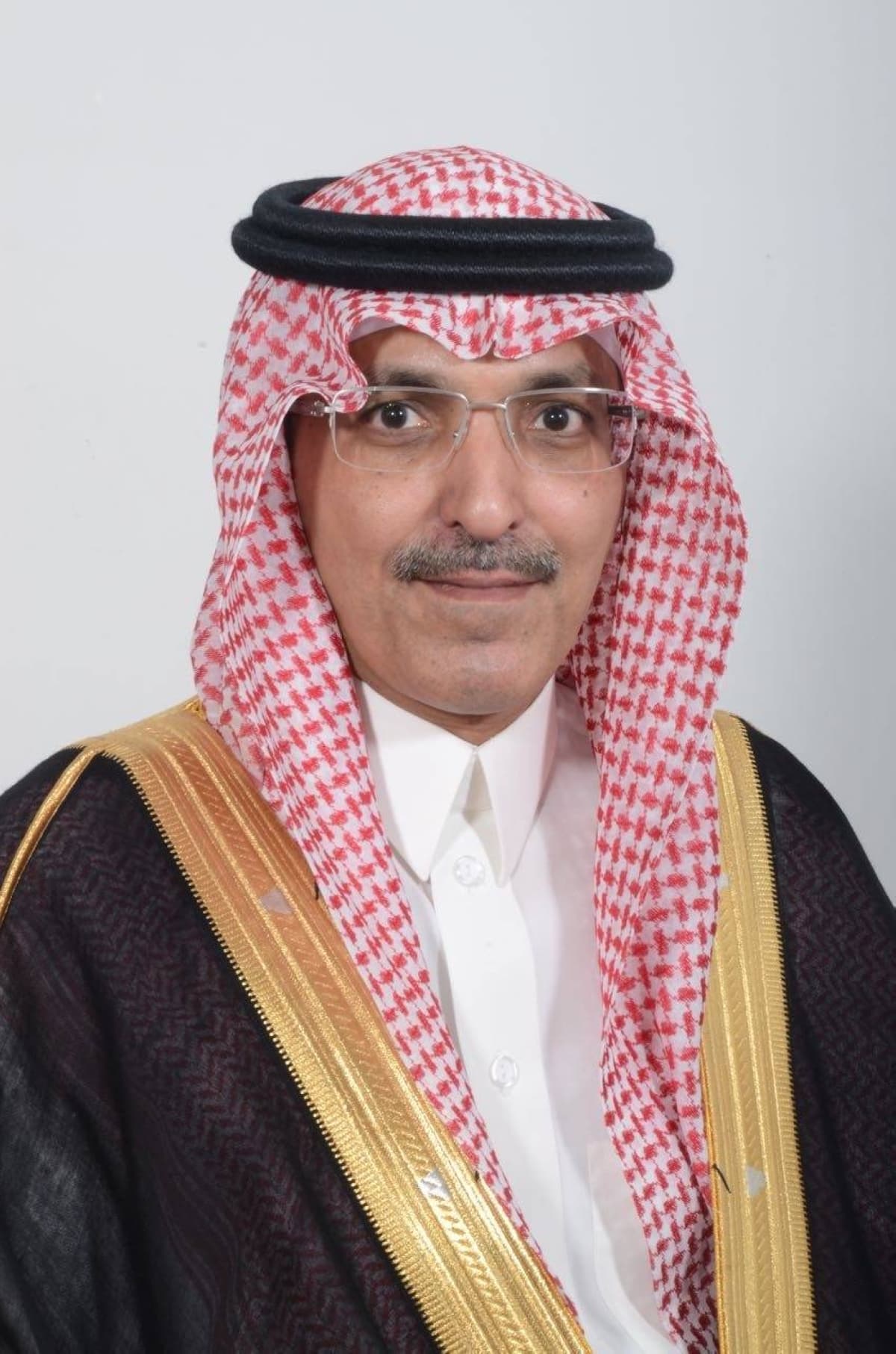
Here's what it means for you.
As a professional navigating the global economy, understanding the implications of G20 discussions can enhance your strategic decision-making.
Why it matters
The G20 economies represent approximately 85% of global GDP, making their coordinated policies critical for economic stability and growth.
What happened (in 30 seconds)
- Saudi Finance Minister Mohammed Al-Jadaan attended the inaugural G20 Finance Ministers and Central Bank Governors meeting in Washington, DC, on April 18, 2026.
- Key discussions focused on global economic challenges, including growth prospects, macroeconomic imbalances, and digital assets regulation.
- No joint communique was issued, but Saudi officials emphasized commitments to balanced global policies.
The context you actually need
- The G20's role: The Group of Twenty (G20) is a major forum for international economic cooperation, representing the world's largest economies.
- Current global challenges: The meeting took place amid ongoing recovery from economic shocks, geopolitical tensions, and energy market volatility.
- U.S. presidency: The United States assumed the G20 presidency in 2026, following South Africa, setting the stage for its economic agenda.
What's really happening
The inaugural G20 Finance Ministers and Central Bank Governors meeting in Washington, DC, on April 18, 2026, marked a significant moment for global economic coordination. Saudi Arabia's Minister of Finance, Mohammed bin Abdullah Al-Jadaan, joined finance ministers and central bank governors from G20 member states, along with representatives from invited nations and heads of international organizations like the IMF and World Bank. The meeting's agenda was shaped by pressing global economic challenges, including growth prospects, macroeconomic imbalances, and the regulation of digital assets.
Al-Jadaan's contributions highlighted the interconnectedness of global growth and geopolitical stability. He pointed out that fluctuations in energy markets and supply chain disruptions pose significant risks to economic recovery. His advocacy for stable energy supplies and proactive measures to mitigate shocks reflects a broader recognition of the need for policy clarity and labor flexibility. This approach aims to foster private sector engagement in reforms and address imbalances in a manner that considers the unique contexts of individual nations.
The absence of a joint communique from the meeting indicates a cautious approach among G20 members, who are navigating complex economic landscapes. Saudi officials reiterated their commitment to balanced global policies, but without specifying immediate governmental responses. This lack of a unified statement may signal ongoing debates among member states regarding the best strategies to address the multifaceted challenges facing the global economy.
As the G20 continues its work, the focus will shift to subsequent finance track events, including a meeting scheduled for Asheville in August 2026. Observers will be watching closely for developments in debt sustainability and digital finance, as these issues remain critical to the stability of financial markets. The G20's emphasis on financial stability and reliable energy markets is particularly relevant for regions like Dubai, which stands to benefit from increased investor confidence and predictable oil revenues.
Who feels it first (and how)
- Finance professionals: They will need to adapt to potential regulatory changes stemming from G20 discussions on digital assets.
- Energy sector stakeholders: Fluctuations in energy markets will directly impact pricing and investment strategies.
- Global investors: They will be influenced by the G20's coordinated policies, affecting market stability and growth opportunities.
What to watch next
- Upcoming G20 meetings: The next finance track event in Asheville will provide insights into ongoing discussions and potential policy shifts.
- Market reactions: Monitor how financial markets respond to G20 outcomes, particularly regarding debt sustainability and digital finance.
- Geopolitical developments: Changes in geopolitical stability could influence energy markets and economic growth, impacting G20 policy discussions.
The G20 economies account for approximately 85% of global GDP.
Continued focus on digital finance and debt sustainability in future G20 meetings.
The specific impacts of G20 discussions on individual national policies and market reactions.
Frequently Asked Questions
- Why it matters?
- The G20 economies represent approximately 85% of global GDP, making their coordinated policies critical for economic stability and growth.
- What happened (in 30 seconds)?
- Saudi Finance Minister Mohammed Al-Jadaan attended the inaugural G20 Finance Ministers and Central Bank Governors meeting in Washington, DC, on April 18, 2026. Key discussions focused on global economic challenges, including growth prospects, macroeconomic imbalances, and digital assets regulation. No joint communique was issued, but Saudi officials emphasized commitments to balanced global policies.
- What's really happening?
- The inaugural G20 Finance Ministers and Central Bank Governors meeting in Washington, DC, on April 18, 2026, marked a significant moment for global economic coordination. Saudi Arabia's Minister of Finance, Mohammed bin Abdullah Al-Jadaan, joined finance ministers and central bank governors from G20 member states, along with representatives from invited nations and heads of international organizations like the IMF and World Bank. The meeting's agenda was shaped by pressing global economic challe
- Who feels it first (and how)?
- Finance professionals: They will need to adapt to potential regulatory changes stemming from G20 discussions on digital assets. Energy sector stakeholders: Fluctuations in energy markets will directly impact pricing and investment strategies. Global investors: They will be influenced by the G20's coordinated policies, affecting market stability and growth opportunities.
- What to watch next?
- Upcoming G20 meetings: The next finance track event in Asheville will provide insights into ongoing discussions and potential policy shifts. Market reactions: Monitor how financial markets respond to G20 outcomes, particularly regarding debt sustainability and digital finance. Geopolitical developments: Changes in geopolitical stability could influence energy markets and economic growth, impacting G20 policy discussions.
Saudi newspaper coverage spanning local, national, and public-interest stories.
"Makkah Newspaper generally reflects mainstream Saudi editorial priorities with an emphasis on domestic issues."
— A47 Editor
وزير المالية يشارك في الاجتماع الأول لوزراء المالية ومحافظي البنوك المركزية لمجموعة العشرين
Minister of Finance Mohammed bin Abdullah Al-Jadaan participated in the first meeting of G20 finance ministers and central bank governors held in Washington under U.S. presidency. This meeting marks a significant gathering of global financial leaders...
Sports reporting with a focus on Saudi and regional competitions.
"Okaz sports coverage is broad and audience-friendly, with strong attention to Saudi teams and leagues."
— A47 Editor
الجدعان: اقتصاد السعودية متين ونموه مستدام رغم التحديات
Saudi Finance Minister Mohammed bin Abdullah Al-Jadaan participated in the first meeting of G20 finance ministers and central bank governors in Washington, emphasizing the resilience of the Saudi economy and its sustainable growth amid the challenges...
Pan-Arab news coverage spanning politics, business, sports, and regional affairs.
"Asharq Al-Awsat reflects a broad Arab editorial perspective with strong attention to regional geopolitics."
— A47 Editor
الجدعان: إنهاء الصراعات وتأمين السلام ركيزتان أساسيتان لتحقيق النمو المستدام
Saudi Finance Minister Mohammed Al-Jadaan announced that the world's ability to confront crises depends on adopting a unified strategic vision and implementing reforms. He emphasized the importance of ending conflicts and ensuring peace as essential ...