
Saudi Cabinet Approves New Enforcement Law and AML Amendments
Here's what it means for you.
If you engage in business with Saudi Arabia, expect smoother transactions and enhanced financial integrity.
Why it matters
These legislative changes signal Saudi Arabia's commitment to modernizing its financial and judicial systems, impacting regional business dynamics.
What happened (in 30 seconds)
- The Saudi Cabinet approved a new Enforcement Law aimed at modernizing judicial processes and prioritizing asset recovery.
- Amendments to the Anti-Money Laundering System were endorsed to align with international standards, enhancing financial oversight.
- The Jeddah Historic District Program was extended by two years to support ongoing cultural preservation efforts.
The context you actually need
- Vision 2030 is driving these reforms, focusing on judicial efficiency, financial integrity, and cultural heritage.
- The Enforcement Law shifts focus from debtor imprisonment to asset recovery, improving judicial efficiency.
- The Jeddah Historic District Program revitalizes a UNESCO site, addressing restoration needs and promoting tourism.
What's really happening
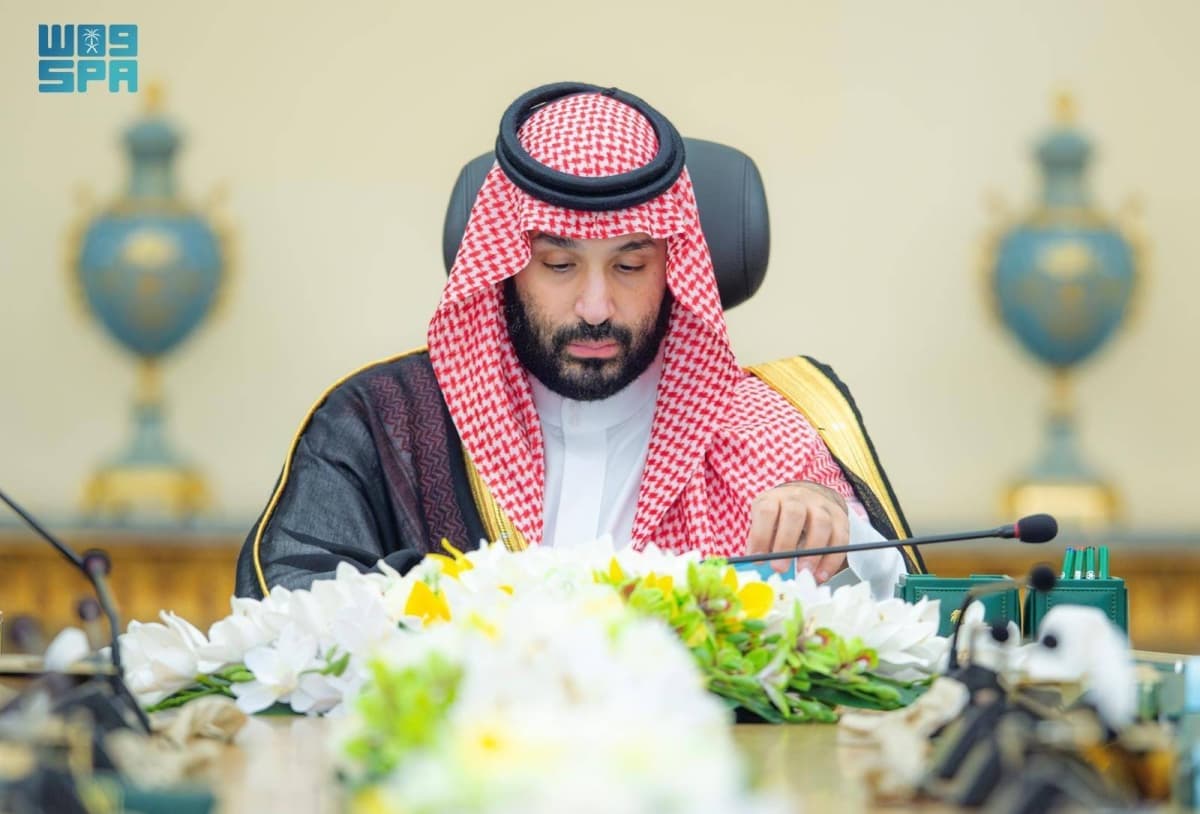
On April 15, 2026, the Saudi Cabinet, led by Crown Prince Mohammed bin Salman, convened in Jeddah to approve significant legislative reforms. The session was part of a broader strategy under Vision 2030, which aims to modernize various sectors of the Saudi economy and society. The new Enforcement Law is a pivotal element of this strategy, designed to enhance the efficiency of judicial processes. By prioritizing asset recovery over debtor imprisonment, the law aims to streamline enforcement actions, making it easier for creditors to reclaim owed funds without lengthy legal battles.
The amendments to the Anti-Money Laundering (AML) System are equally crucial. These changes align Saudi Arabia's regulations with the Financial Action Task Force (FATF) standards, reflecting a commitment to international compliance amid increasing global scrutiny of financial systems. Strengthening oversight mechanisms is essential for maintaining the integrity of the financial sector, especially as Saudi Arabia seeks to attract foreign investment and enhance its economic resilience.
The extension of the Jeddah Historic District Program by two years underscores the importance of cultural preservation in Saudi Arabia's modernization efforts. Launched in 2018, this program aims to revitalize a UNESCO-listed area that encompasses historic buildings, markets, and waterfronts. The extension indicates ongoing restoration needs and a commitment to sustaining cultural heritage, which is vital for tourism and national identity.
These legislative changes are not just about compliance; they represent a broader shift in how Saudi Arabia views its role in the global economy. By enhancing judicial efficiency and financial integrity, the Kingdom is positioning itself as a more attractive destination for international business. This is particularly relevant for companies operating in the Gulf Cooperation Council (GCC) region, where cross-border transactions are common.
Who feels it first (and how)
- Business owners in Saudi Arabia will benefit from streamlined enforcement processes, making it easier to recover debts.
- Financial institutions will face stricter compliance requirements but will also gain from enhanced trust in the financial system.
- Tourism and cultural sectors will see increased investment and interest due to the revitalization of historic sites.
What to watch next
- Implementation of the Enforcement Law: Monitor how quickly and effectively the new judicial processes are adopted, as this will impact business operations.
- International compliance reviews: Watch for assessments from FATF and other bodies regarding Saudi Arabia's AML practices, which could influence foreign investment.
- Cultural tourism growth: Keep an eye on visitor numbers to the Jeddah Historic District, as increased tourism can drive economic benefits.
The Enforcement Law and AML amendments have been approved by the Saudi Cabinet.
Enhanced financial compliance will improve cross-border transactions between Saudi Arabia and the UAE.
The long-term impact on the judicial system's efficiency and its effect on business confidence remains to be seen.
Frequently Asked Questions
- Why it matters?
- These legislative changes signal Saudi Arabia's commitment to modernizing its financial and judicial systems, impacting regional business dynamics.
- What happened (in 30 seconds)?
- The Saudi Cabinet approved a new Enforcement Law aimed at modernizing judicial processes and prioritizing asset recovery. Amendments to the Anti-Money Laundering System were endorsed to align with international standards, enhancing financial oversight. The Jeddah Historic District Program was extended by two years to support ongoing cultural preservation efforts.
- What's really happening?
- On April 15, 2026, the Saudi Cabinet, led by Crown Prince Mohammed bin Salman, convened in Jeddah to approve significant legislative reforms. The session was part of a broader strategy under Vision 2030, which aims to modernize various sectors of the Saudi economy and society. The new Enforcement Law is a pivotal element of this strategy, designed to enhance the efficiency of judicial processes. By prioritizing asset recovery over debtor imprisonment, the law aims to streamline enforcement actio
- Who feels it first (and how)?
- Business owners in Saudi Arabia will benefit from streamlined enforcement processes, making it easier to recover debts. Financial institutions will face stricter compliance requirements but will also gain from enhanced trust in the financial system. Tourism and cultural sectors will see increased investment and interest due to the revitalization of historic sites.
- What to watch next?
- Implementation of the Enforcement Law: Monitor how quickly and effectively the new judicial processes are adopted, as this will impact business operations. International compliance reviews: Watch for assessments from FATF and other bodies regarding Saudi Arabia's AML practices, which could influence foreign investment. Cultural tourism growth: Keep an eye on visitor numbers to the Jeddah Historic District, as increased tourism can drive economic benefits.
Saudi newspaper coverage spanning local, national, and public-interest stories.
"Makkah Newspaper generally reflects mainstream Saudi editorial priorities with an emphasis on domestic issues."
— A47 Editor
الموافقة على نظام التنفيذ وتعديل نظام مكافحة غسل الأموال وتمديد مدة برنامج مشروع جدة التاريخية
The Council of Ministers, chaired by Crown Prince Mohammed bin Salman bin Abdulaziz Al Saud in Jeddah, approved the enforcement system, amended the Anti-Money Laundering Law, and extended the duration of the Jeddah Historical Project. This decision r...
Arabic-language coverage of Saudi, regional, and international affairs.
"Al Bilad offers mainstream Saudi newspaper coverage across domestic and broader Arab topics."
— A47 Editor
مجلس الوزراء: رفض قاطع لانتهاك سيادة الدول وتهديد أمن المنطقة واستقرارها
The Council of Ministers, chaired by His Royal Highness Prince Mohammed bin Salman bin Abdulaziz Al Saud, convened in Jeddah and approved the implementation system and amendments to the Anti-Money Laundering Law. Additionally, the council extended th...
Arabic-language reporting focused on domestic developments in Saudi Arabia.
"Okaz is a mainstream Saudi newspaper that often reflects domestic priorities and official-facing coverage."
— A47 Editor
برئاسة ولي العهد.. مجلس الوزراء يوافق على «نظام التنفيذ» وتعديل «مكافحة غسل الأموال»
Crown Prince Mohammed bin Salman chaired a Cabinet session in Jeddah, where the council praised the bravery of the armed forces in defending the nation against Iranian aggressions. The Cabinet also approved the 'Execution Law' and amendments to the '...
Arabic-language reporting focused on Saudi domestic affairs and current events.
"Al Watan is a mainstream Saudi newspaper with strong domestic coverage and a broad general-news profile."
— A47 Editor
مجلس الوزراء: الموافقة على نظام التنفيذ
The Saudi Council of Ministers, chaired by Crown Prince Mohammed bin Salman, convened in Jeddah to commend the armed forces for their valor in defending the nation against Iranian aggression. The council emphasized the importance of maintaining regio...