
Israel Launches Heaviest Airstrikes on Lebanon Amid Ongoing Conflict
Here's what it means for you.
The escalating conflict in Lebanon could impact expatriate communities and regional stability, affecting business operations and personal safety.
Why it matters
The ongoing violence exacerbates an already dire humanitarian situation, which could lead to increased economic instability in the region.
What happened (in 30 seconds)
- Israel launched its heaviest airstrikes on Lebanon on April 8, 2026, targeting over 100 Hezbollah sites and resulting in at least 245 deaths and over 1,100 injuries.
- The strikes occurred shortly after a US-Iran ceasefire announcement, leading to confusion over Lebanon's status in the truce.
- Lebanese expatriates in the UAE expressed deep concern for family safety, calling for peace amid the escalating conflict.
The context you actually need
- The conflict between Israel and Hezbollah began on March 2, 2026, leading to substantial casualties and nearly 700,000 displaced civilians in Lebanon.
- Discrepancies arose regarding the US-Iran ceasefire, with Pakistan including Lebanon while Israeli and US officials insisted operations against Hezbollah would continue.
- The humanitarian crisis in Lebanon is worsening, with economic disruptions and delayed salaries affecting the livelihoods of many families.
What's really happening
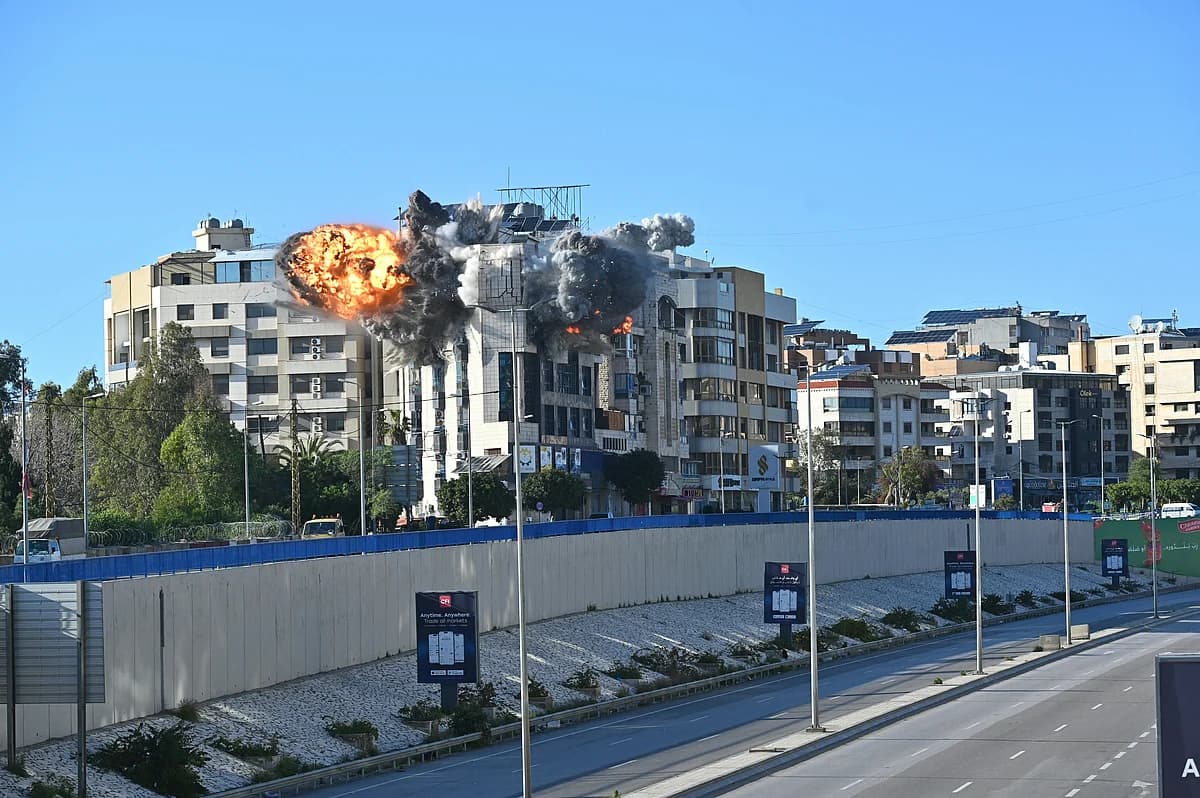
On April 8, 2026, Israel executed its most extensive airstrikes against Hezbollah in Lebanon, marking a significant escalation in the ongoing conflict that began just over a month prior. The Israeli Defense Forces targeted more than 100 sites within a mere 10 minutes, resulting in the deadliest single-day strikes of the war, with 245 fatalities reported by Lebanese Civil Defence. The strikes were conducted without prior warnings, creating widespread panic among civilians, particularly in Beirut and southern regions where the highest casualties occurred.
The timing of these airstrikes is critical. They followed a US-Iran ceasefire announcement, which was intended to de-escalate tensions in the region. However, confusion arose as Israeli Prime Minister Benjamin Netanyahu and US officials asserted that Lebanon was excluded from the ceasefire, while Pakistan, acting as a mediator, claimed otherwise. This contradiction highlights the complexities of international diplomacy in the region and the precarious nature of peace agreements.
The airstrikes have exacerbated Lebanon's already dire humanitarian crisis. With nearly 700,000 people displaced, the impact on civilian life is severe. Many families are facing economic disruptions, including delayed salaries, as Hezbollah operatives are embedded in residential areas, increasing civilian risks and complicating evacuation efforts. The fear among Lebanese expatriates in the UAE is palpable, as they worry about the safety of their loved ones back home. Reports from Dubai residents indicate intense anxiety, traffic chaos during evacuations, and the emotional toll of being far from family during such a crisis.
Hezbollah's subsequent pause in operations following the strikes suggests a temporary shift in tactics, but the underlying tensions remain unresolved. Iran's condemnation of the airstrikes as a violation of the ceasefire further complicates the situation, indicating that hostilities may resume. The UAE government has also condemned the strikes, emphasizing the risks to regional stability, which could have broader implications for expatriate communities and businesses operating in the region.
Who feels it first (and how)
- Lebanese expatriates in the UAE: Experiencing emotional distress and anxiety for family safety, leading to calls for peace.
- Local businesses in Dubai: Potentially facing disruptions if the conflict escalates further, affecting trade and economic stability.
- Humanitarian organizations: Increasing demand for aid and resources as the crisis deepens in Lebanon, impacting operational capacities.
What to watch next
- Continued military operations: Monitor if Israel resumes strikes or if Hezbollah retaliates, which could escalate tensions further.
- Humanitarian aid response: Watch for international efforts to address the growing crisis in Lebanon, as increased aid could stabilize the situation.
- Expatriate community reactions: Observe how the Lebanese expatriate community in the UAE mobilizes for support, which could influence local sentiment and business dynamics.
The airstrikes resulted in significant casualties and heightened fears among Lebanese expatriates.
Continued tensions between Israel and Hezbollah, with potential for further military actions.
The long-term implications for regional stability and economic conditions in the UAE and Lebanon.
Frequently Asked Questions
- Why it matters?
- The ongoing violence exacerbates an already dire humanitarian situation, which could lead to increased economic instability in the region.
- What happened (in 30 seconds)?
- Israel launched its heaviest airstrikes on Lebanon on April 8, 2026, targeting over 100 Hezbollah sites and resulting in at least 245 deaths and over 1,100 injuries. The strikes occurred shortly after a US-Iran ceasefire announcement, leading to confusion over Lebanon's status in the truce. Lebanese expatriates in the UAE expressed deep concern for family safety, calling for peace amid the escalating conflict.
- What's really happening?
- On April 8, 2026, Israel executed its most extensive airstrikes against Hezbollah in Lebanon, marking a significant escalation in the ongoing conflict that began just over a month prior. The Israeli Defense Forces targeted more than 100 sites within a mere 10 minutes, resulting in the deadliest single-day strikes of the war, with 245 fatalities reported by Lebanese Civil Defence. The strikes were conducted without prior warnings, creating widespread panic among civilians, particularly in Beirut
- Who feels it first (and how)?
- Lebanese expatriates in the UAE: Experiencing emotional distress and anxiety for family safety, leading to calls for peace. Local businesses in Dubai: Potentially facing disruptions if the conflict escalates further, affecting trade and economic stability. Humanitarian organizations: Increasing demand for aid and resources as the crisis deepens in Lebanon, impacting operational capacities.
- What to watch next?
- Continued military operations: Monitor if Israel resumes strikes or if Hezbollah retaliates, which could escalate tensions further. Humanitarian aid response: Watch for international efforts to address the growing crisis in Lebanon, as increased aid could stabilize the situation. Expatriate community reactions: Observe how the Lebanese expatriate community in the UAE mobilizes for support, which could influence local sentiment and business dynamics.
International coverage from The Guardian's global desks.
"The Guardian is known for its progressive editorial stance and in-depth analysis."
— A47 Editor
Hezbollah launches rockets at Israel – as it happened
Hezbollah has launched rockets at Israel amid escalating tensions in the Middle East, coinciding with ongoing Israeli airstrikes in Lebanon that have resulted in significant casualties. British Foreign Secretary Yvette Cooper emphasized the need to i...
Global business headlines with AI angles.
"General business outlet that frequently covers AI."
— A47 Editor
Israel Says It Killed Top Hezbollah Official In Lebanon Attack As Iran Threatens To End Talks Over Lebanon
Israel announced the killing of a senior Hezbollah leader during ongoing military operations in Lebanon, a move that has escalated tensions in the region. This action comes amid Iran's threats to withdraw from ceasefire negotiations, highlighting the...
Top international stories selected by The Guardian editors.
"The Guardian is known for its progressive editorial stance and in-depth analysis."
— A47 Editor
Did Israel attack Lebanon to spoil Iran war ceasefire?
Israel has intensified its military operations in Lebanon, launching extensive airstrikes that have resulted in significant civilian casualties, with reports indicating over 300 fatalities. The Israeli government claims these strikes are targeted at ...
Top international stories selected by The Guardian editors.
"The Guardian is known for its progressive editorial stance and in-depth analysis."
— A47 Editor
The deadliest 10 minutes in decades: Lebanese reel from Israeli strikes that killed hundreds
In a devastating escalation of violence, Israeli airstrikes in central Beirut resulted in at least 182 fatalities, marking one of the deadliest days in the ongoing conflict with Hezbollah. The strikes occurred within a mere 10 minutes, targeting over...
Comprehensive coverage of Middle Eastern and global issues.
"Al Jazeera is a prominent voice from the Global South, especially the Middle East, with an emphasis on underreported stories."
— A47 Editor
Lebanon Latest: Israel kills hundreds in one day
Israel has launched a series of airstrikes across Lebanon, resulting in hundreds of fatalities, despite a ceasefire agreement between the United States and Iran. The attacks have particularly targeted neighborhoods in Beirut, leading to widespread pa...
Breaking news and analysis from the UAE and Gulf region.
"Khaleej Times is a long-running UAE publication with broad regional coverage."
— A47 Editor
'All we want is peace': Lebanese UAE expats react to heaviest Israeli strikes during war
Recent Israeli airstrikes in Lebanon have resulted in significant casualties, with reports indicating at least 254 fatalities and over 1,165 injuries. This escalation marks one of the heaviest bombardments since the onset of the current conflict, pro...
Regional coverage and analysis focused on politics, diplomacy, and business across the Middle East.
"Al-Monitor is known for analytical reporting on Middle East politics and policy developments."
— A47 Editor
Lebanon rejects Iran negotiating on its behalf, PM says only Beirut handles talks
Israel has intensified its military operations against Lebanon, launching extensive airstrikes that resulted in at least 254 fatalities and over 1,165 injuries, marking a significant escalation in the ongoing conflict. This surge in violence occurred...