
US Delays Weapons Deliveries to NATO Allies Amid Iran War Strain
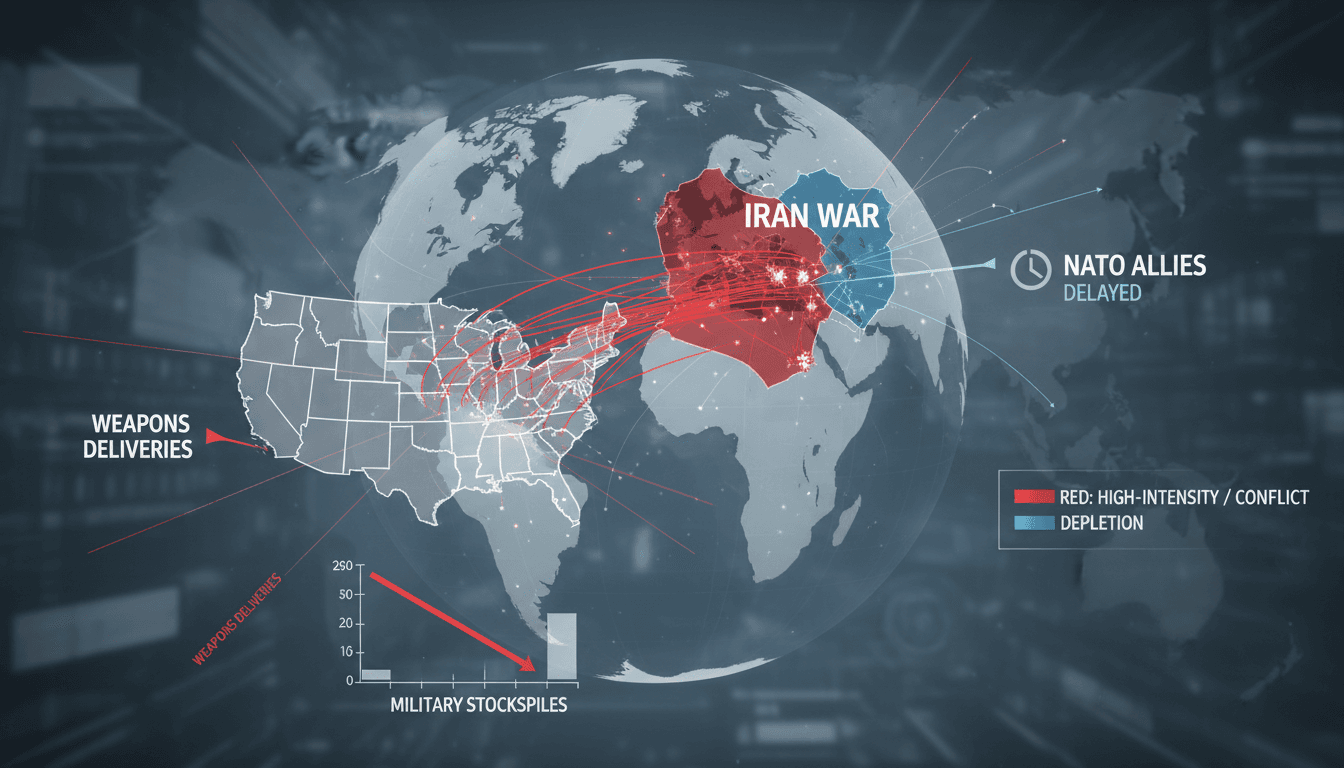
Here's what it means for you.
If you’re in the defense sector or rely on NATO security, these delays could impact your strategic planning and operational readiness.
Why it matters
This situation underscores the fragility of military supply chains amid escalating global conflicts.
What happened (in 30 seconds)
- U.S. officials announced delays in weapons deliveries to Baltic and Scandinavian NATO allies due to the ongoing war with Iran.
- Affected countries include Lithuania and Estonia, which are set to receive fewer Javelin missiles and HIMARS systems.
- The delays are exacerbated by prior military support to Ukraine and Israel, further straining U.S. munitions stockpiles.
The context you actually need
- U.S. military stockpiles have been significantly depleted since the Ukraine conflict began in February 2022, followed by support for Israel's operations in Gaza.
- The Iran war, which started on February 28, 2026, has intensified the demand for U.S. military resources, diverting attention from NATO commitments.
- Baltic and Scandinavian nations are particularly vulnerable due to their geographical proximity to Russia, raising concerns about their defense capabilities.
What's really happening
The U.S.-Iran war has created a complex web of military logistics and geopolitical tensions that directly affect NATO's eastern flank. Following the initiation of hostilities on February 28, 2026, the U.S. and Israel launched coordinated strikes against Iranian targets. In retaliation, Iran unleashed a barrage of ballistic missiles and drones aimed at Gulf states, leading to a significant uptick in U.S. military expenditures on interceptors like the PAC-3 Patriots.
By mid-April 2026, the cumulative expenditure of munitions had surpassed previous drawdowns, with over 6,000 missiles expended in just the first 16 days of the conflict. This rapid depletion of resources has forced the Pentagon to reassess its commitments to NATO allies, particularly those in the Baltic region, where the threat from Russia remains palpable.
On April 16, U.S. officials began notifying Lithuania and Estonia about delays in the delivery of critical military supplies, including Javelin anti-tank missiles and HIMARS rocket systems. These delays are not merely logistical; they reflect a broader strategic recalibration as the U.S. prioritizes immediate military needs in the Middle East over existing contracts with European allies.
The implications are significant. Baltic nations, already on high alert due to their proximity to Russia, are now facing a potential gap in their defense capabilities. The notifications from the U.S. have prompted these countries to reaffirm their commitment to defense investments, but the uncertainty surrounding supply chains has led to volatility in defense markets and European stocks.
As the situation evolves, the Pentagon has maintained that U.S. military superiority remains intact, though specifics have been withheld for operational security reasons. This ambiguity leaves NATO allies in a precarious position, reliant on commitments that may not be fulfilled in a timely manner.
Who feels it first (and how)
- Defense contractors: Companies involved in arms manufacturing may face fluctuating demand and contract renegotiations.
- Military personnel: Troops in the Baltic region may experience reduced operational readiness and support.
- Government officials: Leaders in Lithuania and Estonia will need to navigate public concerns while ensuring national security.
- Investors: Stakeholders in defense markets may see increased volatility due to uncertainty in supply chains.
What to watch next
- NATO response: Watch for any public statements or strategic shifts from NATO regarding defense commitments to Eastern Europe. This will indicate how seriously they are taking the supply chain issues.
- U.S. military expenditures: Monitor changes in U.S. defense budgets and allocations, particularly regarding munitions for NATO allies versus Middle Eastern operations. This will reveal the Pentagon's prioritization of resources.
- Regional military readiness: Keep an eye on military drills and readiness assessments in the Baltic states, as these will reflect how countries are adapting to the new supply realities.
The U.S. has delayed weapons deliveries to Baltic and Scandinavian NATO allies.
Defense markets will experience volatility as a result of these delays and the ongoing conflict in Iran.
The long-term impact on NATO's eastern flank defense capabilities remains uncertain.
Frequently Asked Questions
- Why it matters?
- This situation underscores the fragility of military supply chains amid escalating global conflicts.
- What happened (in 30 seconds)?
- U.S. officials announced delays in weapons deliveries to Baltic and Scandinavian NATO allies due to the ongoing war with Iran. Affected countries include Lithuania and Estonia, which are set to receive fewer Javelin missiles and HIMARS systems. The delays are exacerbated by prior military support to Ukraine and Israel, further straining U.S. munitions stockpiles.
- What's really happening?
- The U.S.-Iran war has created a complex web of military logistics and geopolitical tensions that directly affect NATO's eastern flank. Following the initiation of hostilities on February 28, 2026, the U.S. and Israel launched coordinated strikes against Iranian targets. In retaliation, Iran unleashed a barrage of ballistic missiles and drones aimed at Gulf states, leading to a significant uptick in U.S. military expenditures on interceptors like the PAC-3 Patriots. By mid-April 2026, the cumul
- Who feels it first (and how)?
- Defense contractors: Companies involved in arms manufacturing may face fluctuating demand and contract renegotiations. Military personnel: Troops in the Baltic region may experience reduced operational readiness and support. Government officials: Leaders in Lithuania and Estonia will need to navigate public concerns while ensuring national security. Investors: Stakeholders in defense markets may see increased volatility due to uncertainty in supply chains.
- What to watch next?
- NATO response: Watch for any public statements or strategic shifts from NATO regarding defense commitments to Eastern Europe. This will indicate how seriously they are taking the supply chain issues. U.S. military expenditures: Monitor changes in U.S. defense budgets and allocations, particularly regarding munitions for NATO allies versus Middle Eastern operations. This will reveal the Pentagon's prioritization of resources. Regional military readiness: Keep an eye on military drills and rea
Global business headlines with AI angles.
"General business outlet that frequently covers AI."
— A47 Editor
U.S. to Reportedly Delay Weapons Deliveries to Europe as Iran War Strains Military Stockpiles
The United States has reportedly informed some European allies that the delivery of previously contracted weapons may be delayed due to the ongoing war with Iran, which is straining American military stockpiles. This situation arises as the conflict ...
Pan-Arab news coverage spanning politics, business, sports, and regional affairs.
"Asharq Al-Awsat reflects a broad Arab editorial perspective with strong attention to regional geopolitics."
— A47 Editor
تقرير: أميركا أبلغت دولاً أوروبية باحتمال تأخر شحنات أسلحة
American officials have informed European counterparts that some contracted arms shipments are likely to be delayed, according to three sources cited by Reuters. This development raises concerns about the reliability of U.S. military support to its E...
Regional coverage and analysis focused on politics, diplomacy, and business across the Middle East.
"Al-Monitor is known for analytical reporting on Middle East politics and policy developments."
— A47 Editor
Exclusive-US to delay weapons deliveries to some European countries due to Iran war, sources say
U.S. officials have indicated that the delivery of contracted weapons to several European countries will be delayed due to the ongoing Iran war, which is straining U.S. military resources. This situation affects nations particularly in the Baltic reg...
Arabic-language coverage of international news and geopolitics.
"RT Arabic is a Russian state-funded outlet often criticized for promoting Kremlin-aligned narratives."
— A47 Editor
"رويترز": أمريكا تبلغ الدول الأوروبية بتأخيرات في تسليم الأسلحة المتعاقد عليها مسبقا
According to Reuters, U.S. officials have informed their European counterparts about potential delays in the delivery of previously contracted weapons due to the depletion of stockpiles. This announcement raises concerns about the reliability of U.S....