
Trump optimistic about Iran peace deal despite fragile ceasefire
Here's what it means for you.
The fragile U.S.-Iran ceasefire could reshape global oil markets and regional stability, impacting your investments and energy prices.
Why it matters
This ceasefire and the ensuing negotiations could stabilize a critical chokepoint for global oil shipments, influencing energy costs worldwide.
What happened (in 30 seconds)
- Trump expressed optimism for a peace deal with Iran amid a fragile two-week ceasefire following a six-week conflict.
- Negotiations are set to begin in Islamabad, focusing on maritime access, nuclear restrictions, and troop withdrawals.
- Oil prices tumbled below $100 per barrel, while Gulf equities, including Dubai, surged on the ceasefire announcement.
The context you actually need
- The Strait of Hormuz is vital for global oil, with approximately 20% of the world’s supply passing through it.
- The conflict escalated after Iran blocked the strait, prompting U.S. aerial campaigns and Israeli strikes against Hezbollah.
- Trump's administration demands include no nuclear enrichment and the full reopening of the strait, contrasting with Iran's plan to maintain control over maritime transit.
What's really happening
The U.S.-Iran conflict intensified in late February 2026 when Iran closed the Strait of Hormuz, a strategic maritime route essential for global oil transport. This closure triggered a series of U.S. military responses, including aerial bombings targeting Iranian infrastructure. The situation escalated further with Israel's strikes against Hezbollah in Lebanon, complicating the regional dynamics. Amid these tensions, President Trump issued ultimatums threatening severe consequences unless Iran complied with U.S. demands.
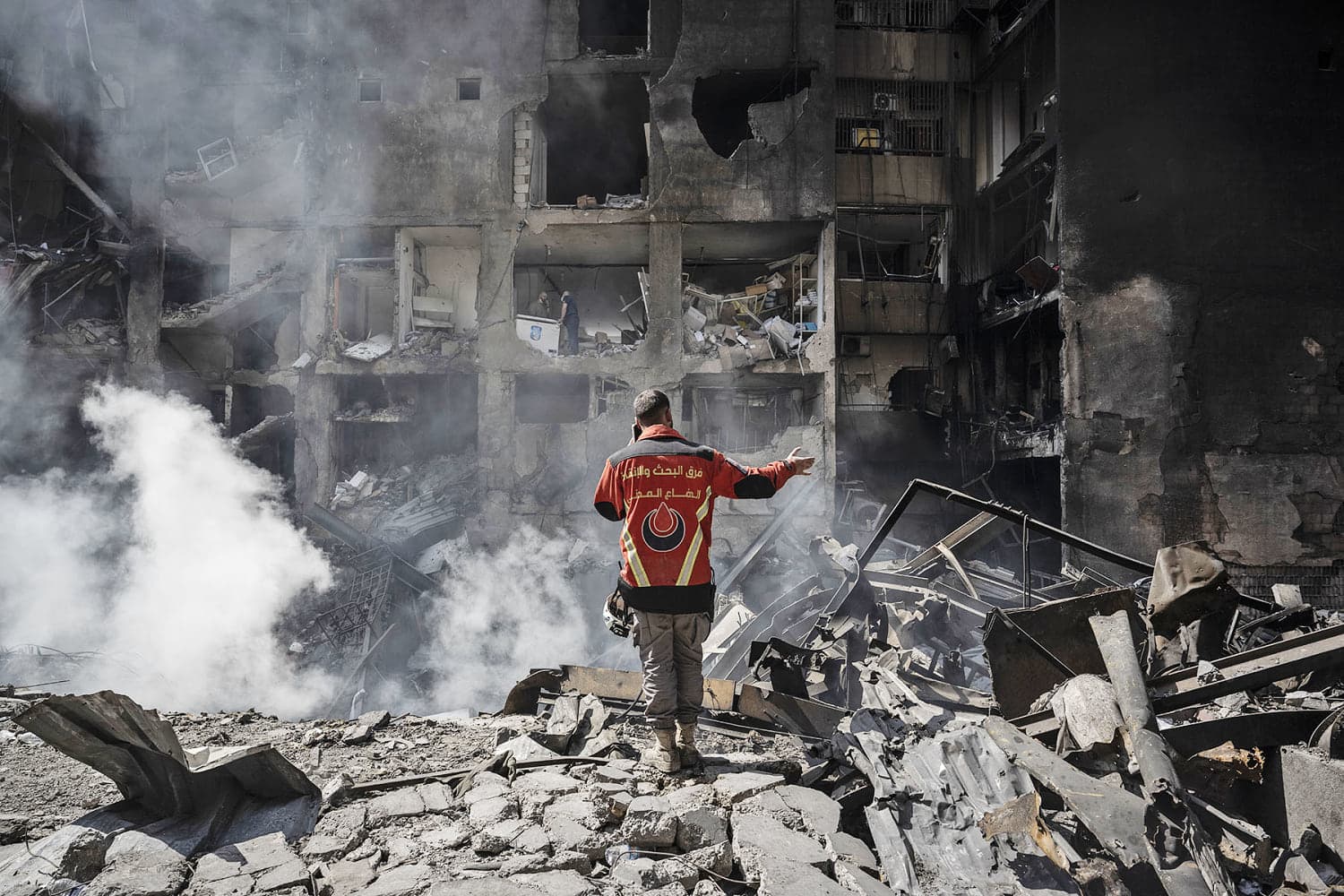
On April 7, a ceasefire was announced, pausing U.S. bombings for two weeks. However, initial compliance was shaky; only five bulk carriers managed to transit the strait on the first day of the ceasefire, a stark drop from the usual daily average of around 110. This situation prompted criticism from the UAE, highlighting the fragile nature of the agreement. Israeli forces continued operations in Lebanon, indicating that the ceasefire did not extend to Hezbollah, as affirmed by Prime Minister Netanyahu.
Despite these challenges, Trump expressed optimism for a comprehensive peace deal following discussions with Netanyahu. He dispatched key officials, including Vice President JD Vance and advisers Steve Witkoff and Jared Kushner, to Islamabad for negotiations with Iranian representatives. The talks are expected to address critical issues such as maritime access, nuclear restrictions, and the withdrawal of U.S. forces from regional bases. Iran's leadership has proposed a ten-point plan that retains control over the Strait of Hormuz, presenting a significant sticking point in negotiations.
The aftermath of the ceasefire saw oil prices drop below $100 per barrel, reflecting market relief but also uncertainty about future stability. Gulf equities, particularly in Dubai, experienced a notable surge, marking the largest increase in over a decade. However, property sales in Dubai plummeted by 30.5% from pre-escalation levels, indicating that war-induced fears are testing the emirate's status as a safe haven for investors and residents.
Who feels it first (and how)
- Oil traders: Fluctuations in oil prices directly impact their profits and strategies.
- Investors in Gulf equities: Market movements in Dubai and other Gulf states will affect their portfolios.
- Regional businesses: Companies reliant on stable shipping routes and energy prices may face operational challenges.
- Consumers globally: Changes in oil prices will influence fuel costs and, consequently, the prices of goods and services.
What to watch next
- Negotiation outcomes: The results of talks in Islamabad will determine the future of U.S.-Iran relations and regional stability, affecting global markets.
- Oil price trends: Monitor fluctuations in oil prices as they respond to developments in the ceasefire and negotiations, impacting consumer costs.
- Regional military actions: Continued Israeli operations against Hezbollah or Iranian responses could escalate tensions, influencing global security dynamics.
The ceasefire is currently fragile, with ongoing negotiations in Islamabad.
Oil prices will remain volatile as markets react to developments in the ceasefire and negotiations.
The long-term implications of the peace talks on U.S.-Iran relations and regional stability remain uncertain.
Frequently Asked Questions
- Why it matters?
- This ceasefire and the ensuing negotiations could stabilize a critical chokepoint for global oil shipments, influencing energy costs worldwide.
- What happened (in 30 seconds)?
- Trump expressed optimism for a peace deal with Iran amid a fragile two-week ceasefire following a six-week conflict. Negotiations are set to begin in Islamabad, focusing on maritime access, nuclear restrictions, and troop withdrawals. Oil prices tumbled below $100 per barrel, while Gulf equities, including Dubai, surged on the ceasefire announcement.
- What's really happening?
- The U.S.-Iran conflict intensified in late February 2026 when Iran closed the Strait of Hormuz, a strategic maritime route essential for global oil transport. This closure triggered a series of U.S. military responses, including aerial bombings targeting Iranian infrastructure. The situation escalated further with Israel's strikes against Hezbollah in Lebanon, complicating the regional dynamics. Amid these tensions, President Trump issued ultimatums threatening severe consequences unless Iran co
- Who feels it first (and how)?
- Oil traders: Fluctuations in oil prices directly impact their profits and strategies. Investors in Gulf equities: Market movements in Dubai and other Gulf states will affect their portfolios. Regional businesses: Companies reliant on stable shipping routes and energy prices may face operational challenges. Consumers globally: Changes in oil prices will influence fuel costs and, consequently, the prices of goods and services.
- What to watch next?
- Negotiation outcomes: The results of talks in Islamabad will determine the future of U.S.-Iran relations and regional stability, affecting global markets. Oil price trends: Monitor fluctuations in oil prices as they respond to developments in the ceasefire and negotiations, impacting consumer costs. Regional military actions: Continued Israeli operations against Hezbollah or Iranian responses could escalate tensions, influencing global security dynamics.
Arabic-language UAE newspaper coverage focused on domestic affairs, public institutions, business, society, and regional developments.
"Al Khaleej coverage generally reflects a mainstream UAE editorial lens with strong attention to public affairs, institutions, and regional developments."
— A47 Editor
ترامب يبشر بسلام وشيك مع إيران ويحذر: «إما الاتفاق أو الألم الشديد»
President Donald Trump expressed optimism about reaching a peace agreement with Iran during an interview with NBC News, stating he is "very hopeful" for a resolution. He emphasized the urgency of the situation, warning that it is either an agreement ...
Arabic-language political and world news coverage for UAE readers.
"Emarat Al Youm world coverage usually presents international developments through a UAE and Arab audience lens."
— A47 Editor
ترامب: متفائل بأن اتفاق سلام مع إيران بات قريباً ترامب: متفائل بأن اتفاق سلام مع إيران بات قريباً
U.S. President Donald Trump expressed optimism about reaching a peace agreement with Iran during an interview with NBC News. He indicated that the possibility of a resolution is closer than ever, reflecting a significant shift in diplomatic relations...
National headlines across the United States including breaking stories and societal issues.
"NBC News is a mainstream media outlet known for comprehensive national and international news coverage with a centrist to slightly left-leaning editorial tone."
— A47 Editor
Trump 'optimistic' about Iran peace deal even as ceasefire appears strained
President Donald Trump expressed optimism regarding a potential peace deal with Iran during an interview with NBC News, stating he believes an agreement is within reach despite ongoing tensions and a strained ceasefire.
Comprehensive coverage of global events, politics, and international issues.
"NBC News is a mainstream outlet known for comprehensive national and international coverage with a centrist to slightly left-leaning editorial tone."
— A47 Editor
Trump 'optimistic' about Iran peace deal even as ceasefire appears strained
President Donald Trump expressed optimism regarding a potential peace deal with Iran during an interview with NBC News, stating he believes an agreement is within reach despite ongoing tensions and a strained ceasefire.