
Trump Issues Ultimatum to Iran Over Strait of Hormuz Access
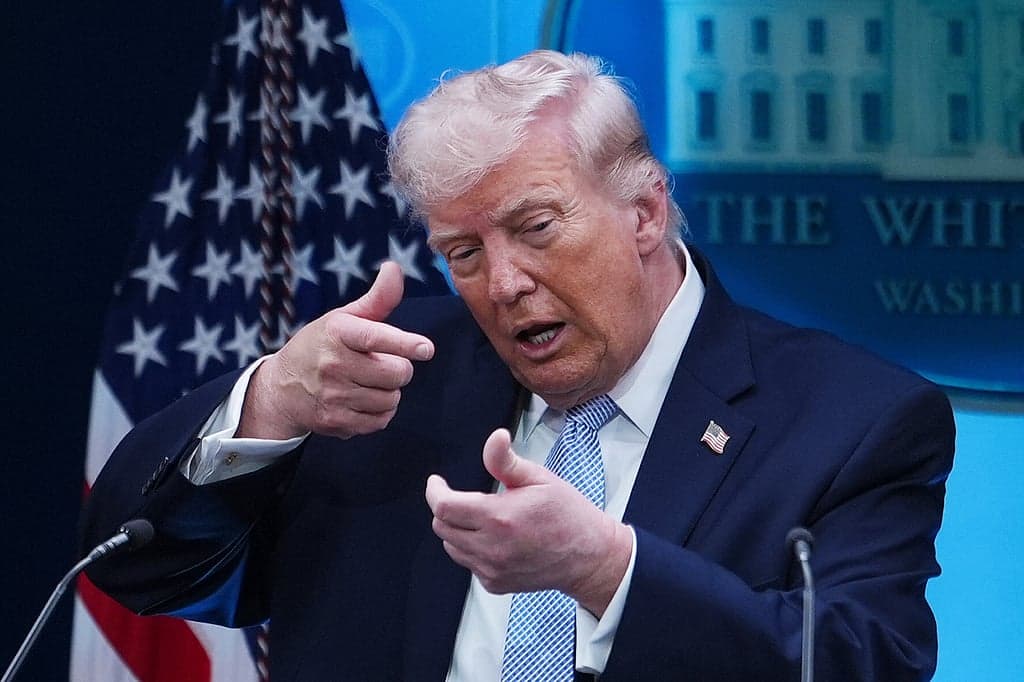
Here's what it means for you.
If you rely on oil or energy markets, prepare for volatility as geopolitical tensions escalate.
Why it matters
The potential destruction of Iranian infrastructure could disrupt global oil supply, affecting prices and availability.
What happened (in 30 seconds)
- On April 6, 2026, President Trump issued a stark ultimatum threatening to destroy Iran's bridges and power plants unless the Strait of Hormuz is reopened by April 8.
- This ultimatum follows a 38-day conflict initiated by U.S.-Israeli airstrikes on Iran, leading to Iran's closure of the strategic strait vital for global oil transit.
- Iran has rejected the ceasefire proposal, vowing retaliation, while international mediators seek a diplomatic resolution.
The context you actually need
- The 2026 Iran war began on February 28, 2026, with U.S.-Israeli strikes aiming for regime change, prompting Iranian missile and drone responses.
- The Strait of Hormuz is a critical chokepoint for 20-30% of global oil trade, making its closure a significant concern for global markets.
- Rising oil prices have already been observed, with Brent crude fluctuating between $93 and $120 per barrel since the conflict began, indicating market sensitivity to geopolitical events.
What's really happening
The current crisis stems from a complex interplay of military aggression, economic interests, and regional power dynamics. The U.S. and Israel initiated the conflict with airstrikes targeting Iranian military capabilities, which they perceived as a threat to regional stability and their own national security. In response, Iran's closure of the Strait of Hormuz—a vital artery for global oil transport—has escalated tensions, prompting a series of ultimatums from President Trump.
Trump's threats to obliterate Iranian infrastructure are not merely rhetorical; they are designed to compel Iran to reopen the strait and ensure the free flow of oil. The stakes are high, as the strait is crucial for the global economy, with millions of barrels of oil passing through daily. The U.S. military's involvement, including the high-risk rescue of downed pilots, underscores the seriousness of the situation and the potential for further escalation.
The Iranian government has dismissed Trump's threats as delusional, vowing to retaliate against any attacks on its infrastructure. This rejection of U.S. demands highlights the deep-seated animosity and mistrust between the two nations. As international mediators attempt to broker a ceasefire, the potential for a broader conflict looms, with implications for energy security not just in the Middle East but globally.
The situation is exacerbated by rising oil prices, which have already surged due to fears of supply disruptions. For countries like the UAE, which rely on stable energy markets, the threat of Iranian strikes on regional infrastructure adds another layer of concern. The volatility in oil prices can lead to increased costs for consumers and businesses alike, making this conflict a pressing issue for global markets.
Who feels it first (and how)
- Energy sector professionals: Oil and gas companies may face immediate impacts on supply chains and pricing.
- Consumers: Rising fuel prices will affect transportation costs and overall living expenses.
- Investors: Market volatility may lead to fluctuations in stock prices, particularly in energy stocks.
- Middle Eastern nations: Countries reliant on oil exports will experience economic pressures due to price instability.
What to watch next
- Iran's military response: How Iran reacts to U.S. threats will be critical in determining the conflict's escalation or de-escalation.
- Oil price fluctuations: Continued volatility in oil prices will impact global markets, especially if the Strait of Hormuz remains closed.
- Diplomatic efforts: The effectiveness of international mediators in brokering a ceasefire will influence regional stability and economic repercussions.
The conflict has already led to increased oil prices and market volatility.
Iran will continue to reject U.S. demands, potentially leading to further military escalation.
The long-term impact on global oil supply and prices remains uncertain as the situation evolves.
Frequently Asked Questions
- Why it matters?
- The potential destruction of Iranian infrastructure could disrupt global oil supply, affecting prices and availability.
- What happened (in 30 seconds)?
- On April 6, 2026, President Trump issued a stark ultimatum threatening to destroy Iran's bridges and power plants unless the Strait of Hormuz is reopened by April 8. This ultimatum follows a 38-day conflict initiated by U.S.-Israeli airstrikes on Iran, leading to Iran's closure of the strategic strait vital for global oil transit. Iran has rejected the ceasefire proposal, vowing retaliation, while international mediators seek a diplomatic resolution.
- What's really happening?
- The current crisis stems from a complex interplay of military aggression, economic interests, and regional power dynamics. The U.S. and Israel initiated the conflict with airstrikes targeting Iranian military capabilities, which they perceived as a threat to regional stability and their own national security. In response, Iran's closure of the Strait of Hormuz—a vital artery for global oil transport—has escalated tensions, prompting a series of ultimatums from President Trump. Trump's threats t
- Who feels it first (and how)?
- Energy sector professionals: Oil and gas companies may face immediate impacts on supply chains and pricing. Consumers: Rising fuel prices will affect transportation costs and overall living expenses. Investors: Market volatility may lead to fluctuations in stock prices, particularly in energy stocks. Middle Eastern nations: Countries reliant on oil exports will experience economic pressures due to price instability.
- What to watch next?
- Iran's military response: How Iran reacts to U.S. threats will be critical in determining the conflict's escalation or de-escalation. Oil price fluctuations: Continued volatility in oil prices will impact global markets, especially if the Strait of Hormuz remains closed. Diplomatic efforts: The effectiveness of international mediators in brokering a ceasefire will influence regional stability and economic repercussions.
UAE-based newspaper covering Gulf politics, society, and international developments.
"Gulf News is one of the UAE’s most prominent English-language publications."
— A47 Editor
Trump warns Iran: Bridges and power plants could be destroyed overnight
President Donald Trump has issued a stark ultimatum to Iran, threatening to destroy critical infrastructure, including bridges and power plants, if Tehran does not comply with demands regarding the reopening of the Strait of Hormuz within 48 hours. T...
A curated Gulf News feed featuring major stories across news, business, opinion, and lifestyle.
"Gulf News is a major UAE newspaper whose featured stories feed reflects a broad editorial mix shaped for a Gulf audience."
— A47 Editor
Trump warns Iran: Bridges and power plants could be destroyed overnight
President Donald Trump has issued a stark ultimatum to Iran, threatening to destroy critical infrastructure, including bridges and power plants, if Tehran does not comply with demands regarding the reopening of the Strait of Hormuz within 48 hours. T...
A curated Gulf News feed featuring major stories across news, business, opinion, and lifestyle.
"Gulf News is a major UAE newspaper whose featured stories feed reflects a broad editorial mix shaped for a Gulf audience."
— A47 Editor
US–Israel war on Iran, day 39: UAE, Qatar defence teams on alert as Trump's deadline nears
On day 39 of the US-Israel military campaign against Iran, defense teams in the UAE and Qatar are on high alert as President Donald Trump approaches a critical deadline regarding military action against Iran. Trump has issued an ultimatum demanding t...
UAE-based newspaper covering Gulf politics, society, and international developments.
"Gulf News is one of the UAE’s most prominent English-language publications."
— A47 Editor
US–Israel war on Iran, day 39: UAE, Qatar defence teams on alert as Trump's deadline nears
On day 39 of the US-Israel military campaign against Iran, defense teams in the UAE and Qatar are on high alert as President Donald Trump approaches a critical deadline regarding military action against Iran. Trump has issued an ultimatum demanding t...
Coverage of current events and conflicts in the Middle East.
"France 24 is viewed as a globally focused outlet with balanced coverage and a European perspective."
— A47 Editor
Trump agrees to suspend attack on Iran for two weeks
U.S. President Donald Trump has agreed to suspend military action against Iran for two weeks, following mediation efforts by Pakistani leaders. This ceasefire allows for the reopening of the strategically significant Strait of Hormuz, which has been ...
European coverage of Middle East politics and security issues.
"France 24 offers international reporting with a European editorial perspective."
— A47 Editor
Middle East war live: Trump agrees to suspend attack on Iran for two weeks
Russia and China have vetoed a UN resolution aimed at reopening the strategic Strait of Hormuz, a critical maritime route for global oil shipments, amid escalating tensions in the Middle East. This decision reflects the ongoing geopolitical complexit...
Market-moving headlines impacting equities, bonds, and related risk assets.
"Real-time catalysts and volatility drivers across indices and sectors."
— A47 Editor
Stocks struggle, oil jumps as Trump’s Iran deadline looms
Stock markets are experiencing volatility as oil prices surge, driven by escalating tensions between the U.S. and Iran ahead of President Trump's impending deadline for negotiations. Investors are reacting to Trump's severe warnings regarding militar...
News from the United States including domestic politics, society, and culture.
"The Guardian is known for its progressive editorial stance and in-depth analysis, often advocating for social justice, environmental issues, and liberal values."
— A47 Editor
Trump news at a glance: president’s deadline for Iran and threats against civilian targets loom
President Donald Trump has reiterated his aggressive stance towards Iran, stating that military action could be imminent unless Tehran reaches a deal by a firm deadline of 8 PM ET on Tuesday. He has threatened to target Iran's civilian infrastructure...
International coverage from The Guardian's global desks.
"The Guardian is known for its progressive editorial stance and in-depth analysis."
— A47 Editor
Trump news at a glance: president’s deadline for Iran and threats against civilian targets loom
President Donald Trump has reiterated his aggressive stance towards Iran, stating that military action could be imminent unless Tehran reaches a deal by a firm deadline of 8 PM ET on Tuesday. He has threatened to target Iran's civilian infrastructure...
Global political, business, and cultural coverage from WSJ international desks.
"The Wall Street Journal offers extensive international reporting with a reputation for financial insight and a center-right editorial stance."
— A47 Editor
Hopes Fade for Deal With Iran Ahead of Tuesday-Night Deadline
President Donald Trump has issued a stark ultimatum to Iran, demanding the reopening of the strategic Strait of Hormuz within 48 hours or face severe military action targeting critical infrastructure, including power plants and bridges. This ultimatu...