
US Initiates Maritime Freedom Construct to Secure Strait of Hormuz Amid NATO Tensions
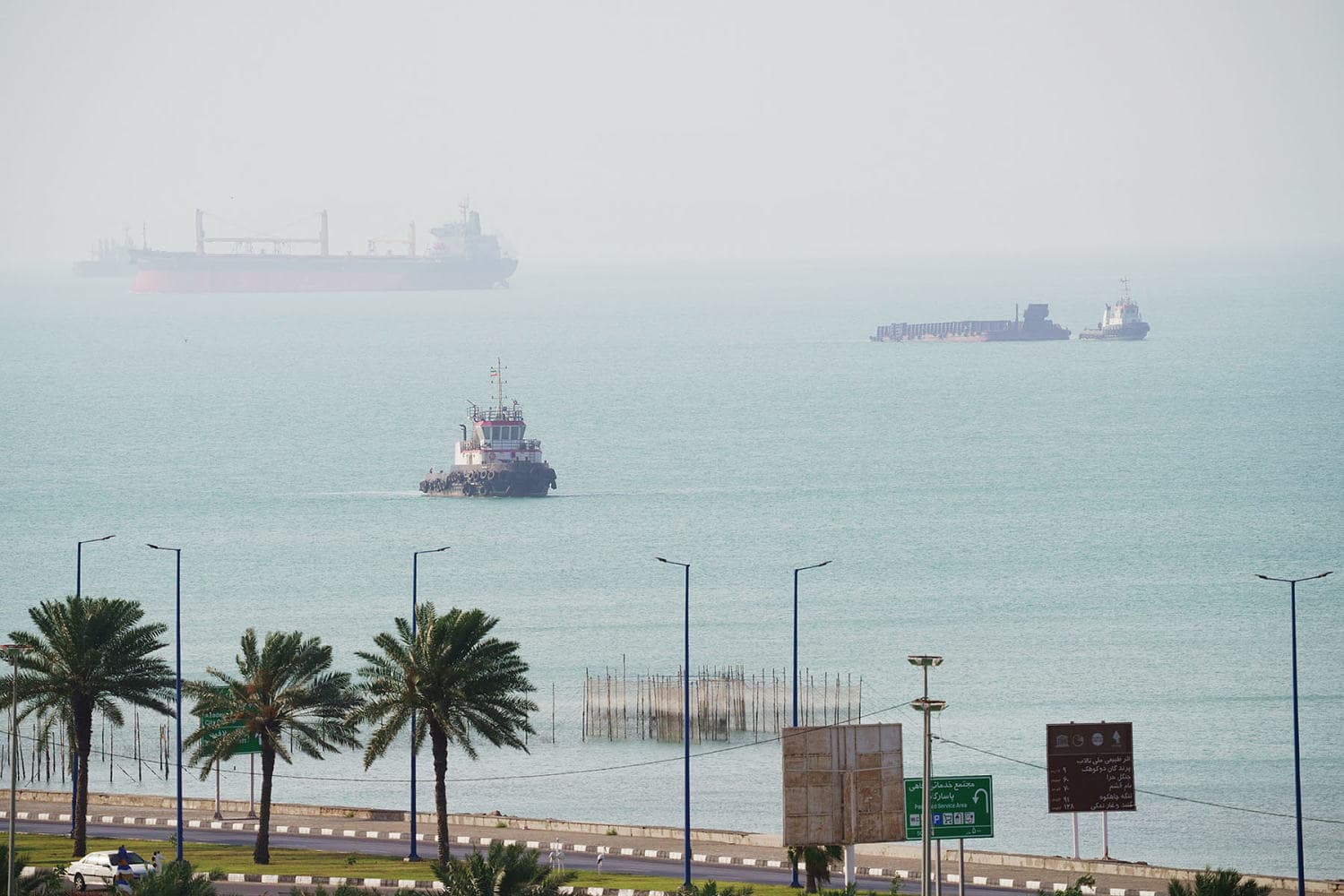
Here's what it means for you.
Global energy markets are on edge as the U.S. pushes for international support to secure vital shipping routes.
What happened
On May 1, 2026, the U.S. State Department launched the "Maritime Freedom Construct" to ensure safe navigation through the Strait of Hormuz amid ongoing tensions with Iran.
The Context
- Geopolitical tensions: The crisis began with U.S. and Israeli airstrikes on Iran, prompting Iran to restrict access to the Strait of Hormuz, a critical chokepoint for global oil trade.
- Economic impact: Approximately 20 million barrels of oil per day flow through the strait, representing about 20% of global petroleum consumption, making disruptions highly consequential for energy prices.
- Diplomatic strain: President Trump’s criticism of NATO allies for not supporting U.S. efforts adds a layer of complexity to international relations during this crisis.
The Number
— This figure represents the pre-crisis daily oil flow through the Strait of Hormuz, underscoring the strait's significance in global energy supply chains.
Takeaway
As diplomatic efforts continue, expect heightened volatility in global markets and potential shifts in military presence in Europe.
Focused political reporting and governmental affairs.
"NBC News is a mainstream media outlet known for comprehensive national and international news coverage with a centrist to slightly left-leaning editorial tone."
— A47 Editor
U.S. asks for help with opening Strait of Hormuz while Trump attacks allies
The U.S. administration has initiated efforts to seek assistance from allies in reopening the Strait of Hormuz, despite President Trump's earlier assertion that the U.S. could manage independently. This shift comes amid heightened tensions with Iran,...
Comprehensive coverage of Middle Eastern and global issues.
"Al Jazeera is a prominent voice from the Global South, especially the Middle East, with an emphasis on underreported stories."
— A47 Editor
UN chief calls for immediate reopening of the Strait of Hormuz
UN Secretary-General António Guterres has called for the immediate reopening of the Strait of Hormuz, a vital maritime route for global oil shipments, amid escalating tensions in the region. This appeal highlights the urgency of restoring safe naviga...
Global news coverage with extensive reporting on Middle Eastern conflicts and geopolitics.
"Al Jazeera is a Qatar-based broadcaster known for wide regional coverage and alternative perspectives."
— A47 Editor
UN chief calls for immediate reopening of the Strait of Hormuz
UN Secretary-General António Guterres has called for the immediate reopening of the Strait of Hormuz, a vital maritime route for global oil shipments, amid escalating tensions in the region. This appeal highlights the urgency of restoring safe naviga...
Pan-Arab news coverage spanning politics, business, sports, and regional affairs.
"Asharq Al-Awsat reflects a broad Arab editorial perspective with strong attention to regional geopolitics."
— A47 Editor
ترمب يطرح تحالفاً بحرياً لإعادة فتح هرمز
U.S. President Donald Trump has proposed a new plan aimed at establishing a maritime coalition to reopen the Strait of Hormuz, amidst ongoing tensions and no foreseeable end to the conflict with Iran.
Right-of-center views on political news.
"The Washington Times is a conservative-leaning newspaper known for its political coverage and advocacy of right-of-center viewpoints."
— A47 Editor
Trump, Iran trade insults over the Strait of Hormuz as peace talks stumble along
President Trump has escalated tensions with Iran by mocking the Strait of Hormuz, referring to it as the 'Strait of Trump' in a recent social media post. This comes amid stalled peace talks between the U.S. and Iran, which have faced significant setb...
RT is a Russian state-funded network covering global events from a Russian perspective.
"RT is widely criticized for promoting pro-Kremlin narratives and is considered by many to be a state propaganda outlet."
— A47 Editor
US cable outlines new ‘construct’ to control Strait of Hormuz – media
A recent US diplomatic cable has outlined a proposed system for managing the Strait of Hormuz, a crucial maritime route for global oil supply, amid ongoing tensions between the US and Iran. This development highlights the strategic importance of the ...
Regional coverage and analysis focused on politics, diplomacy, and business across the Middle East.
"Al-Monitor is known for analytical reporting on Middle East politics and policy developments."
— A47 Editor
US seeks international help to reopen Strait of Hormuz as crude prices surge
The United States is actively pursuing the formation of an international coalition to reopen the Strait of Hormuz, a critical maritime route for global oil and gas supplies, as oil prices surge due to fears of prolonged disruptions. This initiative f...
European coverage of Middle East politics and security issues.
"France 24 offers international reporting with a European editorial perspective."
— A47 Editor
Strait of Hormuz: Iran-US standoff drags on
The ongoing standoff between the United States and Iran continues to escalate, with President Donald Trump indicating that a naval blockade on Iran could extend for months. This situation has severely disrupted oil flows through the strategically vit...
24/7 international news from a French perspective in multiple languages.
"France 24 is viewed as a globally focused outlet with balanced coverage and a European perspective."
— A47 Editor
Strait of Hormuz: Iran-US standoff drags on
The ongoing standoff between the United States and Iran continues to escalate, with President Donald Trump indicating that a naval blockade on Iran could extend for months. This situation has severely disrupted oil flows through the strategically vit...
Global political, business, and cultural coverage from WSJ international desks.
"The Wall Street Journal offers extensive international reporting with a reputation for financial insight and a center-right editorial stance."
— A47 Editor
As Hormuz Traffic Stalls, U.S. Pitches New Coalition to Get Ships Moving Again
The Trump administration is advocating for the formation of an international coalition to facilitate the movement of ships through the Strait of Hormuz, following significant disruptions in maritime traffic due to escalating tensions with Iran. A Sta...