
U.S. EPA Proposes Repeal of Biden Administration's Coal Ash Disposal Regulations
Here's what it means for you.
If you rely on clean water and a stable energy market, the EPA's proposal could impact both by affecting coal ash management practices.
Why it matters
This regulatory shift could influence public health and environmental standards, particularly in regions near coal ash disposal sites.
What happened (in 30 seconds)
- On April 9, 2026, the U.S. EPA announced plans to repeal the Biden administration's 2024 coal ash disposal regulations.
- The proposal aims to reduce regulatory burdens on the coal industry while enhancing groundwater monitoring.
- Environmental groups warn that the changes could jeopardize drinking water supplies contaminated by toxic heavy metals.
The context you actually need
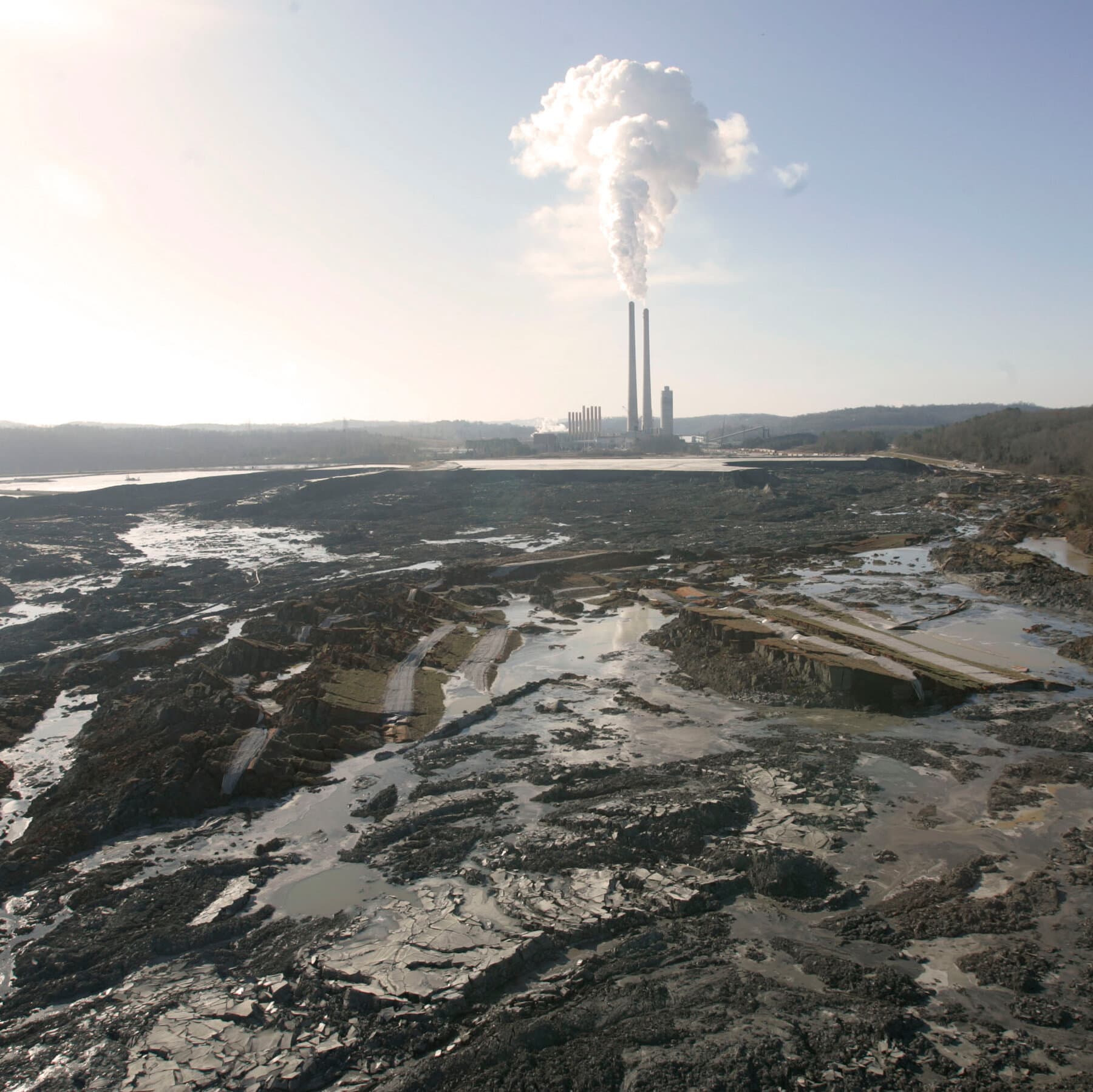
- Coal ash is a toxic byproduct of coal combustion, containing heavy metals like arsenic and mercury that pose serious risks to groundwater and drinking water quality.
- The Biden administration had previously mandated stricter inspections and cleanups of coal ash sites at inactive power plants, extending protections to legacy sites.
- The Trump administration's EPA is now proposing to roll back these regulations, citing the need for reduced burdens on the coal industry and improved monitoring practices.
What's really happening
The U.S. Environmental Protection Agency (EPA) is navigating a complex regulatory landscape regarding coal ash disposal, a toxic byproduct of coal-fired power plants. The proposed repeal of the Biden-era regulations, announced by EPA Administrator Lee Zeldin, reflects a broader strategy to support the coal industry by easing compliance requirements. This move is positioned as a way to enhance groundwater monitoring and promote fossil fuel production, aligning with the Trump administration's energy policies.
Historically, coal combustion residuals (CCR) have been subject to federal regulations aimed at ensuring safe disposal and minimizing environmental harm. The Obama administration established the initial framework in 2015, which was partially rolled back during the first Trump administration. In 2024, the Biden EPA sought to strengthen these regulations by requiring inspections and cleanups at inactive coal ash sites, a move that faced significant pushback from the coal industry due to concerns over costs and feasibility.
The recent proposal to repeal these regulations is not merely a regulatory rollback; it is a strategic shift that reflects the ongoing tension between environmental protection and energy production. By easing the requirements for coal ash management, the EPA is responding to industry calls for regulatory relief. However, this decision raises critical questions about public health and environmental safety, particularly as environmental advocacy groups warn that delaying cleanups could expose communities to contaminated drinking water.
The implications of this proposal extend beyond immediate regulatory changes. States like Maryland are already taking steps to codify Biden-era protections at the local level, indicating a potential patchwork of regulations across the U.S. This could lead to inconsistencies in how coal ash is managed, depending on state policies. Furthermore, the public comment period following the announcement will be crucial in shaping the final outcome of these proposed changes, as stakeholders from various sectors weigh in on the potential risks and benefits.
In summary, the EPA's proposed repeal of coal ash regulations is emblematic of a larger ideological battle over energy policy in the U.S. The outcome will not only affect the coal industry but also have significant ramifications for public health and environmental standards, particularly in communities located near coal ash disposal sites.
Who feels it first (and how)
- Environmental advocacy groups: They will likely mobilize to oppose the repeal, citing public health risks.
- Local communities: Residents near coal ash sites may face increased exposure to toxic contaminants.
- Coal industry stakeholders: They may benefit from reduced regulatory burdens, potentially leading to increased production and profitability.
- State governments: Some states may pursue their own regulations to counteract federal rollbacks, creating a fragmented regulatory environment.
What to watch next
- Public comment period: The length and intensity of the public response could influence the final decision on the proposed repeal.
- State-level legislation: Watch for states like Maryland to implement local protections that could counteract federal rollbacks.
- Market reactions: Monitor any shifts in coal production and energy pricing as the industry responds to regulatory changes.
The EPA has proposed to repeal the 2024 coal ash disposal regulations.
Increased advocacy efforts from environmental groups opposing the repeal.
The long-term impacts on public health and groundwater quality in affected regions.
Frequently Asked Questions
- Why it matters?
- This regulatory shift could influence public health and environmental standards, particularly in regions near coal ash disposal sites.
- What happened (in 30 seconds)?
- On April 9, 2026, the U.S. EPA announced plans to repeal the Biden administration's 2024 coal ash disposal regulations. The proposal aims to reduce regulatory burdens on the coal industry while enhancing groundwater monitoring. Environmental groups warn that the changes could jeopardize drinking water supplies contaminated by toxic heavy metals.
- What's really happening?
- The U.S. Environmental Protection Agency (EPA) is navigating a complex regulatory landscape regarding coal ash disposal, a toxic byproduct of coal-fired power plants. The proposed repeal of the Biden-era regulations, announced by EPA Administrator Lee Zeldin, reflects a broader strategy to support the coal industry by easing compliance requirements. This move is positioned as a way to enhance groundwater monitoring and promote fossil fuel production, aligning with the Trump administration's ener
- Who feels it first (and how)?
- Environmental advocacy groups: They will likely mobilize to oppose the repeal, citing public health risks. Local communities: Residents near coal ash sites may face increased exposure to toxic contaminants. Coal industry stakeholders: They may benefit from reduced regulatory burdens, potentially leading to increased production and profitability. State governments: Some states may pursue their own regulations to counteract federal rollbacks, creating a fragmented regulatory environment.
- What to watch next?
- Public comment period: The length and intensity of the public response could influence the final decision on the proposed repeal. State-level legislation: Watch for states like Maryland to implement local protections that could counteract federal rollbacks. Market reactions: Monitor any shifts in coal production and energy pricing as the industry responds to regulatory changes.
Scientific research, space, environment, and health coverage.
"The New York Times is a globally recognized newspaper offering authoritative reporting with a center-left editorial stance."
— A47 Editor
E.P.A. Says It Will End Biden’s Coal Ash Disposal Rules
The Environmental Protection Agency (E.P.A.), led by administrator Lee Zeldin, announced plans to end the coal ash disposal rules established during the Biden administration, claiming that these changes will bolster U.S. energy dominance. This decisi...
Conservative-leaning political and national coverage.
"The Washington Times is a conservative-leaning newspaper known for its political coverage and advocacy of right-of-center viewpoints."
— A47 Editor
Trump administration proposes gutting rules targeting coal plant ash that threatens groundwater
The Trump administration has proposed weakening regulations concerning the disposal of coal ash, a byproduct of burning coal that can contain hazardous heavy metals and threaten groundwater. This move reverses stricter rules implemented during the Bi...
News from the United States including domestic politics, society, and culture.
"The Guardian is known for its progressive editorial stance and in-depth analysis, often advocating for social justice, environmental issues, and liberal values."
— A47 Editor
US agency proposes rolling back rules for safe disposal of toxic coal ash
The Environmental Protection Agency (EPA) has proposed to roll back regulations governing the safe disposal of coal ash, a byproduct of burning coal, which were strengthened during the Biden administration. This move follows previous attempts by the ...
International coverage from The Guardian's global desks.
"The Guardian is known for its progressive editorial stance and in-depth analysis."
— A47 Editor
US agency proposes rolling back rules for safe disposal of toxic coal ash
The Environmental Protection Agency (EPA) has proposed to roll back regulations governing the safe disposal of coal ash, a byproduct of burning coal, which were strengthened during the Biden administration. This move follows previous attempts by the ...