
Iran May Ease Nuclear Stance Ahead of US Negotiations in Islamabad
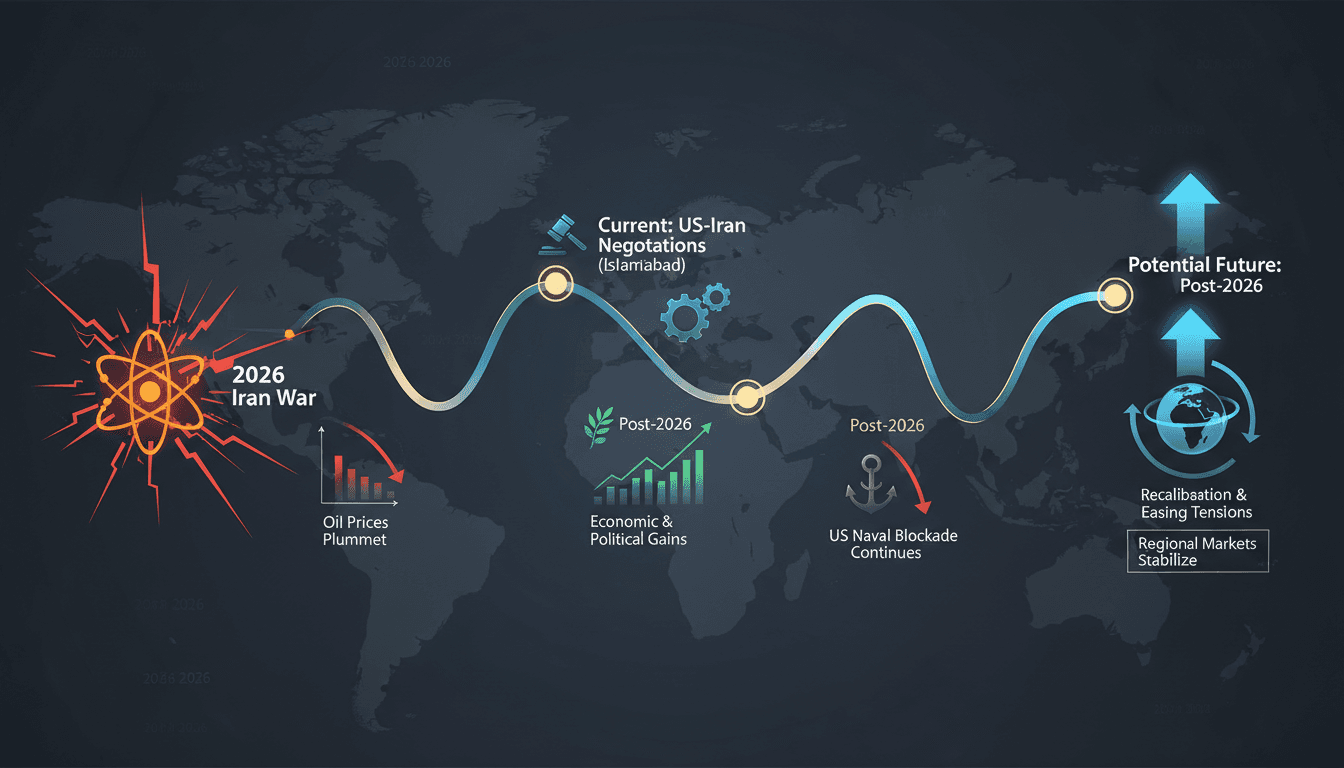
Here's what it means for you.
The outcome of these negotiations could reshape global energy markets and security dynamics, impacting your investments and geopolitical stability.
Why it matters
The potential easing of Iran's nuclear stance could lead to a significant shift in oil prices and regional security, affecting economies worldwide.
What happened (in 30 seconds)
- April 12: US-Iran talks in Islamabad collapse over US demands for an end to uranium enrichment.
- April 14: Speculation arises that Iran may soften its nuclear red lines to secure economic gains post-war.
- April 14: President Trump warns of escalation unless Iran concedes, as a US naval blockade of Iranian ports is enforced.
The context you actually need
- February 28, 2026: The 2026 Iran War begins with nearly 900 US-Israeli strikes targeting Iran's nuclear capabilities, resulting in significant casualties and infrastructure damage.
- April 7-8, 2026: A two-week ceasefire brokered by Pakistan temporarily halts hostilities, but negotiations quickly falter due to conflicting demands.
- April 13, 2026: The US enforces a blockade on Iranian ports, exacerbating tensions and prompting Iran to demand reparations.
What's really happening
The backdrop of the 2026 Iran War has created a complex landscape for US-Iran negotiations. Following the initial strikes on February 28, which decimated key Iranian military and nuclear sites, the geopolitical stakes have escalated dramatically. The US and its allies, particularly Israel, aimed to dismantle Iran's nuclear ambitions, but the conflict has only intensified Iran's resolve to maintain its enrichment capabilities.
The failed talks on April 12 highlighted the stark divide between US expectations and Iran's willingness to compromise. The US demands for a complete cessation of uranium enrichment and the dismantling of proxy funding networks were met with Iran's offer of a mere five-year suspension. This disparity underscores the fundamental challenge in reaching a diplomatic resolution.
As the US enforces a blockade on Iranian ports, the economic ramifications are severe. The blockade halts vital shipping routes, leading to increased oil prices and food shortages in the region. For Dubai, the impact is palpable, with over 4,000 daily flight cancellations and significant spikes in food prices due to disrupted imports. This economic strain could push Iran to reconsider its nuclear stance, as the regime seeks to consolidate its post-war gains and stabilize its economy.
Iran's leadership, facing internal pressures and the need to maintain legitimacy, may view softening its nuclear red lines as a strategic move to alleviate economic hardships. The prospect of renewed negotiations offers a potential pathway to lift sanctions and restore trade, which could be crucial for Iran's recovery.
However, the US administration, led by President Trump, remains firm in its stance. The warning of escalation signals a willingness to maintain pressure on Iran, complicating the negotiation landscape. The interplay of military might and diplomatic engagement will shape the future of these talks, with both sides weighing the costs and benefits of their respective positions.
Who feels it first (and how)
- Energy Sector: Oil companies and investors will closely monitor price fluctuations and supply chain disruptions.
- Regional Economies: Countries reliant on Iranian oil imports, particularly in the Gulf, will experience immediate economic impacts.
- Global Markets: Investors in commodities and stocks will react to shifts in geopolitical stability and energy prices.
What to watch next
- Negotiation Outcomes: Watch for any announcements from the upcoming talks in Islamabad, as they will signal Iran's willingness to compromise and the US's response.
- Oil Price Movements: Monitor fluctuations in oil prices, particularly if Iran agrees to limit enrichment, which could stabilize or lower prices.
- Regional Security Developments: Keep an eye on military movements and statements from both the US and Iran, as escalations could lead to further conflict.
The US has imposed a naval blockade on Iranian ports, impacting trade and oil supply.
Iran may consider softening its nuclear red lines to secure economic relief and stabilize its regime.
The long-term effects of these negotiations on regional security and global oil markets remain uncertain.
Frequently Asked Questions
- Why it matters?
- The potential easing of Iran's nuclear stance could lead to a significant shift in oil prices and regional security, affecting economies worldwide.
- What happened (in 30 seconds)?
- April 12: US-Iran talks in Islamabad collapse over US demands for an end to uranium enrichment. April 14: Speculation arises that Iran may soften its nuclear red lines to secure economic gains post-war. April 14: President Trump warns of escalation unless Iran concedes, as a US naval blockade of Iranian ports is enforced.
- What's really happening?
- The backdrop of the 2026 Iran War has created a complex landscape for US-Iran negotiations. Following the initial strikes on February 28, which decimated key Iranian military and nuclear sites, the geopolitical stakes have escalated dramatically. The US and its allies, particularly Israel, aimed to dismantle Iran's nuclear ambitions, but the conflict has only intensified Iran's resolve to maintain its enrichment capabilities. The failed talks on April 12 highlighted the stark divide between US
- Who feels it first (and how)?
- Energy Sector: Oil companies and investors will closely monitor price fluctuations and supply chain disruptions. Regional Economies: Countries reliant on Iranian oil imports, particularly in the Gulf, will experience immediate economic impacts. Global Markets: Investors in commodities and stocks will react to shifts in geopolitical stability and energy prices.
- What to watch next?
- Negotiation Outcomes: Watch for any announcements from the upcoming talks in Islamabad, as they will signal Iran's willingness to compromise and the US's response. Oil Price Movements: Monitor fluctuations in oil prices, particularly if Iran agrees to limit enrichment, which could stabilize or lower prices. Regional Security Developments: Keep an eye on military movements and statements from both the US and Iran, as escalations could lead to further conflict.
Regional coverage and analysis focused on politics, diplomacy, and business across the Middle East.
"Al-Monitor is known for analytical reporting on Middle East politics and policy developments."
— A47 Editor
Survival first: Will Iran soften red lines in US talks to consolidate war gains?
Ahead of potential new negotiations with the United States, Iran has firmly stated that uranium enrichment on its territory is nonnegotiable, emphasizing its significance for national sovereignty and deterrence. This stance follows a recent round of ...
Global markets, investing, and macroeconomics from a premier financial newsroom.
"Bloomberg is respected for in-depth financial reporting and data-driven analysis."
— A47 Editor
What Next for the Middle East After US-Iran Talks Collapse
The recent peace talks between the United States and Iran in Pakistan ended without a deal after 21 hours of negotiations, jeopardizing a fragile ceasefire that had raised hopes for a resolution to the ongoing conflict. Vice President JD Vance confir...
Arabic-language coverage of international news and geopolitics.
"RT Arabic is a Russian state-funded outlet often criticized for promoting Kremlin-aligned narratives."
— A47 Editor
لحظة بلحظة.. فشل التوصل لاتفاق بإسلام آباد وسط فجوة في الملفات الكبرى و"عرض أمريكي أخير"
Negotiations in Islamabad have failed to reach an agreement, with the ball now in Iran's court as Washington departs with a final offer. Tehran has indicated that progress is contingent upon resolving complex issues, including the situation in the St...
International coverage from The Guardian's global desks.
"The Guardian is known for its progressive editorial stance and in-depth analysis."
— A47 Editor
Planeloads of negotiators and too little time: US and Iran’s 21 hours of talks
The recent negotiations between the United States and Iran in Islamabad lasted 21 hours but concluded without a peace agreement, highlighting the complexities of resolving a long-standing dispute over Iran's nuclear ambitions and regional tensions. D...
Arabic-language coverage of political affairs and current events.
"Okaz political coverage typically follows mainstream Saudi framing on national and regional affairs."
— A47 Editor
سيناريوهات ما بعد تعثر المفاوضات.. واشنطن - طهران.. عودة القتال أم تسوية هشة؟
The direct negotiations between the United States and Iran in Islamabad ended without an agreement, raising questions about the future, which may involve either escalation or a fragile calm. The failure was not unexpected, stemming from deep gaps in ...
International stories from NPR’s global desk.
"NPR is an American public media organization known for thoughtful reporting and a slightly left-leaning editorial tone."
— A47 Editor
U.S. and Iran fail to reach agreement during high-level talks in Islamabad
High-level talks between the United States and Iran in Islamabad concluded without reaching a peace agreement after 21 hours of negotiations, marking a significant setback in efforts to resolve the ongoing conflict. U.S. Vice President JD Vance annou...
Arabic-language coverage of political affairs and current events.
"Okaz political coverage typically follows mainstream Saudi framing on national and regional affairs."
— A47 Editor
بعد محادثات إسلام آباد ..إيران ليست متعجلة ولا خطط لجولة جديدة من المفاوضات
Following the latest round of negotiations in Islamabad, Iran has indicated that it is not in a hurry to engage in further talks with the United States, especially after the discussions ended without any breakthroughs and mutual accusations regarding...
Arabic-language coverage of political affairs and current events.
"Okaz political coverage typically follows mainstream Saudi framing on national and regional affairs."
— A47 Editor
جولة بلا اختراق وخلافات حول مسألتين.. طهران: لم نتوقع التوصل لاتفاق
The recent round of negotiations between the United States and Iran in Islamabad concluded without reaching an agreement, despite a full day of discussions. Iranian Foreign Ministry spokesman Ismail Baqaei indicated that while some points were agreed...