
Projected Rise of Metabolic Dysfunction-Associated Steatotic Liver Disease to 1.8 Billion Cases by 2050
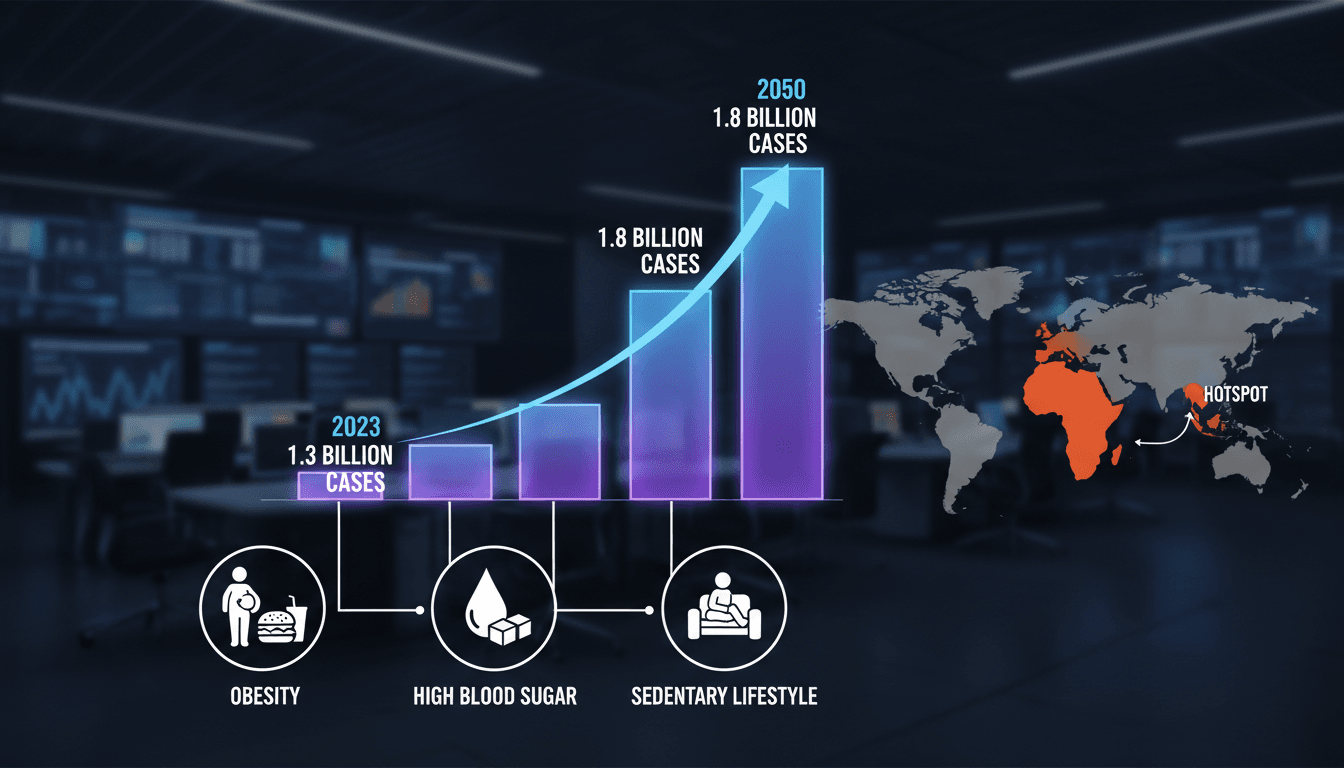
Here's what it means for you.
As metabolic dysfunction-associated steatotic liver disease (MASLD) cases surge, your health and lifestyle choices may face increasing scrutiny.
Why it matters
The projected rise in MASLD cases underscores a growing public health crisis that could strain healthcare systems and impact workforce productivity globally.
What happened (in 30 seconds)
- A new study published in The Lancet projects that MASLD will affect 1.8 billion people worldwide by 2050, up from 1.3 billion in 2023.
- Key risk factors include obesity, high blood sugar, and sedentary lifestyles, with the highest prevalence in regions like the Middle East and North Africa.
- Early detection is crucial, as MASLD often progresses without symptoms until advanced stages, highlighting the need for routine screenings.
The context you actually need
- MASLD, previously known as NAFLD, has emerged as a significant health concern amid rising obesity and diabetes rates since the 1990s.
- Geopolitical and socioeconomic factors, such as urbanization and dietary changes, have exacerbated the condition's prevalence, particularly in developing regions.
- Current statistics show a 143% increase in MASLD cases since 1990, affecting 16.1% of the global population, with men aged 35-39 and women aged 55-59 being the most affected demographics.
What's really happening
Metabolic dysfunction-associated steatotic liver disease (MASLD) is a condition characterized by the accumulation of fat in liver cells, independent of alcohol consumption. This condition has been on the rise, primarily due to escalating metabolic risk factors such as obesity, type 2 diabetes, and high blood sugar levels. The recent study published in The Lancet Gastroenterology & Hepatology highlights a staggering projection: nearly 1.8 billion individuals will be affected by MASLD by 2050, a significant increase from the current 1.3 billion cases reported in 2023.
The underlying mechanisms driving this epidemic are multifaceted. Urbanization and lifestyle changes have led to increased consumption of high-sugar processed foods and a decline in physical activity. These factors contribute to metabolic dysregulation, which is the primary driver of MASLD. The condition often progresses asymptomatically, meaning many individuals remain unaware of their liver health until it reaches advanced stages, where symptoms like fatigue and abdominal pain become apparent.
The implications of this projected rise in MASLD cases are profound. As the global population continues to grow, the burden on healthcare systems will intensify, necessitating increased resources for prevention, diagnosis, and treatment. The economic impact could also be significant, as a healthier workforce is crucial for productivity. Countries with high obesity rates, particularly in the Middle East and North Africa, are at greater risk, as they already face elevated rates of type 2 diabetes and related health issues.
Moreover, the study emphasizes the importance of early detection through routine screenings. As awareness of MASLD grows, individuals may be encouraged to adopt healthier lifestyles, including improved diets and increased physical activity. This shift could potentially mitigate the projected rise in cases, but it requires a concerted effort from healthcare providers, policymakers, and individuals alike.
Who feels it first (and how)
- Healthcare providers: Increased demand for screenings and treatments for liver diseases.
- Employers: Potential loss in productivity due to health-related absences.
- Individuals: Those with existing metabolic conditions, particularly in high-risk regions like the Middle East.
- Public health officials: Need to implement preventive measures and awareness campaigns.
What to watch next
- Screening initiatives: Monitor the rollout of routine liver health screenings in high-risk populations, as early detection can significantly alter disease trajectories.
- Public health campaigns: Watch for increased efforts to promote healthier lifestyles, particularly in regions with high obesity rates, as these could influence MASLD prevalence.
- Research developments: Keep an eye on emerging studies that explore new treatments or interventions for MASLD, which could reshape management strategies.
MASLD is projected to affect 1.8 billion people by 2050, driven by rising obesity and metabolic disorders.
Increased public health initiatives will emerge to address the rising prevalence of MASLD.
The effectiveness of lifestyle interventions in reversing or preventing MASLD on a large scale remains to be fully understood.
Frequently Asked Questions
- Why it matters?
- The projected rise in MASLD cases underscores a growing public health crisis that could strain healthcare systems and impact workforce productivity globally.
- What happened (in 30 seconds)?
- A new study published in The Lancet projects that MASLD will affect 1.8 billion people worldwide by 2050, up from 1.3 billion in 2023. Key risk factors include obesity, high blood sugar, and sedentary lifestyles, with the highest prevalence in regions like the Middle East and North Africa. Early detection is crucial, as MASLD often progresses without symptoms until advanced stages, highlighting the need for routine screenings.
- What's really happening?
- Metabolic dysfunction-associated steatotic liver disease (MASLD) is a condition characterized by the accumulation of fat in liver cells, independent of alcohol consumption. This condition has been on the rise, primarily due to escalating metabolic risk factors such as obesity, type 2 diabetes, and high blood sugar levels. The recent study published in The Lancet Gastroenterology & Hepatology highlights a staggering projection: nearly 1.8 billion individuals will be affected by MASLD by 2050, a s
- Who feels it first (and how)?
- Healthcare providers: Increased demand for screenings and treatments for liver diseases. Employers: Potential loss in productivity due to health-related absences. Individuals: Those with existing metabolic conditions, particularly in high-risk regions like the Middle East. Public health officials: Need to implement preventive measures and awareness campaigns.
- What to watch next?
- Screening initiatives: Monitor the rollout of routine liver health screenings in high-risk populations, as early detection can significantly alter disease trajectories. Public health campaigns: Watch for increased efforts to promote healthier lifestyles, particularly in regions with high obesity rates, as these could influence MASLD prevalence. Research developments: Keep an eye on emerging studies that explore new treatments or interventions for MASLD, which could reshape management strateg
Arabic-language sports reporting covering UAE competitions and major international events.
"Emarat Al Youm sports coverage is mainstream and accessible, with strong emphasis on UAE and regional sport."
— A47 Editor
مرض صامت قد يصيب 1.8 مليار إنسان بحلول 2050 مرض صامت قد يصيب 1.8 مليار إنسان بحلول 2050
A recent scientific study has warned that metabolic liver diseases could escalate into a widespread global health crisis, with projections indicating that the number of affected individuals may reach 1.8 billion by 2050.
Arabic-language UAE newspaper coverage focused on domestic affairs, public institutions, business, society, and regional developments.
"Al Khaleej coverage generally reflects a mainstream UAE editorial lens with strong attention to public affairs, institutions, and regional developments."
— A47 Editor
الكبد الدهني يهدد 1.8 مليار شخص بحلول 2050
A recent study by researchers from the University of Washington reveals that metabolic-associated fatty liver disease is projected to worsen globally, with an estimated 1.8 billion individuals affected by 2050, driven by rising obesity rates and bloo...
Pan-Arab news coverage spanning politics, business, sports, and regional affairs.
"Asharq Al-Awsat reflects a broad Arab editorial perspective with strong attention to regional geopolitics."
— A47 Editor
1.8 مليار شخص مهددون بالإصابة بأمراض الكبد الأيضية بحلول 2050
A recent study indicates that metabolic liver diseases are projected to affect 1.8 billion people worldwide by 2050, largely due to rising rates of obesity and diabetes. This alarming statistic highlights a growing public health crisis that could hav...