
Japan Commits Non-Military Support for Strait of Hormuz Security Amid U.S.-Iran Tensions
Here's what it means for you.
As global oil prices surge, your energy costs may rise, impacting both personal budgets and business operations.
Why it matters
The stability of the Strait of Hormuz is crucial for global oil supply, affecting markets and economies worldwide.
What happened (in 30 seconds)
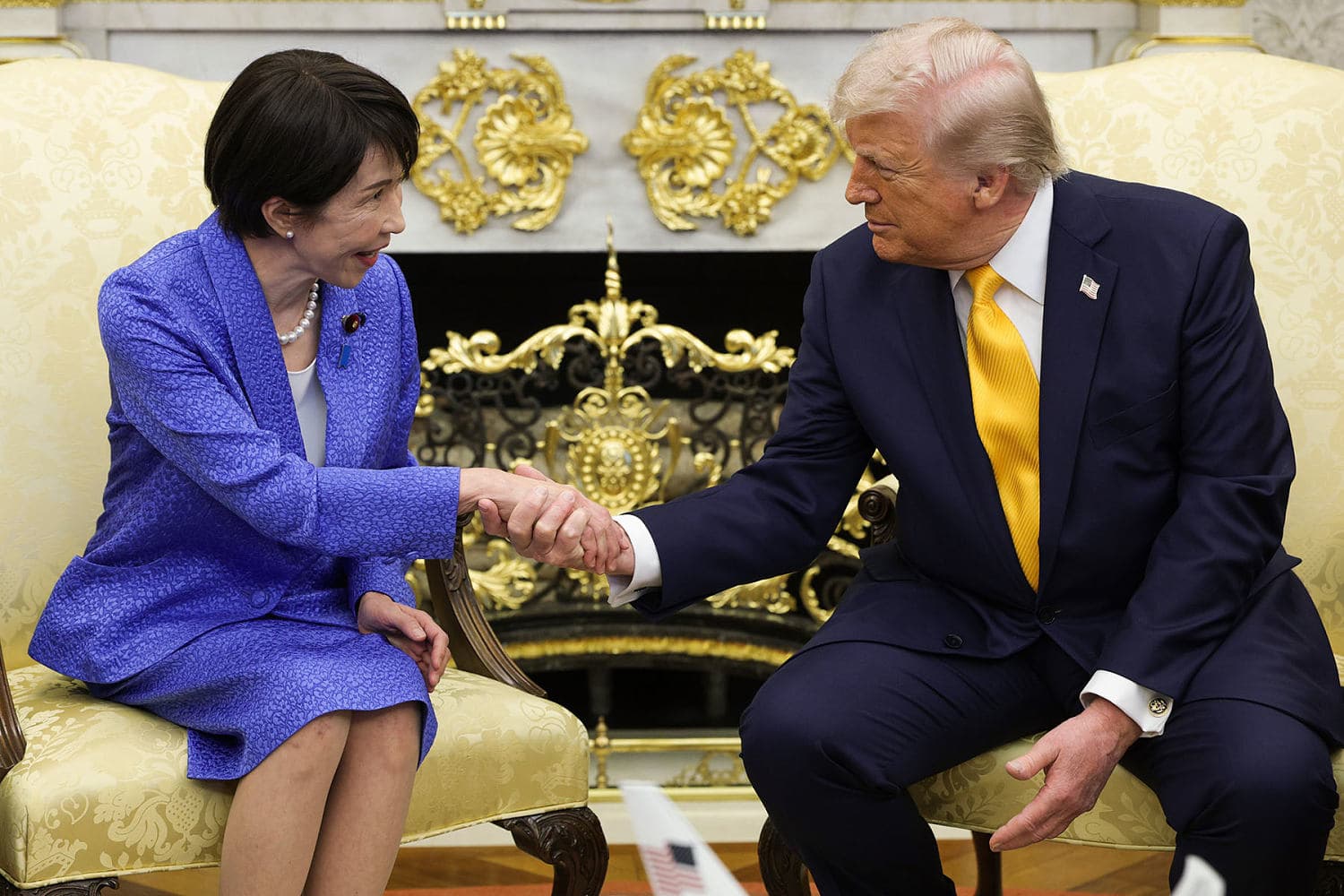
- Japanese Prime Minister Sanae Takaichi met U.S. President Donald Trump on March 19, 2026, amid escalating tensions in the Middle East.
- Japan pledged non-military support for securing the Strait of Hormuz, crucial for its oil imports, while facing domestic opposition.
- Global oil prices surged approximately 50% since the onset of the U.S.-Israeli conflict with Iran, raising concerns over energy security.
The context you actually need
- U.S.-Israeli strikes on Iran began on February 28, 2026, leading to Iran's closure of the Strait of Hormuz, a vital shipping route for oil.
- Japan relies heavily on the Middle East for crude oil, importing nearly all of its supply, making it particularly vulnerable to disruptions.
- Takaichi's administration is navigating constitutional constraints on military action and domestic opposition to involvement in the Middle East.
What's really happening
The meeting between Takaichi and Trump highlights a complex interplay of geopolitical dynamics and energy security concerns. Since the U.S. and Israeli military strikes on Iran began on February 28, 2026, the situation in the Middle East has escalated dramatically. Iran's closure of the Strait of Hormuz has not only disrupted global oil shipments but also intensified the urgency for allied nations to respond. Japan, which imports nearly all of its crude oil from this region, faces acute energy vulnerabilities.
Takaichi's administration, which is relatively new and led by Japan's first female Prime Minister, is under pressure to balance international obligations with domestic sentiment. The meeting was described as "very difficult," reflecting the tension between Japan's constitutional limitations on military engagement and the need for a robust response to the crisis. Japan's commitment to release 80 million barrels from its strategic reserves indicates a serious attempt to stabilize its energy supply, but this is a temporary measure. The reserves provide only a 45-day supply, emphasizing the urgency of the situation.
The joint statement issued with European allies demonstrates a collective approach to ensuring safe passage through the Strait of Hormuz, but without military involvement. This reflects Japan's historical reluctance to engage militarily in foreign conflicts, a stance that is deeply rooted in its post-World War II constitution. However, the pressure from the U.S. for Japan to step up its support in the region is palpable, especially as Trump emphasized the need for coalition support during their discussions.
The aftermath of the meeting has seen mixed reactions. Trump's quip referencing Pearl Harbor has drawn criticism in Japan, highlighting the sensitivity surrounding historical events and their implications for current diplomacy. The backlash from Japanese media and opposition figures underscores the challenges Takaichi faces in navigating public opinion while maintaining strong ties with the U.S.
As global oil prices have surged by approximately 50% since late February, the implications for energy markets are significant. The UAE and Gulf states are also feeling the pressure, urging de-escalation while supporting efforts to secure the Strait of Hormuz. This situation is likely to impact not only Japan but also global markets, as energy prices continue to rise in response to geopolitical tensions.
Who feels it first (and how)
- Consumers: Higher fuel and grocery prices due to increased transportation costs.
- Businesses: Increased operational costs, particularly in energy-intensive sectors.
- Energy markets: Traders and investors reacting to volatility in oil prices.
- Japanese government: Facing domestic backlash over foreign policy decisions.
- UAE and Gulf states: Economic impacts from reduced oil output and heightened security concerns.
What to watch next
- Oil price fluctuations: Continued volatility in oil prices will affect global markets and consumer costs.
- Japan's domestic response: Watch for public sentiment and political reactions to Takaichi's foreign policy decisions.
- U.S.-Japan relations: Future diplomatic engagements will reveal how both nations navigate their strategic partnership amid regional tensions.
Japan's reliance on Middle Eastern oil makes it vulnerable to supply disruptions.
Continued pressure on Japan to enhance its role in international security efforts.
The long-term implications of rising oil prices on global economies and consumer behavior.
Frequently Asked Questions
- Why it matters?
- The stability of the Strait of Hormuz is crucial for global oil supply, affecting markets and economies worldwide.
- What happened (in 30 seconds)?
- Japanese Prime Minister Sanae Takaichi met U.S. President Donald Trump on March 19, 2026, amid escalating tensions in the Middle East. Japan pledged non-military support for securing the Strait of Hormuz, crucial for its oil imports, while facing domestic opposition. Global oil prices surged approximately 50% since the onset of the U.S.-Israeli conflict with Iran, raising concerns over energy security.
- What's really happening?
- The meeting between Takaichi and Trump highlights a complex interplay of geopolitical dynamics and energy security concerns. Since the U.S. and Israeli military strikes on Iran began on February 28, 2026, the situation in the Middle East has escalated dramatically. Iran's closure of the Strait of Hormuz has not only disrupted global oil shipments but also intensified the urgency for allied nations to respond. Japan, which imports nearly all of its crude oil from this region, faces acute energy v
- Who feels it first (and how)?
- Consumers: Higher fuel and grocery prices due to increased transportation costs. Businesses: Increased operational costs, particularly in energy-intensive sectors. Energy markets: Traders and investors reacting to volatility in oil prices. Japanese government: Facing domestic backlash over foreign policy decisions. UAE and Gulf states: Economic impacts from reduced oil output and heightened security concerns.
- What to watch next?
- Oil price fluctuations: Continued volatility in oil prices will affect global markets and consumer costs. Japan's domestic response: Watch for public sentiment and political reactions to Takaichi's foreign policy decisions. U.S.-Japan relations: Future diplomatic engagements will reveal how both nations navigate their strategic partnership amid regional tensions.
24/7 international news from a French perspective in multiple languages.
"France 24 is viewed as a globally focused outlet with balanced coverage and a European perspective."
— A47 Editor
Japan's PM walks tightrope in high-stakes Washington visit
Japanese Prime Minister Sanae Takaichi visited Washington to strengthen ties with the United States, amidst increasing pressure from President Donald Trump for allies to assist in the Iran conflict. The meeting highlighted Japan's delicate position r...
Capitol Hill news, legislation, and policy insight.
"The Hill specializes in U.S. politics and policy, with a focus on Capitol Hill developments and a reputation for insider reporting."
— A47 Editor
Watch live: Trump hosts White House dinner with Japanese PM Sanae Takaichi
President Donald Trump hosted Japanese Prime Minister Sanae Takaichi for a White House dinner following a bilateral meeting where Trump made a controversial remark about Japan's historical attack on Pearl Harbor. This event marks a significant diplom...
Comprehensive coverage of global events, politics, and international issues.
"NBC News is a mainstream outlet known for comprehensive national and international coverage with a centrist to slightly left-leaning editorial tone."
— A47 Editor
Japanese leader faces a difficult meeting with Trump as he presses for help with Iran
Japanese leader Sanae Takaichi is set to meet with U.S. President Donald Trump to seek assistance regarding Iran, amidst rising tensions in the Middle East. This meeting comes at a time when Trump has expressed frustration with allies, particularly o...
International stories from NPR’s global desk.
"NPR is an American public media organization known for thoughtful reporting and a slightly left-leaning editorial tone."
— A47 Editor
Japan's prime minister visits the White House under shadow of Iran war
Japan's Prime Minister Sanae Takaichi visited the White House, marking the first visit by a U.S. ally since President Trump requested assistance in patrolling the Strait of Hormuz amid escalating tensions with Iran. This visit comes as Japan faces ch...
Policy, elections, and government reporting.
"NPR is an American public media organization known for thoughtful reporting and a slightly left-leaning editorial tone."
— A47 Editor
Japan's prime minister visits the White House under shadow of Iran war
Japan's Prime Minister Sanae Takaichi visited the White House, marking the first visit by a U.S. ally since President Trump requested assistance in patrolling the Strait of Hormuz amid escalating tensions with Iran. This visit comes as Japan faces ch...
International stories from NPR’s global desk.
"NPR is an American public media organization known for thoughtful reporting and a slightly left-leaning editorial tone."
— A47 Editor
Japan's PM to visit Trump as president continues pleas for help with Strait of Hormuz
Japan's Prime Minister Sanae Takaichi is set to visit the White House, marking her first official meeting with President Donald Trump, who has been urging allies, including Japan, to send warships to the Strait of Hormuz amid rising tensions with Ira...
Major U.S. developments and regional news.
"ABC News delivers broad national coverage with a mainstream editorial stance, focusing on accessibility and balanced reporting."
— A47 Editor
Japan's Prime Minister Takaichi meets with Trump as he seeks help securing the Strait of Hormuz
Japanese Prime Minister Sanae Takaichi met with President Donald Trump at the White House, seeking assistance in securing the Strait of Hormuz amid rising tensions with Iran that threaten shipping routes crucial for Japan's oil supply. This meeting c...