
Over 70 Organizations Urge Meta to Halt Facial Recognition in Smart Glasses
Here's what it means for you.
The potential rollout of facial recognition technology in smart glasses could reshape privacy norms and personal safety in public spaces.
Why it matters
This warning highlights the ongoing tension between technological innovation and civil liberties, particularly in the realm of personal privacy.
What happened (in 30 seconds)
- Over 70 organizations sent a letter to Meta CEO Mark Zuckerberg, urging the company to abandon its facial recognition feature in smart glasses.
- The feature, called 'Name Tag,' would allow wearers to identify strangers silently, raising concerns about its misuse by predators and stalkers.
- Meta acknowledged the concerns but stated that any rollout would be approached thoughtfully, without committing to abandoning the plans.
The context you actually need
- Meta's history with facial recognition includes significant legal settlements totaling over $7 billion for privacy violations, indicating a troubled relationship with user data.
- The 'Name Tag' feature was internally discussed in May 2025, with plans leaked to the public in February 2026, prompting widespread backlash from civil rights groups.
- The glasses are already available in markets like Dubai, where they could impact local privacy standards and consumer behavior.
What's really happening
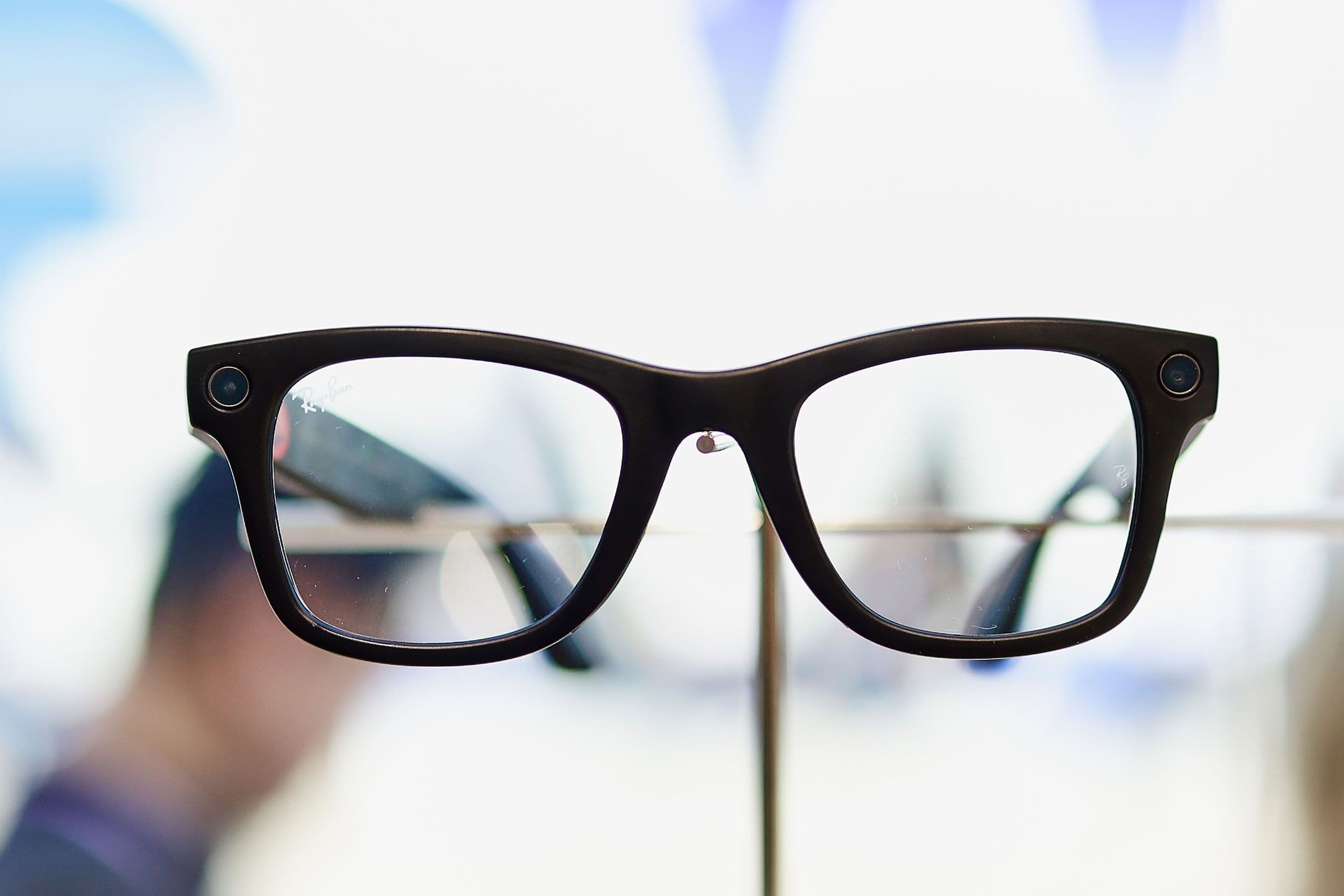
The controversy surrounding Meta's planned facial recognition feature in Ray-Ban and Oakley smart glasses is a microcosm of broader societal debates about privacy, surveillance, and technology's role in daily life. The feature, known internally as 'Name Tag,' would enable users to identify individuals in their vicinity through AI algorithms linked to Meta's platforms, such as Instagram. This capability raises significant concerns, particularly among advocacy groups focused on civil liberties, domestic violence, and privacy rights.
The coalition of over 70 organizations, including prominent groups like the ACLU and EPIC, argues that this technology could empower sexual predators, stalkers, and abusers, creating a dangerous environment for vulnerable populations. The potential for misuse is particularly acute in public spaces where individuals seek anonymity, such as protests, clinics, and support groups. The letter sent to Zuckerberg emphasizes that the feature could lead to increased harassment and surveillance, particularly for marginalized communities, including immigrants and LGBTQ+ individuals.
Meta's response to the backlash has been to acknowledge that competitors offer similar features, suggesting a reluctance to abandon the technology entirely. This stance reflects a broader industry trend where companies prioritize innovation and market competition over ethical considerations. The company's history with facial recognition is fraught with legal challenges, including a $5 billion settlement with the FTC in 2019 and a $2 billion settlement related to biometric privacy lawsuits in Illinois and Texas. These past experiences have not deterred Meta from pursuing new technologies that could further complicate its relationship with privacy advocates.
The rollout of the 'Name Tag' feature is not just a technical decision; it represents a significant cultural shift in how society views privacy and surveillance. As smart glasses become more integrated into daily life, the implications of their features extend beyond individual users to affect societal norms around consent and public safety. The ongoing discourse surrounding this issue highlights the need for a more nuanced understanding of the balance between technological advancement and the protection of civil liberties.
Who feels it first (and how)
- Civil liberties organizations: Increased advocacy and potential legal challenges against Meta.
- Victims of abuse: Heightened risks in public spaces, leading to potential harm and trauma.
- Tech consumers: Shifts in purchasing decisions based on privacy concerns, particularly in markets like Dubai.
What to watch next
- Regulatory responses: Monitor for any new legislation or regulations aimed at governing facial recognition technology and privacy standards.
- Public sentiment: Watch for shifts in consumer attitudes towards smart glasses and privacy, particularly in response to advocacy campaigns.
- Meta's strategic decisions: Keep an eye on any announcements from Meta regarding the future of the 'Name Tag' feature and its commitment to user privacy.
Over 70 organizations have formally opposed Meta's facial recognition plans.
Increased public discourse and advocacy efforts surrounding privacy and surveillance technologies.
The long-term impact on Meta's market position and consumer trust in its products.
Frequently Asked Questions
- Why it matters?
- This warning highlights the ongoing tension between technological innovation and civil liberties, particularly in the realm of personal privacy.
- What happened (in 30 seconds)?
- Over 70 organizations sent a letter to Meta CEO Mark Zuckerberg, urging the company to abandon its facial recognition feature in smart glasses. The feature, called 'Name Tag,' would allow wearers to identify strangers silently, raising concerns about its misuse by predators and stalkers. Meta acknowledged the concerns but stated that any rollout would be approached thoughtfully, without committing to abandoning the plans.
- What's really happening?
- The controversy surrounding Meta's planned facial recognition feature in Ray-Ban and Oakley smart glasses is a microcosm of broader societal debates about privacy, surveillance, and technology's role in daily life. The feature, known internally as 'Name Tag,' would enable users to identify individuals in their vicinity through AI algorithms linked to Meta's platforms, such as Instagram. This capability raises significant concerns, particularly among advocacy groups focused on civil liberties, do
- Who feels it first (and how)?
- Civil liberties organizations: Increased advocacy and potential legal challenges against Meta. Victims of abuse: Heightened risks in public spaces, leading to potential harm and trauma. Tech consumers: Shifts in purchasing decisions based on privacy concerns, particularly in markets like Dubai.
- What to watch next?
- Regulatory responses: Monitor for any new legislation or regulations aimed at governing facial recognition technology and privacy standards. Public sentiment: Watch for shifts in consumer attitudes towards smart glasses and privacy, particularly in response to advocacy campaigns. Meta's strategic decisions: Keep an eye on any announcements from Meta regarding the future of the 'Name Tag' feature and its commitment to user privacy.
Photography news including AI tools and ethics.
"Covers AI’s impact on imaging and creative workflows."
— A47 Editor
Meta Urged to Abandon Facial Recognition Plans for Ray-Ban Glasses
More than 70 advocacy organizations have urged Meta to abandon its plans to incorporate facial recognition technology into its upcoming Ray-Ban smart glasses, citing significant risks to privacy and public safety. This call comes as Meta prepares to ...
Consumer tech news, reviews, and buying guides for gadgets and electronics.
"TechRadar is known for comprehensive buying advice, hardware reviews, and consumer tech news targeted at mainstream audiences."
— A47 Editor
Your Meta Ray-Ban smart glasses don’t have facial recognition yet, and over 70 privacy advocacy organizations want it to stay that way
Privacy advocates have called on Meta to abandon its proposed Name Tag feature for the Ray-Ban smart glasses, which would enable facial recognition technology. Over 70 privacy advocacy organizations have expressed concerns about the potential risks a...
Future-focused tech headlines including AI breakthroughs.
"Consumer-friendly future-tech site with frequent AI coverage."
— A47 Editor
Huge Group of Experts Warns Meta That Its Pervert Glasses Will Enable Terrible Crimes
A coalition of over 70 organizations has issued a warning to Meta regarding its new AI smart glasses, expressing concerns that the facial recognition technology embedded in the glasses could facilitate crimes against vulnerable populations, including...
Consumer technology news with AI coverage.
"Gadget and tech site reporting on AI in products."
— A47 Editor
Meta warned by dozens of organizations that facial recognition on its smart glasses would empower predators
Dozens of civil rights organizations have expressed serious concerns to Meta CEO Mark Zuckerberg regarding the company's plans to integrate facial recognition technology into its smart glasses. Over 70 groups, including the ACLU and Fight for the Fut...
Covers consumer technology, electronics, gadgets, and product reviews.
"Engadget is a trusted source for gadget reviews and consumer tech news, known for its hands-on analysis and industry coverage."
— A47 Editor
Meta warned by dozens of organizations that facial recognition on its smart glasses would empower predators
Dozens of civil rights organizations have expressed serious concerns to Meta CEO Mark Zuckerberg regarding the company's plans to integrate facial recognition technology into its smart glasses. Over 70 groups, including the ACLU and Fight for the Fut...
Latest WIRED coverage of AI.
"WIRED covers AI at the intersection of tech, culture, and policy."
— A47 Editor
Meta Is Warned That Facial Recognition Glasses Will Arm Sexual Predators
More than 70 organizations, including the ACLU and Fight for the Future, have raised alarms regarding Meta's AI smart glasses, warning that their facial recognition capabilities could empower sexual predators and endanger vulnerable groups such as ab...
Emerging technologies, digital transformation, IT, and cultural impact of tech.
"WIRED covers the intersection of technology, culture, and politics with a progressive, forward-looking editorial stance."
— A47 Editor
Meta Is Warned That Facial Recognition Glasses Will Arm Sexual Predators
More than 70 organizations, including the ACLU and Fight for the Future, have raised alarms regarding Meta's AI smart glasses, warning that their facial recognition capabilities could empower sexual predators and endanger vulnerable groups such as ab...