
Trump Administration Launches Global Lobbying for 'Trade Over Aid' UN Declaration
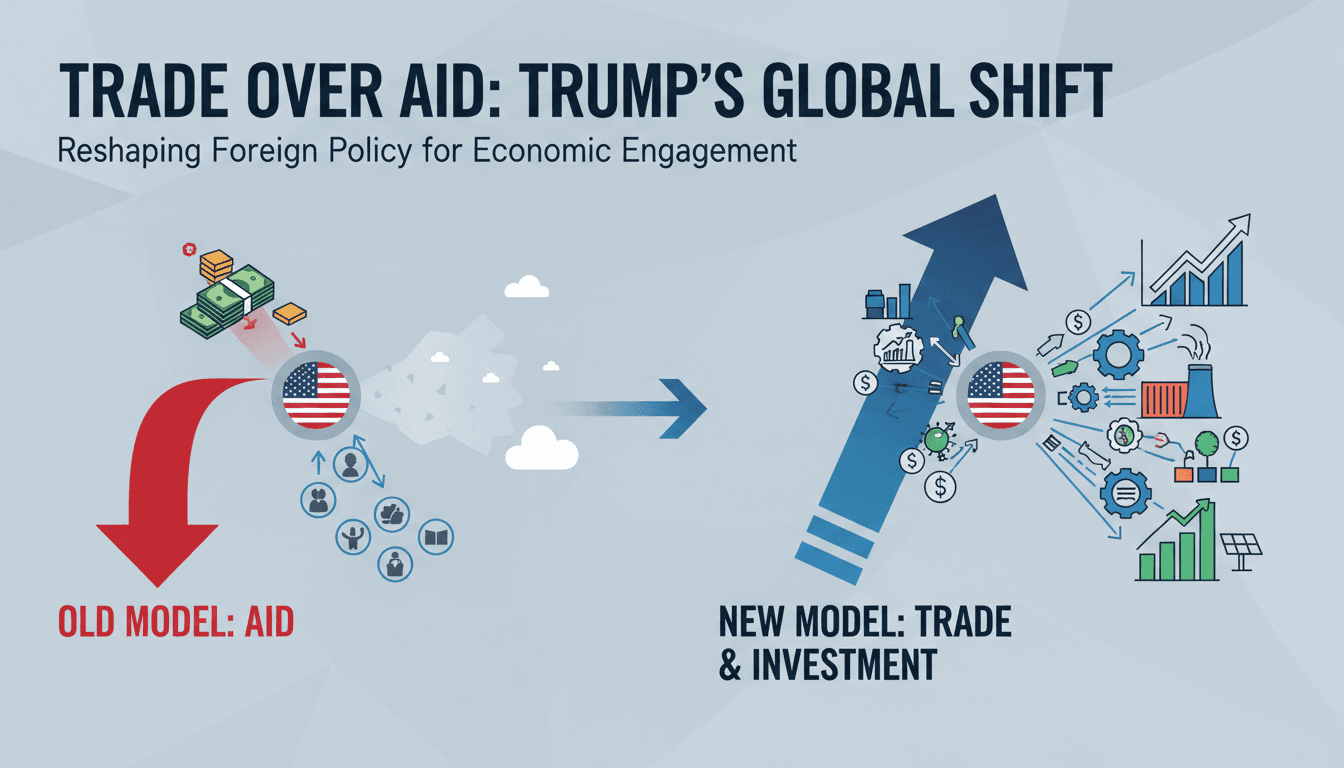
Here's what it means for you.
If you’re in the business sector, this initiative could open new markets and investment opportunities.
Why it matters
This shift in U.S. foreign policy could redefine global development strategies, impacting economies reliant on traditional aid.
What happened (in 30 seconds)
- On April 15, 2026, U.S. Secretary of State Marco Rubio directed diplomats to secure global support for a 'trade over aid' declaration at the UN.
- The initiative aims to transition from foreign aid to trade and private investment, aligning with 'America First' principles.
- Signatures are due by April 20, 2026, ahead of a planned launch event at the end of the month.
The context you actually need
- The 'trade over aid' initiative builds on previous efforts by the Trump administration to cut ineffective foreign aid and promote U.S. business interests.
- Critics argue that this approach risks exacerbating crises in regions dependent on aid, while supporters claim it fosters economic independence.
- The U.S. remains the largest donor of foreign aid, disbursing $62 billion in 2023, highlighting the significance of this policy shift.
What's really happening
The Trump administration's 'trade over aid' initiative represents a fundamental shift in how the U.S. engages with global development. Following President Trump's second-term inauguration, the administration undertook a comprehensive review of foreign aid programs, identifying many as ineffective or misaligned with U.S. interests. This led to significant cuts and freezes in aid allocations, particularly targeting programs that were deemed to foster dependency or corruption.
On April 15, 2026, Secretary Rubio's diplomatic cable set the stage for a lobbying campaign aimed at securing international support for a UN declaration that would formally reject traditional aid models in favor of trade and investment. The initiative is designed to align with the 'America First' doctrine, which prioritizes U.S. economic interests and seeks to create new opportunities for American businesses abroad.
The core argument for this shift is that trade and private investment can lead to sustainable economic growth, reducing the need for ongoing aid. By promoting pro-business reforms and encouraging private sector engagement, the administration aims to create jobs and stimulate economic activity in developing countries. This approach is also seen as a response to geopolitical shifts that emphasize economic security over humanitarian assistance.
However, the initiative has faced significant backlash from humanitarian organizations and critics who argue that it prioritizes corporate profits over the needs of vulnerable populations. Groups like Oxfam and the Rockefeller Foundation have condemned the move, warning that it could lead to increased suffering in regions that rely heavily on aid. In contrast, State Department officials defend the initiative as a proven pathway to prosperity, citing the U.S.'s historical generosity while criticizing the inefficiencies associated with NGOs.
As the U.S. diplomats engage in lobbying efforts to secure signatures by April 20, the implications of this policy shift will likely reverberate through international development circles. The planned launch event at the UN later this month will serve as a critical moment for the administration to showcase its commitment to this new approach.
Who feels it first (and how)
- U.S. businesses: Potentially gain access to new markets and investment opportunities.
- Developing countries: May experience shifts in funding and support structures, impacting their economic strategies.
- Humanitarian organizations: Face challenges in securing funding and support for traditional aid programs.
- UAE and Dubai: As a pro-business U.S. ally, may see expanded trade opportunities, though aid programs could be affected.
What to watch next
- Signature collection progress: Monitoring which countries endorse the declaration will indicate global support levels and potential shifts in development policy.
- Reactions from humanitarian organizations: Their responses could influence public opinion and political pressure on the U.S. administration.
- Market reactions: Observing changes in investment flows and trade agreements in response to this initiative will provide insights into its effectiveness.
The U.S. is the largest foreign aid donor, disbursing $62 billion in 2023.
The initiative will face significant opposition from humanitarian organizations and could lead to changes in how aid is distributed globally.
The long-term impacts on developing countries and the effectiveness of trade as a substitute for aid remain to be seen.
Frequently Asked Questions
- Why it matters?
- This shift in U.S. foreign policy could redefine global development strategies, impacting economies reliant on traditional aid.
- What happened (in 30 seconds)?
- On April 15, 2026, U.S. Secretary of State Marco Rubio directed diplomats to secure global support for a 'trade over aid' declaration at the UN. The initiative aims to transition from foreign aid to trade and private investment, aligning with 'America First' principles. Signatures are due by April 20, 2026, ahead of a planned launch event at the end of the month.
- What's really happening?
- The Trump administration's 'trade over aid' initiative represents a fundamental shift in how the U.S. engages with global development. Following President Trump's second-term inauguration, the administration undertook a comprehensive review of foreign aid programs, identifying many as ineffective or misaligned with U.S. interests. This led to significant cuts and freezes in aid allocations, particularly targeting programs that were deemed to foster dependency or corruption. On April 15, 2026, S
- Who feels it first (and how)?
- U.S. businesses: Potentially gain access to new markets and investment opportunities. Developing countries: May experience shifts in funding and support structures, impacting their economic strategies. Humanitarian organizations: Face challenges in securing funding and support for traditional aid programs. UAE and Dubai: As a pro-business U.S. ally, may see expanded trade opportunities, though aid programs could be affected.
- What to watch next?
- Signature collection progress: Monitoring which countries endorse the declaration will indicate global support levels and potential shifts in development policy. Reactions from humanitarian organizations: Their responses could influence public opinion and political pressure on the U.S. administration. Market reactions: Observing changes in investment flows and trade agreements in response to this initiative will provide insights into its effectiveness.
News across North, Central, and South America including politics and economics.
"France 24 is viewed as a globally focused outlet with balanced coverage and a European perspective."
— A47 Editor
Trump administration to lobby allies to support 'trade over aid' push
The Trump administration is advocating for a global endorsement of a 'trade over aid' initiative at the United Nations, aiming to shift the focus from direct foreign assistance to promoting trade opportunities led by private enterprises. This policy ...
Editor-curated FT homepage stories spanning markets, business, world, and opinion.
"The Financial Times is a globally respected business publication with a centrist/center-left tone and strong markets focus."
— A47 Editor
Trump administration urges business partnerships instead of foreign aid
The Trump administration has launched a 'trade over aid' initiative, urging businesses to form partnerships rather than relying on traditional foreign aid, a move that has drawn criticism from the non-profit sector.
News from the United States including domestic politics, society, and culture.
"The Guardian is known for its progressive editorial stance and in-depth analysis, often advocating for social justice, environmental issues, and liberal values."
— A47 Editor
Trump officials urge other countries to join new ‘trade over aid’ push
The Trump administration is actively seeking international support for a new development policy initiative termed 'trade over aid,' which aims to shift focus from direct aid to developing nations towards enhancing trade opportunities led by private c...
Top international stories selected by The Guardian editors.
"The Guardian is known for its progressive editorial stance and in-depth analysis."
— A47 Editor
Trump officials urge other countries to join ‘trade over aid’ push
The Trump administration is actively seeking international support for a 'trade over aid' initiative, aiming to shift global development policy away from direct aid to developing countries and towards increased trade opportunities led by private comp...
Key macro releases (CPI, jobs, PMIs), surprise indexes, and market implications.
"Great for data-print awareness and instant read-through to rates and risk assets."
— A47 Editor
Trump administration to lobby allies to support ’trade over aid’ push, cable shows
The Trump administration is actively lobbying allies to support its 'trade over aid' initiative, which encourages businesses to establish partnerships instead of relying on traditional foreign aid, as revealed in a recent cable. This strategy aims to...
Pan-Arab news coverage spanning politics, business, sports, and regional affairs.
"Asharq Al-Awsat reflects a broad Arab editorial perspective with strong attention to regional geopolitics."
— A47 Editor
«أميركا أولاً» تفضل العلاقات التجارية على سياسة المساعدات
The Trump administration has called on countries worldwide to support a declaration advocating for the principle of 'trade instead of aid,' aligning with the 'America First' policy. This shift emphasizes a preference for commercial relationships over...