
Israeli Airstrike Targets Iran's South Pars Petrochemical Facility Amid Escalating Tensions
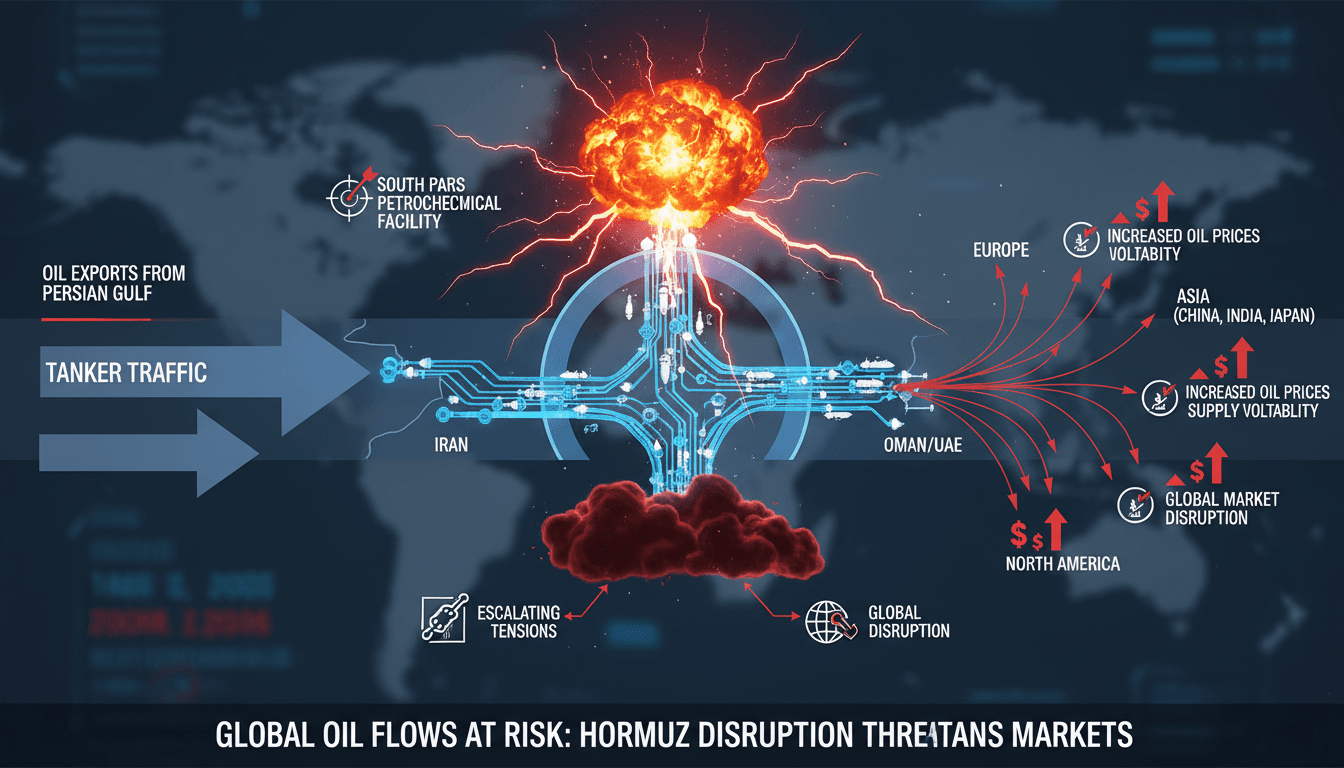
Here's what it means for you.
If you rely on global energy markets, the recent airstrike could lead to increased fuel prices and supply chain disruptions.
Why it matters
This escalation in the Middle East threatens to destabilize global oil supplies and increase energy costs worldwide.
What happened (in 30 seconds)
- On April 6, 2026, Israel launched an airstrike on Iran's South Pars petrochemical facility, a critical revenue source for the Iranian Revolutionary Guards.
- The attack coincided with a U.S. ultimatum for Iran to reopen the Strait of Hormuz, a vital shipping route for global oil.
- Iran's response included rejecting a ceasefire and warning of retaliation, further heightening regional tensions.
The context you actually need
- South Pars is crucial: It supplies nearly 80% of Iran's natural gas and is the world's largest gas field, shared with Qatar.
- Previous strikes: This was the second Israeli attack on South Pars facilities within three weeks, following a March 18 strike that led to Iranian retaliation against Qatari energy infrastructure.
- Market volatility: The closure of the Strait of Hormuz, through which one-fifth of global oil transits, has already caused significant price surges in oil markets.
What's really happening
The Israeli airstrike on the South Pars petrochemical facility is part of a broader strategy to undermine Iran's economic capabilities, particularly those that fund its military operations through the Islamic Revolutionary Guard Corps (IRGC). With the IRGC heavily involved in regional conflicts, including support for groups like Hezbollah and Hamas, Israel views these strikes as essential to its national security.
The timing of the attack was particularly significant, occurring just before a U.S. deadline for Iran to reopen the Strait of Hormuz. This closure has already disrupted global oil supplies, leading to a spike in Brent crude prices above $110 per barrel. The U.S. administration, under President Trump, has been vocal about its support for Israel's actions, framing them as necessary to maintain regional stability and protect international shipping routes.
The economic implications of the airstrike are profound. The two recent strikes on South Pars facilities have reportedly taken 85% of Iran's petrochemical exports out of service. This not only affects Iran's economy but also has ripple effects on global energy markets, as any disruption in supply can lead to increased prices and volatility.
Iran's immediate reaction included a rejection of a proposed 45-day ceasefire, demanding a permanent end to hostilities instead. This refusal signals a potential escalation in military responses, which could further destabilize the region. The Iranian leadership, including Supreme Leader Mojtaba Khamenei, has expressed solidarity with the IRGC, indicating that any losses will not go unanswered.
As the situation unfolds, the potential for retaliatory strikes against Israeli or U.S. interests in the region remains high. This could lead to a cycle of violence that further complicates diplomatic efforts and exacerbates tensions in an already volatile area.
Who feels it first (and how)
- Energy consumers: Increased fuel prices will impact households and businesses reliant on oil and gas.
- Investors in energy markets: Volatility in oil prices can affect stock portfolios, particularly those with significant energy sector exposure.
- Shipping companies: Disruptions in the Strait of Hormuz could lead to delays and increased costs for global shipping routes.
What to watch next
- Oil price fluctuations: Monitor Brent crude prices for signs of sustained increases due to geopolitical tensions.
- Iranian military responses: Watch for any retaliatory actions from Iran against Israeli or U.S. interests in the region.
- U.S. diplomatic moves: Keep an eye on any new U.S. policies or ultimatums regarding Iran and the Strait of Hormuz.
The airstrike has disrupted a significant portion of Iran's petrochemical exports.
Increased oil prices and market volatility will continue as tensions escalate.
The long-term impact on U.S.-Iran relations and potential for further military conflict remains uncertain.
Frequently Asked Questions
- Why it matters?
- This escalation in the Middle East threatens to destabilize global oil supplies and increase energy costs worldwide.
- What happened (in 30 seconds)?
- On April 6, 2026, Israel launched an airstrike on Iran's South Pars petrochemical facility, a critical revenue source for the Iranian Revolutionary Guards. The attack coincided with a U.S. ultimatum for Iran to reopen the Strait of Hormuz, a vital shipping route for global oil. Iran's response included rejecting a ceasefire and warning of retaliation, further heightening regional tensions.
- What's really happening?
- The Israeli airstrike on the South Pars petrochemical facility is part of a broader strategy to undermine Iran's economic capabilities, particularly those that fund its military operations through the Islamic Revolutionary Guard Corps (IRGC). With the IRGC heavily involved in regional conflicts, including support for groups like Hezbollah and Hamas, Israel views these strikes as essential to its national security. The timing of the attack was particularly significant, occurring just before a U
- Who feels it first (and how)?
- Energy consumers: Increased fuel prices will impact households and businesses reliant on oil and gas. Investors in energy markets: Volatility in oil prices can affect stock portfolios, particularly those with significant energy sector exposure. Shipping companies: Disruptions in the Strait of Hormuz could lead to delays and increased costs for global shipping routes.
- What to watch next?
- Oil price fluctuations: Monitor Brent crude prices for signs of sustained increases due to geopolitical tensions. Iranian military responses: Watch for any retaliatory actions from Iran against Israeli or U.S. interests in the region. U.S. diplomatic moves: Keep an eye on any new U.S. policies or ultimatums regarding Iran and the Strait of Hormuz.
Capitol Hill news, legislation, and policy insight.
"The Hill specializes in U.S. politics and policy, with a focus on Capitol Hill developments and a reputation for insider reporting."
— A47 Editor
Israel hits petrochemical plant in Iran ahead of Trump deadline
Israel conducted an airstrike on a major petrochemical plant in southern Iran, specifically targeting the South Pars facility, just before a deadline set by President Trump for Iran to reopen the Strait of Hormuz to shipping traffic. This military ac...
English-language reporting on Saudi politics, policy, and society.
"Saudi Gazette reflects mainstream Saudi institutional perspectives."
— A47 Editor
Israel attacks large Iranian petrochemical facility
Israel launched an attack on Iran's South Pars petrochemical complex, specifically targeting the Jam and Damavand facilities, which are crucial to Iran's energy and export infrastructure. Defense Minister Israel Katz stated that these sites account f...
Arabic-language UAE newspaper coverage focused on domestic affairs, public institutions, business, society, and regional developments.
"Al Khaleej coverage generally reflects a mainstream UAE editorial lens with strong attention to public affairs, institutions, and regional developments."
— A47 Editor
كاتس يعلن قصف أكبر منشأة بتروكيميائية في إيران
Israeli Defense Minister Yisrael Katz announced a significant strike on the largest petrochemical facility in Iran, located in Asaluyeh, which is responsible for approximately 50% of the country's petrochemical production. The attack reportedly affec...
Regional coverage and analysis focused on politics, diplomacy, and business across the Middle East.
"Al-Monitor is known for analytical reporting on Middle East politics and policy developments."
— A47 Editor
Israel hits Iran gas complex after Trump threat
Israeli airstrikes targeted Iran's largest petrochemical complex on Monday, following threats from U.S. President Donald Trump to strike civilian infrastructure if Iran does not reopen the Strait of Hormuz. The strikes also resulted in the death of a...