
Pakistan's Leaders Return After Diplomatic Efforts to Mediate US-Iran Peace Talks
Here's what it means for you.
Your business interests may be affected by shifts in oil prices and geopolitical stability as Pakistan mediates US-Iran relations.
Why it matters
The outcome of these negotiations could significantly influence global oil markets and regional security dynamics.
What happened (in 30 seconds)
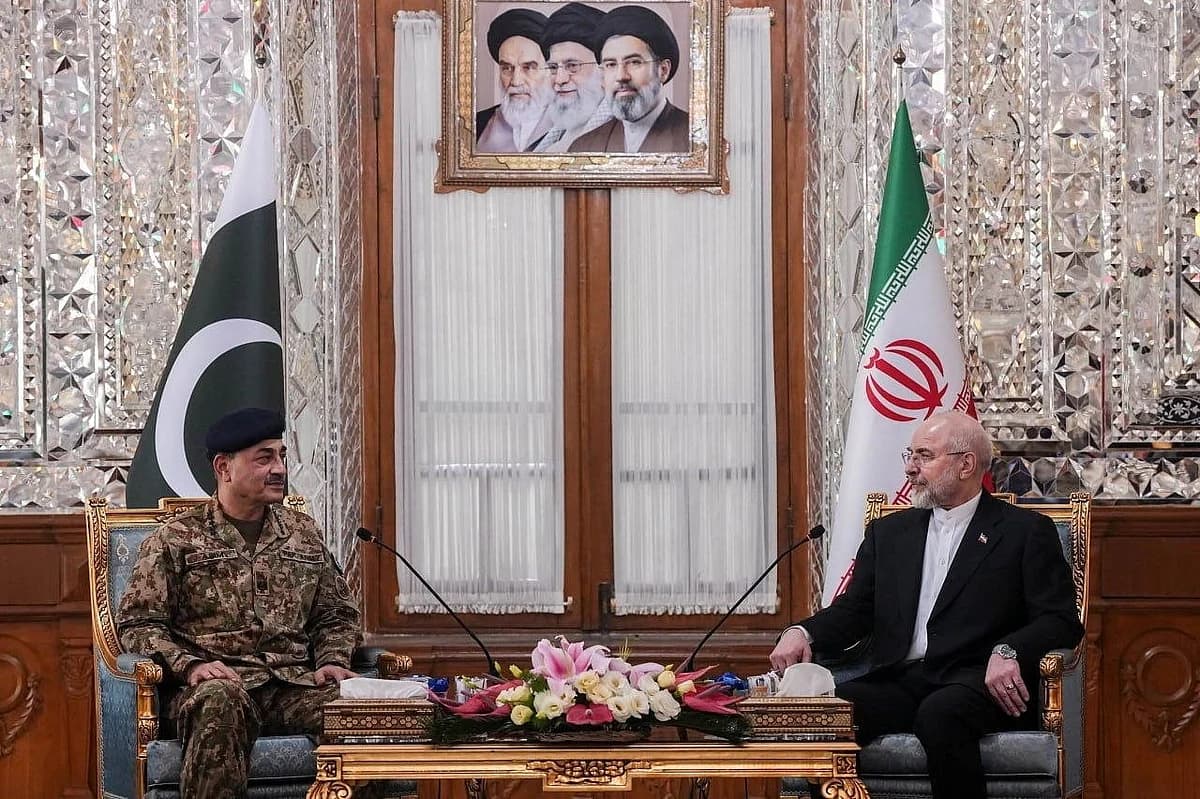
- Pakistan's Prime Minister Shehbaz Sharif and military chief Field Marshal Asim Munir concluded diplomatic missions aimed at mediating peace between the US and Iran.
- Sharif visited Saudi Arabia, Qatar, and Turkey while Munir engaged with Iranian leaders in Tehran, signaling a concerted effort to facilitate dialogue.
- A second round of US-Iran talks is expected in Islamabad, following a previous ceasefire mediated by Pakistan.
The context you actually need
- The US-Iran war began on February 28, 2026, following targeted strikes that killed Iran's Supreme Leader and thousands of others, escalating regional tensions.
- Pakistan previously mediated a two-week ceasefire, which ended on April 8, 2026, but initial talks in Islamabad concluded without an agreement.
- Iran's threats to close the Strait of Hormuz amid US blockades have raised concerns over global oil supply disruptions.
What's really happening
The diplomatic efforts led by Pakistan are rooted in a complex web of geopolitical interests and regional stability. The US-Iran conflict, ignited by the assassination of Iran's Supreme Leader, has not only destabilized the region but also threatened global oil supplies, given that the Strait of Hormuz is a critical chokepoint for oil transport. With over 3,000 casualties reported since the conflict began, the urgency for a resolution is palpable.
Field Marshal Asim Munir's visit to Tehran was strategic, aimed at engaging directly with Iranian leadership, including President Masoud Pezeshkian and key military figures. His discussions focused on de-escalation and the importance of dialogue, reflecting Pakistan's role as a mediator in a conflict that has far-reaching implications. Concurrently, Prime Minister Shehbaz Sharif's tour of Gulf states was designed to rally support for peace efforts, highlighting Pakistan's diplomatic clout in the region.
The backdrop of these negotiations is a precarious one. The US has imposed blockades on Iranian ports, while Iran has threatened to retaliate by closing the Strait of Hormuz, which could lead to a spike in global oil prices. The interconnectedness of these events means that any resolution or escalation will have immediate effects on markets and economies worldwide.
The positive reception of Sharif and Munir's efforts, including praise from US President Donald Trump, indicates a potential shift in diplomatic relations. The Pakistani National Assembly's commendation of the government's mediation efforts further solidifies this narrative. Market reactions have been optimistic, with the Pakistan Stock Exchange gaining nearly 2,900 points, reflecting investor confidence in a potential resolution.
As the second round of talks approaches, the stakes are high. The outcome will not only determine the future of US-Iran relations but also impact global oil prices, regional security, and the broader geopolitical landscape. The success of these negotiations could stabilize a volatile region and restore confidence in global markets, while failure could lead to further conflict and economic uncertainty.
Who feels it first (and how)
- Oil and gas companies: Fluctuations in oil prices directly impact profitability and operational costs.
- Investors in global markets: Stock market volatility is likely as peace prospects influence investor sentiment.
- Residents of Gulf states: Increased security concerns and economic impacts from potential disruptions in oil supply chains.
- Pakistani businesses: Economic stability in Pakistan may improve with successful mediation, boosting trade and investment opportunities.
What to watch next
- The outcome of the second round of US-Iran talks: Success could lead to a significant easing of tensions and stabilization of oil prices.
- Market reactions to diplomatic developments: Watch for fluctuations in the Pakistan Stock Exchange and global oil markets as news breaks.
- Iran's military posture in the region: Any aggressive moves could signal a breakdown in negotiations and escalate tensions.
The US-Iran conflict has resulted in significant casualties and regional instability.
The second round of talks in Islamabad will occur, with heightened global attention.
The long-term effectiveness of Pakistan's mediation efforts and the potential for lasting peace.
Frequently Asked Questions
- Why it matters?
- The outcome of these negotiations could significantly influence global oil markets and regional security dynamics.
- What happened (in 30 seconds)?
- Pakistan's Prime Minister Shehbaz Sharif and military chief Field Marshal Asim Munir concluded diplomatic missions aimed at mediating peace between the US and Iran. Sharif visited Saudi Arabia, Qatar, and Turkey while Munir engaged with Iranian leaders in Tehran, signaling a concerted effort to facilitate dialogue. A second round of US-Iran talks is expected in Islamabad, following a previous ceasefire mediated by Pakistan.
- What's really happening?
- The diplomatic efforts led by Pakistan are rooted in a complex web of geopolitical interests and regional stability. The US-Iran conflict, ignited by the assassination of Iran's Supreme Leader, has not only destabilized the region but also threatened global oil supplies, given that the Strait of Hormuz is a critical chokepoint for oil transport. With over 3,000 casualties reported since the conflict began, the urgency for a resolution is palpable. Field Marshal Asim Munir's visit to Tehran was
- Who feels it first (and how)?
- Oil and gas companies: Fluctuations in oil prices directly impact profitability and operational costs. Investors in global markets: Stock market volatility is likely as peace prospects influence investor sentiment. Residents of Gulf states: Increased security concerns and economic impacts from potential disruptions in oil supply chains. Pakistani businesses: Economic stability in Pakistan may improve with successful mediation, boosting trade and investment opportunities.
- What to watch next?
- The outcome of the second round of US-Iran talks: Success could lead to a significant easing of tensions and stabilization of oil prices. Market reactions to diplomatic developments: Watch for fluctuations in the Pakistan Stock Exchange and global oil markets as news breaks. Iran's military posture in the region: Any aggressive moves could signal a breakdown in negotiations and escalate tensions.
Breaking news and analysis from the UAE and Gulf region.
"Khaleej Times is a long-running UAE publication with broad regional coverage."
— A47 Editor
Pakistan PM, military chief head home after Iran war diplomacy blitz
Pakistan's Prime Minister Shehbaz Sharif and Army Chief Field Marshal Asim Munir have returned home after a diplomatic tour aimed at fostering peace with Iran amidst ongoing regional tensions. This initiative highlights Pakistan's role as a mediator ...
Pan-Arab political news and analysis.
"Al-Quds Al-Arabi is a London-based Arabic newspaper known for political coverage."
— A47 Editor
رئيس وزراء باكستان يختتم جولة دبلوماسية شملت ثلاث دول ضمن جهود إنهاء حرب إيران- (تدوينة)
Pakistani Prime Minister Shahbaz Sharif concluded a diplomatic tour that included three countries, aimed at efforts to end the U.S.-Israeli war on Iran. He announced the end of his visit to Turkey on social media, expressing positive sentiments about...
UAE-based newspaper covering Gulf politics, society, and international developments.
"Gulf News is one of the UAE’s most prominent English-language publications."
— A47 Editor
Pakistan PM, military chief complete three-country diplomatic tour aimed at Iran peace
Pakistan's Prime Minister Shehbaz Sharif and Army Chief Field Marshal Asim Munir have completed a diplomatic tour across three countries, focusing on fostering peace with Iran amid ongoing tensions in the region. This initiative comes as part of Paki...
A curated Gulf News feed featuring major stories across news, business, opinion, and lifestyle.
"Gulf News is a major UAE newspaper whose featured stories feed reflects a broad editorial mix shaped for a Gulf audience."
— A47 Editor
Pakistan PM, military chief complete three-country diplomatic tour aimed at Iran peace
Pakistan's Prime Minister Shehbaz Sharif and Army Chief Field Marshal Asim Munir have completed a diplomatic tour across three countries, focusing on fostering peace with Iran amid ongoing tensions in the region. This initiative comes as part of Paki...