
Gulf States Engage in Diplomatic Talks for Post-War Stability Following US-Iran Ceasefire
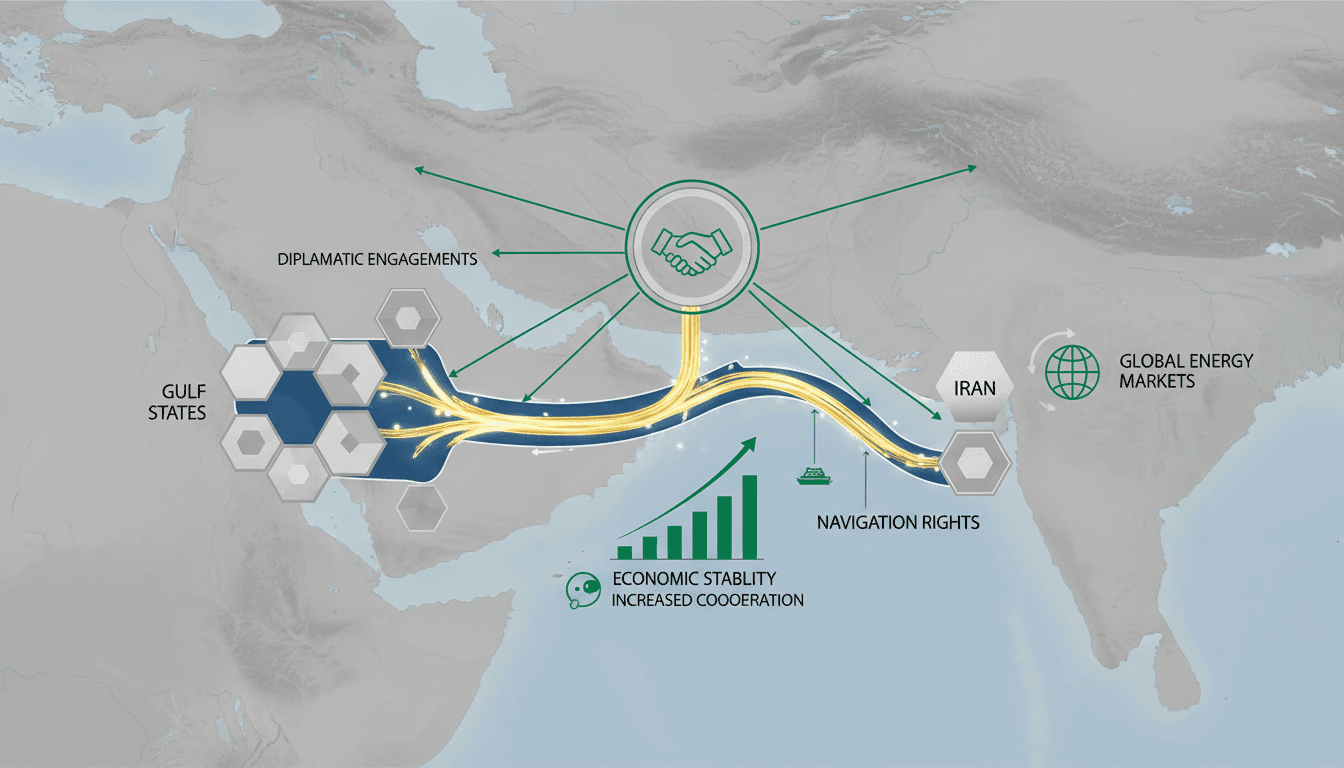
Here's what it means for you.
The evolving diplomatic landscape in the Gulf could impact global energy prices and trade routes, affecting your business operations and costs.
Why it matters
The Gulf's stability is crucial for global energy markets, influencing oil prices and international shipping routes.
What happened (in 30 seconds)
- Intense diplomatic discussions occurred on April 9–10, 2026, involving Gulf leaders and foreign ministers from Iran and Europe to address post-war stabilization.
- A two-week ceasefire was announced on April 8, following a 40-day conflict that disrupted the Strait of Hormuz, a vital global oil transit route.
- GCC states are prioritizing permanent security agreements to ensure freedom of navigation and regional stability.
The context you actually need
- The 2026 US-Iran war began on February 28, escalating tensions after US and Israeli strikes on Iranian targets led to Iranian retaliatory attacks on Gulf infrastructure.
- The Strait of Hormuz is critical, with 20% of the world's oil transiting through it, making its security a priority for global energy markets.
- Pre-war diplomacy failed to prevent escalation, prompting Gulf Cooperation Council (GCC) states to focus on post-conflict arrangements to ensure long-term stability.
What's really happening
The recent diplomatic engagements among Gulf states and their international counterparts signify a critical shift in the region's approach to security and stability. Following the announcement of a two-week ceasefire on April 8, 2026, the urgency for dialogue has intensified, with key players like Saudi Arabia, Iran, and Pakistan taking proactive steps to mitigate further conflict. The ceasefire, which came after a 40-day war that severely disrupted the Strait of Hormuz, has opened a window for discussions aimed at not just ending hostilities but also establishing a framework for lasting peace.
Saudi Foreign Minister Faisal bin Farhan's communication with Iranian counterpart Abbas Araghchi marked a significant thaw in relations, as it was their first direct contact since the conflict escalated. This dialogue is crucial, as it reflects a willingness to engage in discussions that could lead to de-escalation and a more stable regional environment. The involvement of external powers, such as France and Spain, indicates a broader international interest in ensuring that the Gulf remains a stable and secure region, particularly concerning energy markets.
The GCC states are now advocating for permanent agreements that address the root causes of conflict, focusing on security concerns and navigation rights in the Strait of Hormuz. The rejection of Iranian proposals for transit fees by European leaders underscores a collective commitment to uphold international law and freedom of navigation, which is essential for global trade and energy supply chains.
Moreover, the aftermath of the conflict has seen a tentative recovery in oil prices, as the GCC states assert their strategic gains from successful defenses against Iranian attacks. The UAE, in particular, has positioned itself as a resilient player in the region, enhancing its influence amid the chaos. This resilience is crucial for businesses and consumers alike, as fluctuations in oil prices can directly affect energy costs and economic stability.
As these diplomatic efforts unfold, the potential for a more stable Gulf region could lead to a decrease in volatility in global energy markets, benefiting businesses that rely on predictable supply chains and pricing structures. The ongoing dialogue also highlights the importance of multilateral engagement in addressing complex geopolitical issues, which could serve as a model for future conflict resolution efforts.
Who feels it first (and how)
- Energy Sector: Companies reliant on stable oil prices and shipping routes will experience immediate impacts on costs and supply chain reliability.
- Trade and Shipping Industries: Businesses involved in international trade through the Strait of Hormuz will be affected by any changes in navigation rights and shipping fees.
- Consumers: Individuals may see fluctuations in energy prices, impacting household budgets and overall economic conditions.
What to watch next
- Diplomatic Developments: Monitor ongoing talks among GCC states and Iran, as successful negotiations could lead to more stable energy prices.
- Energy Market Reactions: Watch for shifts in oil prices and trading volumes in response to any agreements or escalations in the region.
- Security Measures: Keep an eye on new security protocols in the Strait of Hormuz, which could affect shipping routes and costs.
The ceasefire has temporarily halted hostilities and opened channels for diplomatic dialogue.
GCC states will continue to push for permanent security agreements to prevent future conflicts.
The long-term effectiveness of these diplomatic efforts in ensuring regional stability remains uncertain.
Frequently Asked Questions
- Why it matters?
- The Gulf's stability is crucial for global energy markets, influencing oil prices and international shipping routes.
- What happened (in 30 seconds)?
- Intense diplomatic discussions occurred on April 9–10, 2026, involving Gulf leaders and foreign ministers from Iran and Europe to address post-war stabilization. A two-week ceasefire was announced on April 8, following a 40-day conflict that disrupted the Strait of Hormuz, a vital global oil transit route. GCC states are prioritizing permanent security agreements to ensure freedom of navigation and regional stability.
- What's really happening?
- The recent diplomatic engagements among Gulf states and their international counterparts signify a critical shift in the region's approach to security and stability. Following the announcement of a two-week ceasefire on April 8, 2026, the urgency for dialogue has intensified, with key players like Saudi Arabia, Iran, and Pakistan taking proactive steps to mitigate further conflict. The ceasefire, which came after a 40-day war that severely disrupted the Strait of Hormuz, has opened a window for
- Who feels it first (and how)?
- Energy Sector: Companies reliant on stable oil prices and shipping routes will experience immediate impacts on costs and supply chain reliability. Trade and Shipping Industries: Businesses involved in international trade through the Strait of Hormuz will be affected by any changes in navigation rights and shipping fees. Consumers: Individuals may see fluctuations in energy prices, impacting household budgets and overall economic conditions.
- What to watch next?
- Diplomatic Developments: Monitor ongoing talks among GCC states and Iran, as successful negotiations could lead to more stable energy prices. Energy Market Reactions: Watch for shifts in oil prices and trading volumes in response to any agreements or escalations in the region. Security Measures: Keep an eye on new security protocols in the Strait of Hormuz, which could affect shipping routes and costs.
Arabic-language UAE newspaper coverage focused on domestic affairs, public institutions, business, society, and regional developments.
"Al Khaleej coverage generally reflects a mainstream UAE editorial lens with strong attention to public affairs, institutions, and regional developments."
— A47 Editor
تحركات دبلوماسية خليجية مكثفة لبحث ترتيبات ما بعد الحرب
Gulf foreign ministers engaged in discussions with their Iranian and European counterparts to explore ways to reduce regional tensions, coinciding with intensified communications among Gulf nations and their partners regarding potential U.S.-Iranian ...
English-language reporting on Saudi politics, policy, and society.
"Saudi Gazette reflects mainstream Saudi institutional perspectives."
— A47 Editor
Saudi, Iranian foreign ministers discuss de-escalation in first call since conflict began
Saudi Foreign Minister Prince Faisal bin Farhan and Iranian Foreign Minister Abbas Araghchi engaged in a significant phone call, marking their first direct communication since the onset of recent regional conflicts. The discussion focused on de-escal...
English-language reporting focused on Saudi Arabia and regional affairs.
"Saudi Gazette provides English-language coverage that often aligns with mainstream Saudi news priorities."
— A47 Editor
Saudi, Iranian foreign ministers discuss de-escalation in first call since conflict began
Saudi Foreign Minister Prince Faisal bin Farhan and Iranian Foreign Minister Abbas Araghchi engaged in a significant phone call, marking their first direct communication since the onset of recent regional conflicts. The discussion focused on de-escal...
Pan-Arab news coverage spanning politics, business, sports, and regional affairs.
"Asharq Al-Awsat reflects a broad Arab editorial perspective with strong attention to regional geopolitics."
— A47 Editor
وزير الخارجية السعودي يتلقى اتصالاً من نظيره الإيراني
Saudi Foreign Minister Prince Faisal bin Farhan received a phone call from Iranian Foreign Minister Abbas Araqchi, marking a significant diplomatic interaction between the two nations. This communication reflects ongoing efforts to engage in dialogue...