
Zelenskyy Demands Stricter Sanctions on Russian Oil Following U.S. Waiver Extension
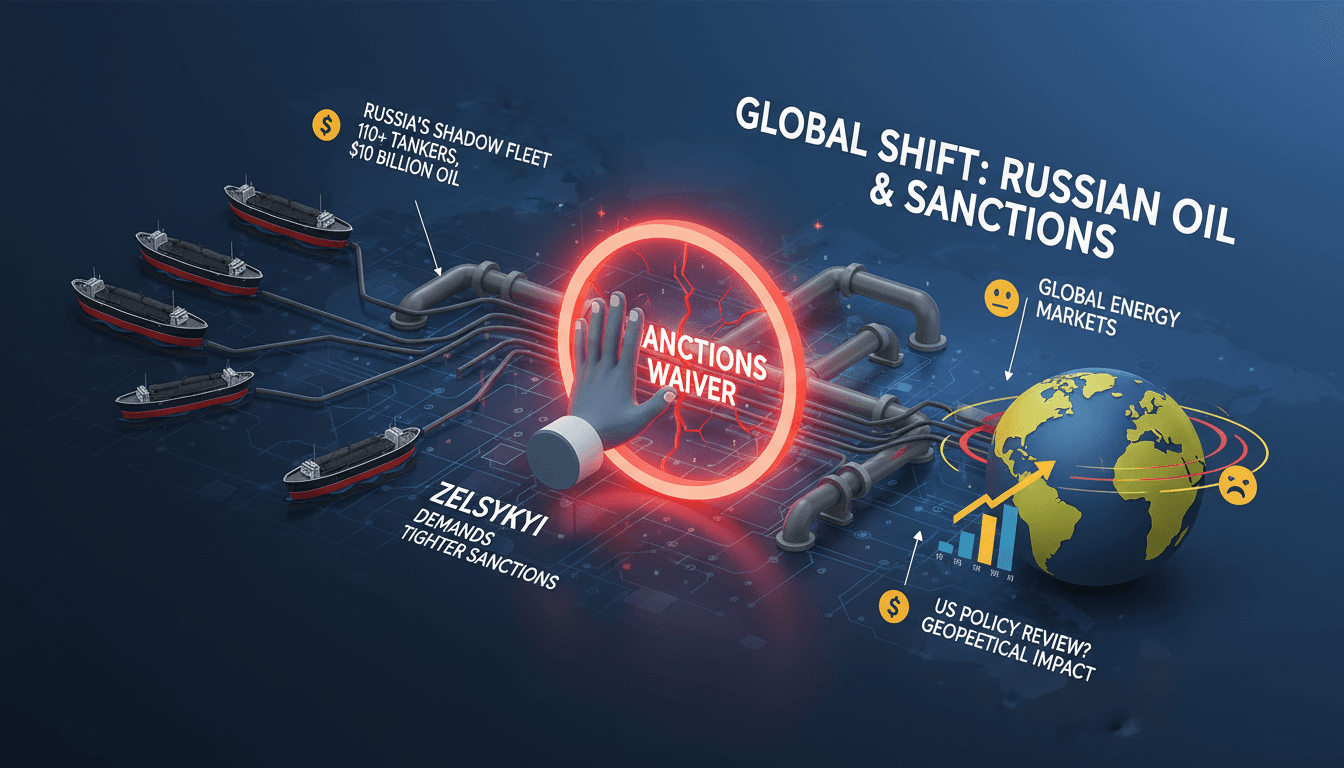
Here's what it means for you.
If you’re in the energy sector or involved in global trade, the implications of these sanctions could reshape market dynamics and pricing structures.
Why it matters
Tighter sanctions on Russian oil exports could significantly impact global energy prices and supply chains, especially for countries reliant on Russian oil.
What happened (in 30 seconds)
- Zelenskyy criticized the U.S. extension of a sanctions waiver allowing Russian oil purchases, claiming it funds the war against Ukraine.
- Over 110 tankers are currently transporting more than 12 million tons of Russian oil, valued at approximately $10 billion.
- Zelenskyy called for immediate action to halt these shipments amid escalating Russian military attacks.
The context you actually need
- The U.S. Treasury Department extended a 30-day waiver on Russian oil purchases on April 18, 2026, to address global energy supply issues.
- Zelenskyy has consistently argued that lax enforcement of sanctions enables Russia's shadow fleet to generate significant revenue for its military operations.
- The shadow fleet refers to a network of tankers operating outside of traditional regulatory frameworks, allowing Russia to circumvent sanctions and maintain oil exports.
What's really happening
Zelenskyy's call for tighter sanctions comes at a critical juncture in the ongoing conflict between Ukraine and Russia. The U.S. Treasury's recent extension of a sanctions waiver has raised concerns among Ukrainian officials, who argue that it undermines efforts to weaken Russia's military capabilities. The waiver was initially granted to alleviate global energy supply disruptions, a decision that has been met with criticism from Ukraine, particularly as Russian military aggression intensifies.
The shadow fleet, comprising over 110 tankers, is a significant player in this scenario. These vessels are reportedly transporting more than 12 million tons of oil, valued at around $10 billion. This revenue is crucial for Russia, as it directly funds military operations against Ukraine. Zelenskyy's assertion that these funds are financing the war highlights the interconnectedness of global energy markets and geopolitical stability.
The extension of the waiver reflects a balancing act for the U.S. and its allies, who must navigate the complexities of energy supply and demand while attempting to impose effective sanctions. The geopolitical landscape is further complicated by rising energy prices linked to various global tensions, including the ongoing conflict with Iran. As countries grapple with energy security, the implications of sanctions on Russian oil exports become even more pronounced.
Zelenskyy's appeal for stricter measures is not just a reaction to the waiver extension; it is a strategic move to rally international support for more robust sanctions. The potential for tighter enforcement could disrupt the operations of the shadow fleet, impacting Russia's ability to export oil and generate revenue. However, such actions may also have ripple effects on global oil prices and supply chains, particularly for nations that rely on Russian energy.
In summary, the situation underscores the delicate balance between enforcing sanctions and maintaining global energy stability. As the conflict continues, the stakes are high for all parties involved, and the outcomes of these diplomatic efforts will shape the future of energy markets and geopolitical relations.
Who feels it first (and how)
- Energy traders: They may experience volatility in oil prices as sanctions tighten or loosen.
- Countries reliant on Russian oil: Nations that import Russian oil could face supply shortages or increased costs.
- UAE and Dubai-based firms: Companies involved in blending and re-exporting Russian oil may see disruptions in their operations.
What to watch next
- International responses: Monitor how other countries, particularly in Europe, react to Zelenskyy's call for tighter sanctions and whether they align with U.S. policies.
- Oil price fluctuations: Keep an eye on global oil prices, which may react to changes in sanctions enforcement and geopolitical tensions.
- Shadow fleet operations: Watch for any shifts in the activities of the shadow fleet and how they adapt to potential new sanctions.
Zelenskyy's call for tighter sanctions is a direct response to the U.S. waiver extension.
Increased scrutiny and potential enforcement actions against the shadow fleet could emerge from international coalitions.
The long-term impact on global oil prices and energy supply chains remains uncertain as geopolitical tensions evolve.
Frequently Asked Questions
- Why it matters?
- Tighter sanctions on Russian oil exports could significantly impact global energy prices and supply chains, especially for countries reliant on Russian oil.
- What happened (in 30 seconds)?
- Zelenskyy criticized the U.S. extension of a sanctions waiver allowing Russian oil purchases, claiming it funds the war against Ukraine. Over 110 tankers are currently transporting more than 12 million tons of Russian oil, valued at approximately $10 billion. Zelenskyy called for immediate action to halt these shipments amid escalating Russian military attacks.
- What's really happening?
- Zelenskyy's call for tighter sanctions comes at a critical juncture in the ongoing conflict between Ukraine and Russia. The U.S. Treasury's recent extension of a sanctions waiver has raised concerns among Ukrainian officials, who argue that it undermines efforts to weaken Russia's military capabilities. The waiver was initially granted to alleviate global energy supply disruptions, a decision that has been met with criticism from Ukraine, particularly as Russian military aggression intensifies.
- Who feels it first (and how)?
- Energy traders: They may experience volatility in oil prices as sanctions tighten or loosen. Countries reliant on Russian oil: Nations that import Russian oil could face supply shortages or increased costs. UAE and Dubai-based firms: Companies involved in blending and re-exporting Russian oil may see disruptions in their operations.
- What to watch next?
- International responses: Monitor how other countries, particularly in Europe, react to Zelenskyy's call for tighter sanctions and whether they align with U.S. policies. Oil price fluctuations: Keep an eye on global oil prices, which may react to changes in sanctions enforcement and geopolitical tensions. Shadow fleet operations: Watch for any shifts in the activities of the shadow fleet and how they adapt to potential new sanctions.
English-language reporting on Saudi politics, policy, and society.
"Saudi Gazette reflects mainstream Saudi institutional perspectives."
— A47 Editor
Zelenskyy urges tighter sanctions on Russian oil exports
Ukrainian President Volodymyr Zelenskyy has called for stricter sanctions on Russian oil exports, emphasizing that any relaxation of sanctions allows Russia to finance its ongoing war against Ukraine. He highlighted that over 110 tankers from Russia'...
Regional and international reporting focused on Middle Eastern politics, diplomacy, and economics.
"Asharq Al-Awsat is a Saudi-owned international newspaper reflecting mainstream Gulf political perspectives."
— A47 Editor
Zelensky Says Oil Sanctions Relief Provides Billions for Russian Military
Ukrainian President Volodymyr Zelensky has stated that the relief of oil sanctions against Russia is providing billions of dollars to the Russian military, potentially undermining efforts to curb Russian aggression. This assertion highlights the fina...