
Trump Administration Evaluates Jones Act Waiver Amid US-Israel War with Iran
Here's what it means for you.
If you rely on energy or agricultural products, the potential waiver could slightly ease prices at the pump and in stores.
Why it matters
The consideration of a Jones Act waiver reflects urgent responses to escalating geopolitical tensions that directly impact energy prices and supply chains.
What happened (in 30 seconds)
- On March 13, 2026, the Trump administration announced it is evaluating a temporary waiver of the Jones Act due to the ongoing US-Israel war with Iran.
- Crude oil prices surged to $100 per barrel amid disruptions in the Strait of Hormuz, prompting concerns over energy supply and costs.
- The waiver aims to allow foreign vessels to transport essential goods between US ports, potentially alleviating some supply chain pressures.
The context you actually need
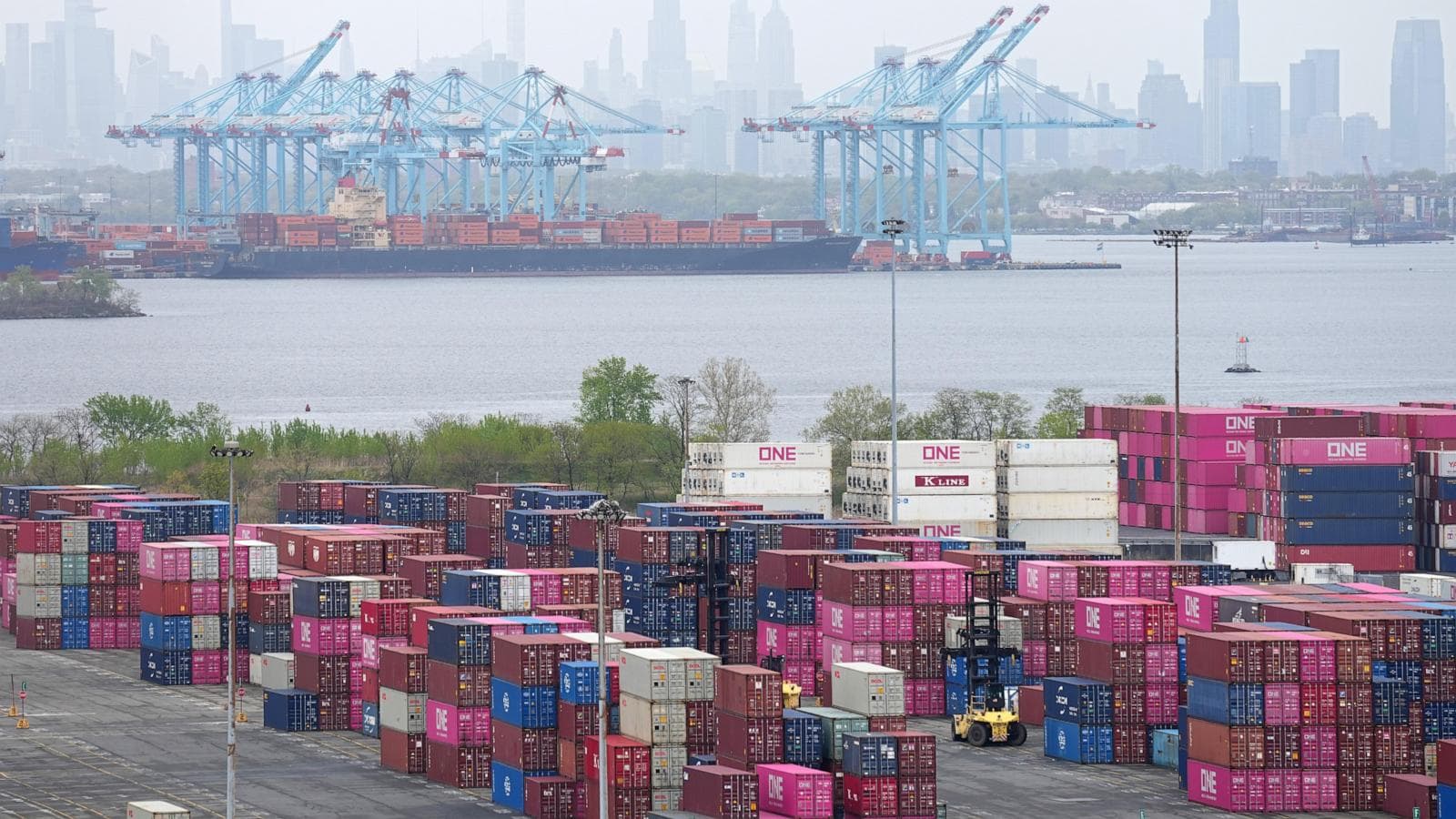
- The Jones Act, enacted in 1920, mandates that all goods transported between US ports must use US-flagged, US-built, US-owned, and US-crewed vessels, primarily for national security.
- Previous waivers have been rare and typically granted only in emergencies, such as Hurricane Maria in 2017, highlighting the Act's significance in protecting US maritime interests.
- The current geopolitical climate has escalated tensions in the Middle East, leading to significant disruptions in oil supply and global trade, which are now threatening domestic energy prices.
What's really happening
The Trump administration's consideration of a temporary waiver of the Jones Act is a direct response to the escalating conflict between the US-Israel alliance and Iran. This conflict has led to significant disruptions in the Strait of Hormuz, a critical chokepoint for global oil transport. As Iranian actions have stalled shipping and targeted commercial vessels, crude oil prices have surged from $70 to $100 per barrel, creating immediate pressure on the US economy.
The Jones Act, designed to bolster national security by ensuring that domestic maritime commerce is conducted by US-flagged vessels, is now being scrutinized under the lens of national defense. The administration's exploration of a waiver indicates a shift in priorities as the need for energy and agricultural products becomes paramount amid rising prices and supply chain disruptions. The waiver would allow foreign-flagged vessels to transport goods between US ports, potentially alleviating some of the pressure on domestic supply chains.
However, the implications of such a waiver are complex. While it may provide short-term relief, analysts warn that it could harm the US shipping industry and labor unions that rely on the protections afforded by the Jones Act. The Center for American Progress has noted that any potential decrease in gasoline prices on the East Coast would be modest—estimated at around 3 cents per gallon. This highlights the delicate balance the administration must navigate between immediate economic relief and long-term national security interests.
Moreover, the geopolitical ramifications extend beyond the US. Dubai and the UAE are experiencing heightened security alerts due to Iranian threats, which could further complicate regional trade dynamics. The US's call for allied warships to protect Gulf waters underscores the broader implications of the conflict, as global oil price surges strain local economies and trade routes.
As the situation evolves, the administration's decision on the Jones Act waiver will be closely watched, not only for its immediate effects on energy prices but also for its long-term impact on US maritime policy and international relations.
Who feels it first (and how)
- Consumers: Higher gasoline and food prices directly affect household budgets.
- Energy Sector: Oil producers and refiners face pressure to adapt to fluctuating supply and demand.
- Shipping Industry: US shipbuilders and labor unions may experience job losses if waivers undermine the Jones Act.
- UAE Residents: Increased security measures and potential disruptions in trade routes impact local economies.
What to watch next
- Jones Act Waiver Decision: The administration's final decision on the waiver will indicate the balance between immediate economic needs and long-term maritime policy.
- Oil Price Trends: Continued fluctuations in crude oil prices will affect consumer costs and economic stability.
- Geopolitical Developments: Any escalation or de-escalation in the US-Israel-Iran conflict could significantly impact global supply chains and energy markets.
Crude oil prices have surged to $100 per barrel due to geopolitical tensions.
A temporary waiver of the Jones Act could be issued, but its impact on prices may be limited.
The long-term effects on the US shipping industry and labor market remain uncertain.
Frequently Asked Questions
- Why it matters?
- The consideration of a Jones Act waiver reflects urgent responses to escalating geopolitical tensions that directly impact energy prices and supply chains.
- What happened (in 30 seconds)?
- On March 13, 2026, the Trump administration announced it is evaluating a temporary waiver of the Jones Act due to the ongoing US-Israel war with Iran. Crude oil prices surged to $100 per barrel amid disruptions in the Strait of Hormuz, prompting concerns over energy supply and costs. The waiver aims to allow foreign vessels to transport essential goods between US ports, potentially alleviating some supply chain pressures.
- What's really happening?
- The Trump administration's consideration of a temporary waiver of the Jones Act is a direct response to the escalating conflict between the US-Israel alliance and Iran. This conflict has led to significant disruptions in the Strait of Hormuz, a critical chokepoint for global oil transport. As Iranian actions have stalled shipping and targeted commercial vessels, crude oil prices have surged from $70 to $100 per barrel, creating immediate pressure on the US economy. The Jones Act, designed to bo
- Who feels it first (and how)?
- Consumers: Higher gasoline and food prices directly affect household budgets. Energy Sector: Oil producers and refiners face pressure to adapt to fluctuating supply and demand. Shipping Industry: US shipbuilders and labor unions may experience job losses if waivers undermine the Jones Act. UAE Residents: Increased security measures and potential disruptions in trade routes impact local economies.
- What to watch next?
- Jones Act Waiver Decision: The administration's final decision on the waiver will indicate the balance between immediate economic needs and long-term maritime policy. Oil Price Trends: Continued fluctuations in crude oil prices will affect consumer costs and economic stability. Geopolitical Developments: Any escalation or de-escalation in the US-Israel-Iran conflict could significantly impact global supply chains and energy markets.
Capitol Hill news, legislation, and policy insight.
"The Hill specializes in U.S. politics and policy, with a focus on Capitol Hill developments and a reputation for insider reporting."
— A47 Editor
What is the Jones Act, eyed in bid to lower gas prices?
President Trump announced plans to consider loosening the shipping regulations of the Jones Act as a strategy to mitigate rising gas prices, which have surged following the U.S. military offensive in Iran. This potential waiver aims to address disrup...
Major U.S. developments and regional news.
"ABC News delivers broad national coverage with a mainstream editorial stance, focusing on accessibility and balanced reporting."
— A47 Editor
What to know about the Jones Act as Trump considers a waiver during the Iran war
*# The Trump administration is considering a temporary waiver of the Jones Act, a century-old law governing U.S. maritime shipping, as the ongoing U.S. and Israeli conflict with Iran disrupts global energy markets and supply chains. *# This move aims...
Business, investment, entrepreneurship, leadership, and innovation.
"Forbes is known for its coverage of business leaders, market trends, and entrepreneurial ventures with a pro-business editorial stance."
— A47 Editor
Trump Could Waive Century-Old Jones Act In Bid To Lower Gas Prices
*# Former President Trump is considering waiving the century-old Jones Act to allow foreign tankers to supply fuel to East Coast refineries, as gas and oil prices surge amid the ongoing conflict with Iran. *# The move aims to ease supply constraints ...