
Russia Denies Allegations of Cyber Collaboration with Iran Amid Ongoing Ukraine Conflict
Here's what it means for you.
In an increasingly interconnected world, the denial of cyber collaboration between Russia and Iran could have significant implications for global cybersecurity and geopolitical stability.
Why it matters
The denial reflects ongoing tensions in the Middle East and could influence international cybersecurity policies and military strategies.
What happened (in 30 seconds)
- Russia's Foreign Ministry denied Ukrainian intelligence claims of collaboration with Iranian hackers and satellite imagery sharing.
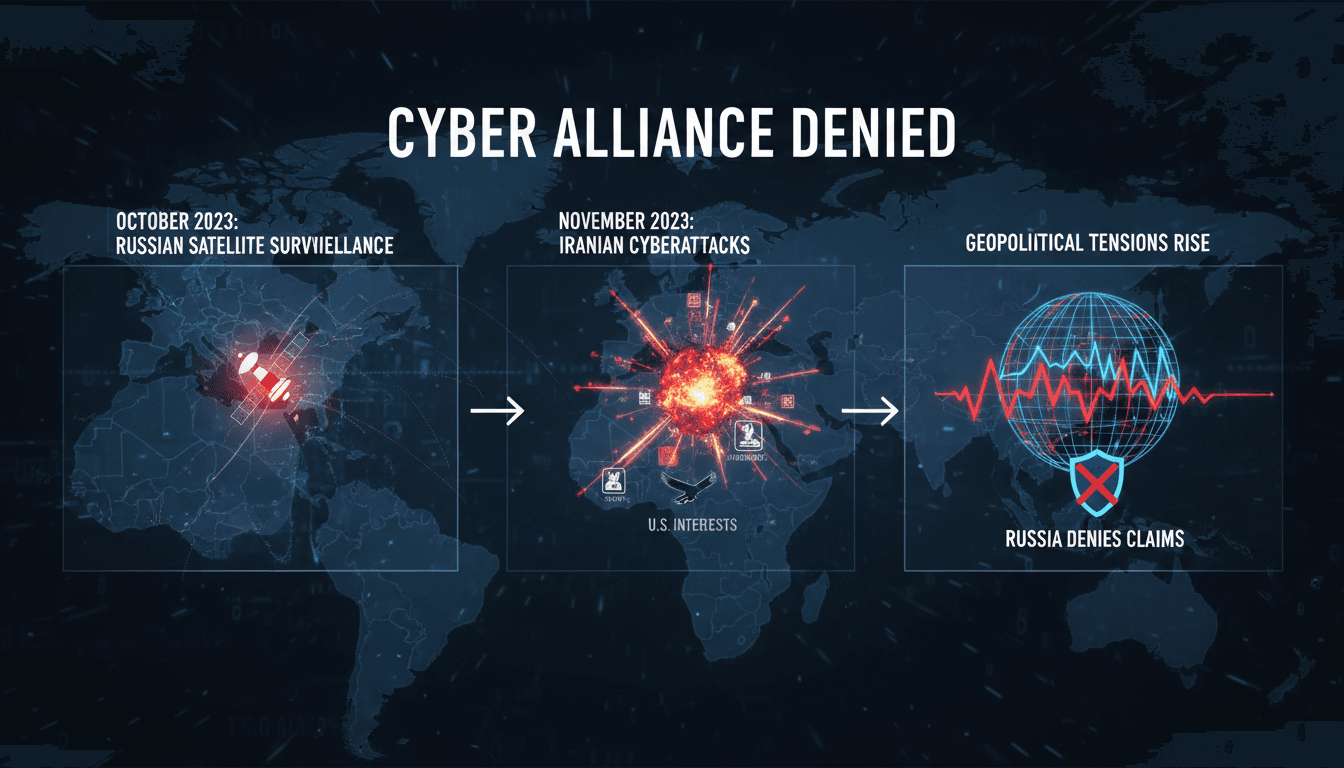
- Ukrainian intelligence reported that Russian satellites conducted 24 surveys over 46 sites in the Middle East, coinciding with Iranian strikes.
- Moscow dismissed the allegations as propaganda, accusing Ukraine of launching cyber attacks against Russia.
The context you actually need
- The Russia-Ukraine war has been ongoing since February 2022, with Iran supplying drones to Russia, a claim Tehran denies.
- A Treaty on Comprehensive Strategic Partnership between Russia and Iran, signed in January 2025, includes provisions for intelligence sharing.
- Cyber warfare has intensified recently, with Iranian hackers targeting Gulf infrastructure, raising concerns about regional stability.
What's really happening
The allegations of collaboration between Russian and Iranian cyber groups arise amid a backdrop of escalating geopolitical tensions. From March 21 to March 31, 2026, Ukrainian intelligence assessed that Russian satellites conducted 24 imaging surveys over 46 military and critical sites in 11 Middle Eastern countries. This included U.S. bases in Saudi Arabia and the UAE. Shortly after these surveys, Iranian ballistic missiles and drones targeted several sites, including the Prince Sultan Air Base.
This sequence of events led Ukrainian intelligence to conclude that there is a coordinated support mechanism between Russia and Iran, facilitated through a permanent channel. The collaboration reportedly involves Russian hacker groups, such as the Z-Pentest Alliance, and Iranian counterparts like Handala Hack, who have been sharing credentials for attacks on Israeli infrastructure via Telegram.
In response to these claims, Russian officials, including Foreign Ministry spokesperson Maria Zakharova, labeled the allegations as fabrications by what they termed "Kyiv's terrorist groups." Zakharova further accused Ukraine of conducting cyber attacks against Russia, attempting to deflect attention from the accusations. Kremlin spokesperson Dmitry Peskov had previously denied similar claims made by U.S. media.
The denial from Moscow serves multiple purposes. It aims to maintain a façade of independence in Russian military operations while simultaneously undermining Ukrainian claims of successful intelligence assessments. The geopolitical implications are significant; if the allegations were proven true, they would indicate a deeper level of collaboration between two nations that have been increasingly aligned against Western interests.
Moreover, the backdrop of the ongoing war and recent escalations, such as the U.S.-Israel assault on Iran, adds layers of complexity to the situation. Cyber warfare has become a critical component of modern conflicts, and the potential for coordinated cyber attacks could have far-reaching consequences for global cybersecurity, particularly in regions like the Gulf, which are vital for international oil flows.
Who feels it first (and how)
- Cybersecurity firms: Increased demand for monitoring and protection against potential Iranian cyber threats.
- Military and defense sectors: Heightened awareness and readiness for possible cyber warfare scenarios.
- Governments in the Gulf region: Increased pressure to bolster cybersecurity measures amid rising tensions.
- Businesses in the UAE: Potential disruptions to operations due to heightened cybersecurity risks.
What to watch next
- Increased cyber activity: Monitor for any uptick in cyber attacks targeting Gulf infrastructure, which could indicate a response from Iranian hackers.
- Diplomatic engagements: Watch for any shifts in diplomatic relations between Russia, Iran, and Western nations, particularly in light of the ongoing war.
- Military movements: Keep an eye on U.S. and allied military deployments in the Middle East, which may respond to perceived threats from Iranian or Russian actions.
Russia and Iran have a strategic partnership that includes military and intelligence cooperation.
Cyber warfare will continue to escalate as both nations seek to leverage their capabilities against perceived adversaries.
The full extent of collaboration between Russian and Iranian cyber groups remains unverified and could change rapidly.
Frequently Asked Questions
- Why it matters?
- The denial reflects ongoing tensions in the Middle East and could influence international cybersecurity policies and military strategies.
- What happened (in 30 seconds)?
- Russia's Foreign Ministry denied Ukrainian intelligence claims of collaboration with Iranian hackers and satellite imagery sharing. Ukrainian intelligence reported that Russian satellites conducted 24 surveys over 46 sites in the Middle East, coinciding with Iranian strikes. Moscow dismissed the allegations as propaganda, accusing Ukraine of launching cyber attacks against Russia.
- What's really happening?
- The allegations of collaboration between Russian and Iranian cyber groups arise amid a backdrop of escalating geopolitical tensions. From March 21 to March 31, 2026, Ukrainian intelligence assessed that Russian satellites conducted 24 imaging surveys over 46 military and critical sites in 11 Middle Eastern countries. This included U.S. bases in Saudi Arabia and the UAE. Shortly after these surveys, Iranian ballistic missiles and drones targeted several sites, including the Prince Sultan Air Base
- Who feels it first (and how)?
- Cybersecurity firms: Increased demand for monitoring and protection against potential Iranian cyber threats. Military and defense sectors: Heightened awareness and readiness for possible cyber warfare scenarios. Governments in the Gulf region: Increased pressure to bolster cybersecurity measures amid rising tensions. Businesses in the UAE: Potential disruptions to operations due to heightened cybersecurity risks.
- What to watch next?
- Increased cyber activity: Monitor for any uptick in cyber attacks targeting Gulf infrastructure, which could indicate a response from Iranian hackers. Diplomatic engagements: Watch for any shifts in diplomatic relations between Russia, Iran, and Western nations, particularly in light of the ongoing war. Military movements: Keep an eye on U.S. and allied military deployments in the Middle East, which may respond to perceived threats from Iranian or Russian actions.
Pan-Arab news coverage spanning politics, business, sports, and regional affairs.
"Asharq Al-Awsat reflects a broad Arab editorial perspective with strong attention to regional geopolitics."
— A47 Editor
موسكو تنفي تقارير أوكرانية عن تحالف متسللين إلكترونيين إيرانيين وروس
The Russian Foreign Ministry denied Ukrainian reports claiming that Russian and Iranian hackers are collaborating in cybersecurity efforts. The ministry stated that these assessments are inaccurate, emphasizing the lack of evidence supporting such cl...
Arabic-language UAE newspaper coverage focused on domestic affairs, public institutions, business, society, and regional developments.
"Al Khaleej coverage generally reflects a mainstream UAE editorial lens with strong attention to public affairs, institutions, and regional developments."
— A47 Editor
موسكو تنفي تحالف متسللين إلكترونيين إيرانيين وروس
Maria Zakharova, spokesperson for the Russian Foreign Ministry, denied claims made by Ukrainian intelligence regarding a supposed alliance between Iranian and Russian hackers. This statement was made on Wednesday, addressing the allegations that have...