
US-Iran Ceasefire Announced Amid Strait of Hormuz Tensions
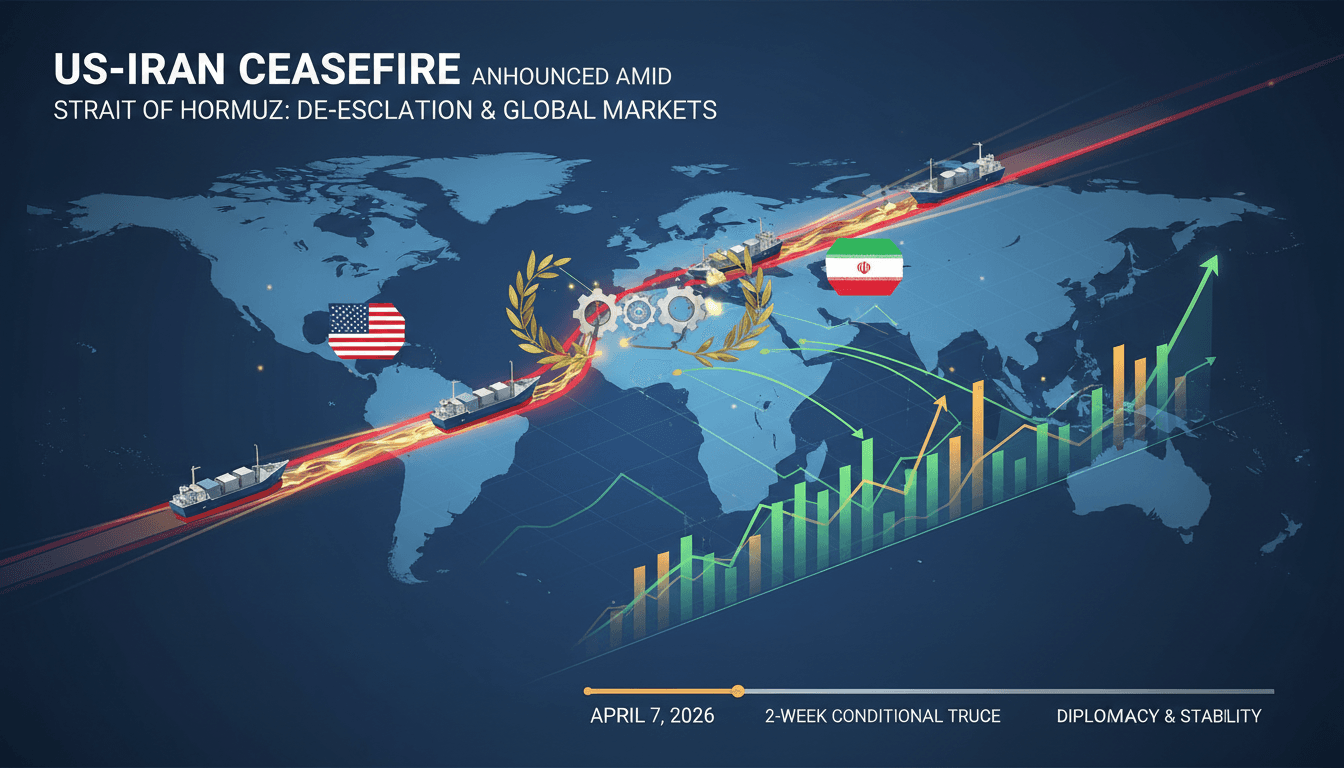
Here's what it means for you.
If you rely on global energy markets, the recent US-Iran ceasefire could stabilize prices and restore confidence in the Gulf region.
Why it matters
The ceasefire is crucial for maintaining global oil supply and preventing a potential energy crisis.
What happened (in 30 seconds)
- A ceasefire was announced on April 7, 2026, establishing a conditional two-week truce between the US and Iran.
- European leaders welcomed the agreement as a vital step back from escalating military conflict and urged its extension to Lebanon.
- Initial compliance showed positive signs with shipping restarts, but ongoing disputes and accusations of violations threaten the truce's stability.
The context you actually need
- The Strait of Hormuz is critical: Approximately one-fifth of global oil transits through this narrow waterway, making its security vital for energy markets.
- Escalating tensions: The ceasefire follows weeks of military action, including US strikes on Iran and Israeli operations against Hezbollah, which heightened fears of a broader conflict.
- Diplomatic efforts were essential: The agreement was facilitated by Pakistani diplomats, highlighting the importance of mediation in resolving international disputes.
What's really happening
The US-Iran ceasefire emerged from a backdrop of escalating military tensions that threatened to destabilize the Middle East and disrupt global energy supplies. Following weeks of conflict, including US airstrikes on Iranian targets and Iran's closure of the Strait of Hormuz, President Donald Trump issued an ultimatum demanding the Strait's reopening by April 7, 2026. This ultimatum intensified fears of a broader war, prompting urgent diplomatic interventions.
European leaders, including French President Emmanuel Macron and UK Prime Minister Keir Starmer, were quick to support the ceasefire, framing it as a crucial step toward de-escalation. Their backing underscores the geopolitical stakes involved, as European nations face potential energy crises stemming from Middle Eastern instability. The ceasefire's terms include a conditional commitment from Iran to allow temporary access to the Strait and halt attacks on US and Israeli targets, which could pave the way for a more permanent resolution.
However, the ceasefire remains fragile. Reports of ongoing military actions, including Israeli strikes in Lebanon and Iranian accusations of US-Israeli breaches, threaten to unravel the agreement. The situation is further complicated by the exclusion of Lebanon from the ceasefire terms, which could lead to continued hostilities in the region.
The immediate economic impact has been significant, with global crude oil prices plunging by up to 15% following the announcement. This drop reflects market relief over the potential stabilization of oil supplies. In Dubai, for instance, the ceasefire has sparked cautious optimism among residents, who have faced a greater than 30% decline in residential property sales due to war-related disruptions. The hope is that the ceasefire will lead to stabilized energy markets and a resumption of Gulf travel, alleviating some of the economic pressures felt in the region.
Who feels it first (and how)
- Energy sector professionals: Oil traders and analysts will closely monitor price fluctuations and supply stability.
- Investors in real estate: Property developers and investors in Dubai and the Gulf region will be affected by shifts in market confidence.
- Tourism and hospitality workers: Those in the tourism sector will feel the impact of renewed travel and economic stability in the region.
What to watch next
- Compliance with ceasefire terms: Monitoring adherence to the ceasefire will be critical; any violations could reignite tensions.
- Reopening of the Strait of Hormuz: Successful navigation of shipping through the Strait will indicate the ceasefire's effectiveness and impact on oil prices.
- Diplomatic developments in Lebanon: Any moves to include Lebanon in the ceasefire discussions could reshape regional dynamics and influence broader peace efforts.
The ceasefire is currently in effect, with initial compliance from both parties.
Continued diplomatic efforts will be necessary to extend the ceasefire and address underlying tensions.
The long-term stability of the ceasefire and its impact on regional security remain uncertain, especially with ongoing military actions.
Frequently Asked Questions
- Why it matters?
- The ceasefire is crucial for maintaining global oil supply and preventing a potential energy crisis.
- What happened (in 30 seconds)?
- A ceasefire was announced on April 7, 2026, establishing a conditional two-week truce between the US and Iran. European leaders welcomed the agreement as a vital step back from escalating military conflict and urged its extension to Lebanon. Initial compliance showed positive signs with shipping restarts, but ongoing disputes and accusations of violations threaten the truce's stability.
- What's really happening?
- The US-Iran ceasefire emerged from a backdrop of escalating military tensions that threatened to destabilize the Middle East and disrupt global energy supplies. Following weeks of conflict, including US airstrikes on Iranian targets and Iran's closure of the Strait of Hormuz, President Donald Trump issued an ultimatum demanding the Strait's reopening by April 7, 2026. This ultimatum intensified fears of a broader war, prompting urgent diplomatic interventions. European leaders, including French
- Who feels it first (and how)?
- Energy sector professionals: Oil traders and analysts will closely monitor price fluctuations and supply stability. Investors in real estate: Property developers and investors in Dubai and the Gulf region will be affected by shifts in market confidence. Tourism and hospitality workers: Those in the tourism sector will feel the impact of renewed travel and economic stability in the region.
- What to watch next?
- Compliance with ceasefire terms: Monitoring adherence to the ceasefire will be critical; any violations could reignite tensions. Reopening of the Strait of Hormuz: Successful navigation of shipping through the Strait will indicate the ceasefire's effectiveness and impact on oil prices. Diplomatic developments in Lebanon: Any moves to include Lebanon in the ceasefire discussions could reshape regional dynamics and influence broader peace efforts.
News and current affairs from across Europe.
"The Guardian is known for its progressive editorial stance and in-depth analysis."
— A47 Editor
‘A step back from the brink’: European leaders welcome US-Iran ceasefire
European leaders have expressed relief following the announcement of a two-week conditional ceasefire between the United States and Iran, facilitated by Pakistan. This agreement includes a temporary reopening of the strategically vital Strait of Horm...
Regional coverage and analysis focused on politics, diplomacy, and business across the Middle East.
"Al-Monitor is known for analytical reporting on Middle East politics and policy developments."
— A47 Editor
EU welcomes US-Iran ceasefire, urges efforts to create lasting agreement
The European Union has welcomed the recent two-week ceasefire agreement between the United States and Iran, which aims to de-escalate rising tensions in the Middle East. European Commission President Ursula von der Leyen emphasized the importance of ...
Regional and international reporting focused on Middle Eastern politics, diplomacy, and economics.
"Asharq Al-Awsat is a Saudi-owned international newspaper reflecting mainstream Gulf political perspectives."
— A47 Editor
EU Welcomes US-Iran Ceasefire, Urges Efforts to Create Lasting Agreement
The European Union has welcomed the recent ceasefire agreement between the United States and Iran, urging both nations to work towards a lasting peace. This ceasefire, brokered by Pakistan, aims to reduce escalating military tensions in the region fo...