
NATO Secretary-General Rutte Proposes Allied Naval Support for Strait of Hormuz Security
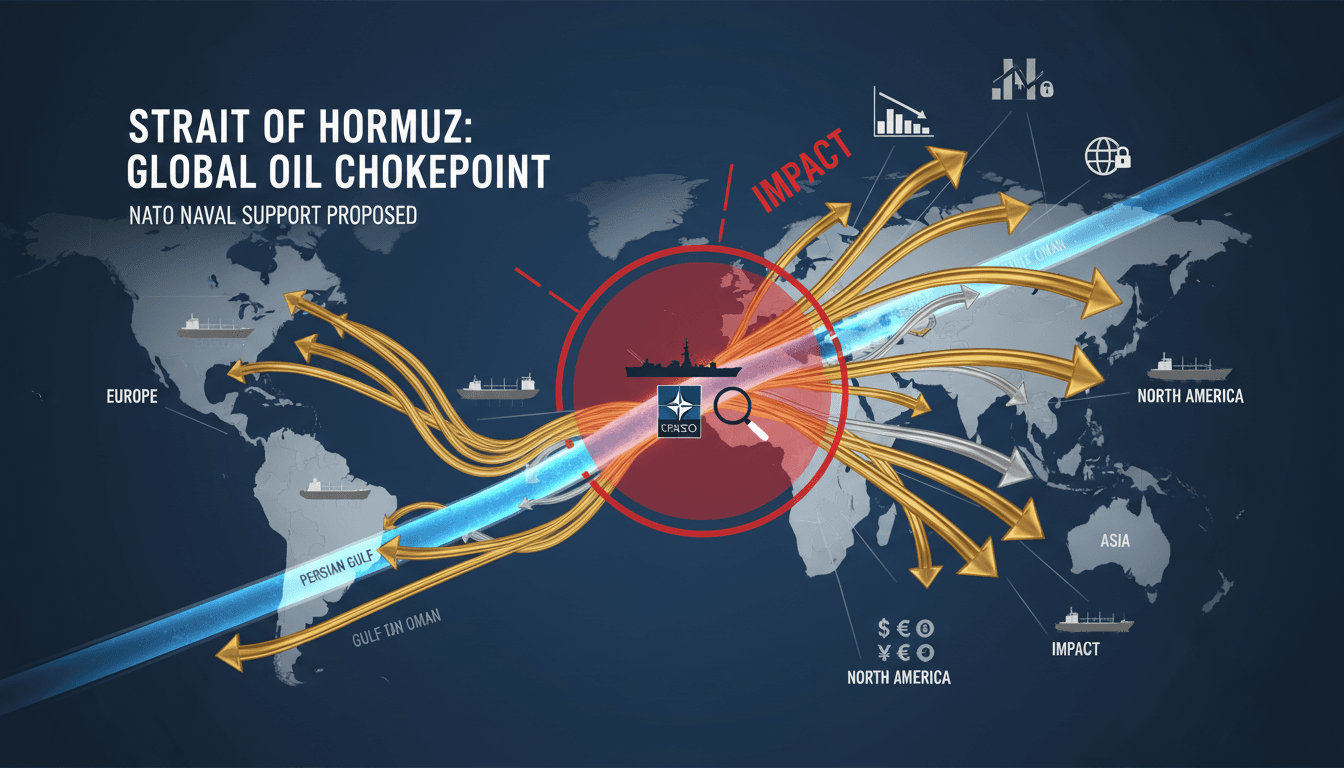
Here's what it means for you.
Your energy costs and supply chains may be impacted as NATO considers military support in a critical global oil transit route.
Why it matters
The Strait of Hormuz is vital for global oil trade, and any disruptions can lead to significant economic repercussions.
What happened (in 30 seconds)
- On April 9, 2026, NATO Secretary-General Mark Rutte announced potential naval support from allies to secure the Strait of Hormuz amid rising tensions.
- U.S. President Donald Trump has pressured NATO allies for assistance, warning of future alliance repercussions if they do not contribute.
- Iran's actions to restrict navigation in the strait have already disrupted oil shipments, affecting global markets.
The context you actually need
- The Strait of Hormuz is a crucial chokepoint for approximately 20% of the world's seaborne oil trade, making it a focal point for geopolitical tensions.
- U.S.-Iran hostilities have escalated since early 2026, leading to Iran mining the strait and a fragile ceasefire that has not fully restored shipping.
- European nations have shown hesitance in committing military resources, reflecting a broader debate on transatlantic defense roles and dependencies.
What's really happening
The situation in the Strait of Hormuz is a complex interplay of geopolitical tensions, economic interests, and military strategy. As of early 2026, the U.S.-Iran conflict has intensified, with Iran taking aggressive actions to restrict navigation through the strait, a key maritime route for oil. Approximately 20 million barrels of oil transit this chokepoint daily, underscoring its importance to global energy markets.
In response to these tensions, President Trump has publicly called on NATO allies to step up and contribute to securing the strait. His demands highlight a growing concern over what he terms an "unhealthy codependence" on U.S. military support from European allies. This sentiment reflects a broader shift in U.S. foreign policy, where energy independence has become a focal point, reducing reliance on Middle Eastern oil while expecting allies to shoulder more defense responsibilities.
Mark Rutte's remarks signal a potential pivot in NATO's operational strategy, advocating for a more balanced transatlantic partnership. This includes the possibility of deploying naval assets such as minehunters and surveillance technology, with the U.K. taking a leadership role in coordinating these efforts among the 30-nation coalition. The emphasis on collective action is crucial, as it aims to alleviate some of the burdens placed on the U.S. military while addressing the immediate security threats posed by Iran.
However, the response from European nations has been mixed. Some countries have expressed reluctance to engage militarily, citing concerns over escalating tensions and the potential for direct confrontation with Iran. This hesitance may stem from differing national interests and the historical context of European military involvement in the region. As NATO navigates these complexities, the alliance's future cohesion and effectiveness in addressing security threats will be tested.
The economic implications of these developments are significant. Disruptions in the Strait of Hormuz could lead to increased oil prices, affecting everything from transportation costs to consumer goods. For residents in Dubai and the broader UAE, this translates to higher fuel and grocery prices, as the region relies heavily on oil exports and imports that pass through this critical maritime route. Analysts warn that prolonged instability could trigger broader inflationary pressures, impacting household budgets and daily commuting costs.
Who feels it first (and how)
- Energy sector professionals: Oil and gas companies may face increased operational costs and supply chain disruptions.
- Consumers in the UAE: Residents will likely experience higher prices for fuel and essential goods due to increased shipping costs.
- Military and defense contractors: Companies involved in naval and surveillance technology may see increased demand for their services as NATO mobilizes resources.
What to watch next
- NATO's deployment decisions: Watch for announcements regarding specific naval assets being deployed to the Strait of Hormuz, which will indicate the level of commitment from member states.
- Oil price fluctuations: Monitor Brent crude prices as they respond to geopolitical developments, particularly any escalation in tensions or military actions.
- European military commitments: Pay attention to how individual European nations respond to NATO's call for support, as this will shape future transatlantic defense dynamics.
The Strait of Hormuz is critical for global oil trade, with 20 million barrels transiting daily.
NATO will coordinate a response to secure the strait, with varying levels of commitment from member states.
The long-term impact on U.S.-European relations and NATO's operational effectiveness in the region remains uncertain.
Frequently Asked Questions
- Why it matters?
- The Strait of Hormuz is vital for global oil trade, and any disruptions can lead to significant economic repercussions.
- What happened (in 30 seconds)?
- On April 9, 2026, NATO Secretary-General Mark Rutte announced potential naval support from allies to secure the Strait of Hormuz amid rising tensions. U.S. President Donald Trump has pressured NATO allies for assistance, warning of future alliance repercussions if they do not contribute. Iran's actions to restrict navigation in the strait have already disrupted oil shipments, affecting global markets.
- What's really happening?
- The situation in the Strait of Hormuz is a complex interplay of geopolitical tensions, economic interests, and military strategy. As of early 2026, the U.S.-Iran conflict has intensified, with Iran taking aggressive actions to restrict navigation through the strait, a key maritime route for oil. Approximately 20 million barrels of oil transit this chokepoint daily, underscoring its importance to global energy markets. In response to these tensions, President Trump has publicly called on NATO al
- Who feels it first (and how)?
- Energy sector professionals: Oil and gas companies may face increased operational costs and supply chain disruptions. Consumers in the UAE: Residents will likely experience higher prices for fuel and essential goods due to increased shipping costs. Military and defense contractors: Companies involved in naval and surveillance technology may see increased demand for their services as NATO mobilizes resources.
- What to watch next?
- NATO's deployment decisions: Watch for announcements regarding specific naval assets being deployed to the Strait of Hormuz, which will indicate the level of commitment from member states. Oil price fluctuations: Monitor Brent crude prices as they respond to geopolitical developments, particularly any escalation in tensions or military actions. European military commitments: Pay attention to how individual European nations respond to NATO's call for support, as this will shape future transatlant
U.S. political news and right-leaning commentary.
"Fox News is a highly influential conservative news outlet known for right-leaning political commentary and coverage."
— A47 Editor
NATO chief signals allies may act on Hormuz, warns of ‘unhealthy codependence’ on US
NATO Secretary-General Mark Rutte indicated that allies may take action to secure the Strait of Hormuz following a meeting with President Trump, who expressed dissatisfaction with NATO's support amid rising tensions with Iran. The White House has sta...
Capitol Hill news, legislation, and policy insight.
"The Hill specializes in U.S. politics and policy, with a focus on Capitol Hill developments and a reputation for insider reporting."
— A47 Editor
Rutte says NATO allies 'were a bit slow, to say the least' on Iran war
NATO Secretary-General Mark Rutte stated that NATO allies were 'a bit slow' in providing support to the U.S. during President Trump's military actions against Iran, emphasizing that they were unaware of the plans beforehand.