
UK Chancellor Criticizes US War on Iran as Economic Fallout Escalates
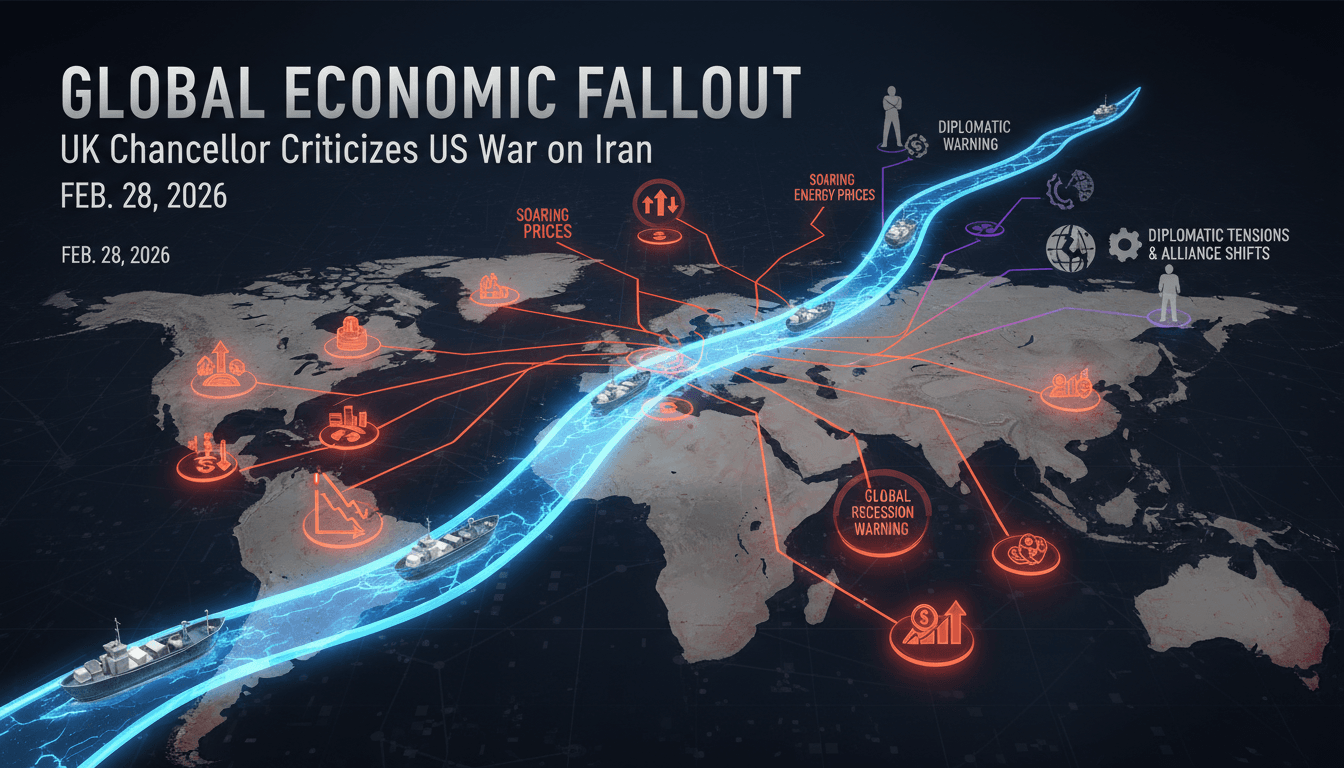
Here's what it means for you.
The ongoing conflict and its economic fallout could reshape global energy markets and impact your cost of living.
Why it matters
The war's escalation threatens global economic stability, particularly in energy-dependent regions.
What happened (in 30 seconds)
- On April 15, 2026, UK Chancellor Rachel Reeves labeled the US-led war on Iran a "mistake" during the IMF annual conference.
- The conflict began with US and Israeli airstrikes on February 28, 2026, leading to retaliatory actions from Iran and a blockade of the Strait of Hormuz.
- As of mid-April, the IMF downgraded global growth forecasts, citing war-induced energy shocks and rising recession risks.
The context you actually need
- Tensions have been escalating since the 2023 Gaza conflict, with a series of missile exchanges and military actions leading to the current war.
- The US withdrew from the JCPOA in 2018, reimposing sanctions on Iran, which has continued uranium enrichment despite no active weapons program reported by the IAEA.
- The UK government is distancing itself from the US blockade while engaging in talks with France to address navigation issues in the Strait of Hormuz.
What's really happening
The US-led military action against Iran, initiated on February 28, 2026, marked a significant escalation in a long-standing conflict rooted in geopolitical tensions and energy security concerns. The operation, dubbed "Epic Fury," involved targeted airstrikes that resulted in the assassination of Iranian Supreme Leader Ali Khamenei and attacks on military and nuclear facilities. This aggressive approach has not only intensified hostilities but also led to Iran's retaliatory missile strikes on US bases and allies, effectively closing the vital Strait of Hormuz, through which approximately 20% of the world's oil supply passes.
The immediate economic implications are severe. The IMF's revised forecast for UK GDP growth in 2026 has dropped from 1.3% to 0.8%, reflecting the largest downgrade among G7 nations due to energy price shocks stemming from the conflict. Oil prices have surged past $100 per barrel, contributing to persistent inflation and increased borrowing costs in the UK. The economic fallout is not limited to the UK; Dubai and the broader UAE are experiencing significant disruptions, with tourism collapsing and stock markets losing $120 billion in value. The UAE government has responded with a $270 million relief package aimed at supporting businesses and families affected by the crisis.
Chancellor Reeves' public criticism of the US strategy underscores a growing frustration among UK officials regarding the lack of a clear exit strategy or defined objectives from the US. This sentiment is echoed by other global leaders, including French President Emmanuel Macron, who are concerned about the broader implications of the conflict on international stability and economic growth. The ongoing hostilities have strained diplomatic relations, particularly between the US and its allies, as evidenced by Trump's lament over the deteriorating "special relationship" with the UK.
As the situation evolves, the potential for further escalation remains high, with the risk of broader regional conflict looming. The lack of effective diplomatic channels following the termination of talks by the Trump administration has left many questioning the long-term strategy and objectives of the US in the region.
Who feels it first (and how)
- Energy consumers: Higher fuel prices directly impact household budgets and transportation costs.
- Tourism and hospitality sectors: Regions like Dubai face significant losses due to reduced visitor numbers and economic activity.
- Migrant workers: Increased vulnerability as economic conditions worsen, leading to potential job losses and instability.
What to watch next
- Ceasefire negotiations: The outcome of UK-France talks on navigation in the Strait of Hormuz could influence regional stability and energy supply chains.
- Energy market volatility: Continued fluctuations in oil prices will affect global inflation rates and economic forecasts.
- Diplomatic developments: Any shifts in US foreign policy or renewed diplomatic efforts could alter the trajectory of the conflict and its economic implications.
The US and Israel initiated military action against Iran, leading to significant geopolitical tensions.
Continued volatility in energy markets and economic repercussions for countries reliant on oil imports.
The long-term effectiveness of diplomatic efforts to de-escalate the conflict and restore stability in the region.
Frequently Asked Questions
- Why it matters?
- The war's escalation threatens global economic stability, particularly in energy-dependent regions.
- What happened (in 30 seconds)?
- On April 15, 2026, UK Chancellor Rachel Reeves labeled the US-led war on Iran a "mistake" during the IMF annual conference. The conflict began with US and Israeli airstrikes on February 28, 2026, leading to retaliatory actions from Iran and a blockade of the Strait of Hormuz. As of mid-April, the IMF downgraded global growth forecasts, citing war-induced energy shocks and rising recession risks.
- What's really happening?
- The US-led military action against Iran, initiated on February 28, 2026, marked a significant escalation in a long-standing conflict rooted in geopolitical tensions and energy security concerns. The operation, dubbed "Epic Fury," involved targeted airstrikes that resulted in the assassination of Iranian Supreme Leader Ali Khamenei and attacks on military and nuclear facilities. This aggressive approach has not only intensified hostilities but also led to Iran's retaliatory missile strikes on US
- Who feels it first (and how)?
- Energy consumers: Higher fuel prices directly impact household budgets and transportation costs. Tourism and hospitality sectors: Regions like Dubai face significant losses due to reduced visitor numbers and economic activity. Migrant workers: Increased vulnerability as economic conditions worsen, leading to potential job losses and instability.
- What to watch next?
- Ceasefire negotiations: The outcome of UK-France talks on navigation in the Strait of Hormuz could influence regional stability and energy supply chains. Energy market volatility: Continued fluctuations in oil prices will affect global inflation rates and economic forecasts. Diplomatic developments: Any shifts in US foreign policy or renewed diplomatic efforts could alter the trajectory of the conflict and its economic implications.
United Kingdom-focused news including local politics, business, and social issues.
"BBC News is widely regarded as a reputable international news organization, known for its impartial tone and public service mandate."
— A47 Editor
US war on Iran was a 'mistake', says Reeves
UK Chancellor Rachel Reeves has publicly criticized the US-led military actions against Iran, labeling them a 'mistake' amid concerns that the ongoing conflict will have severe economic repercussions for the UK. This statement follows a report indica...
International coverage from The Guardian's global desks.
"The Guardian is known for its progressive editorial stance and in-depth analysis."
— A47 Editor
Reeves tells Americans Trump’s Iran war is a ‘mistake’
UK Chancellor Rachel Reeves has intensified her criticism of former President Donald Trump's military actions against Iran, labeling them a 'mistake' that has destabilized the global economy and adversely affected living standards worldwide. Reeves e...