
IAEA Reports Significant Increase in North Korea's Nuclear Weapons Production Capacity
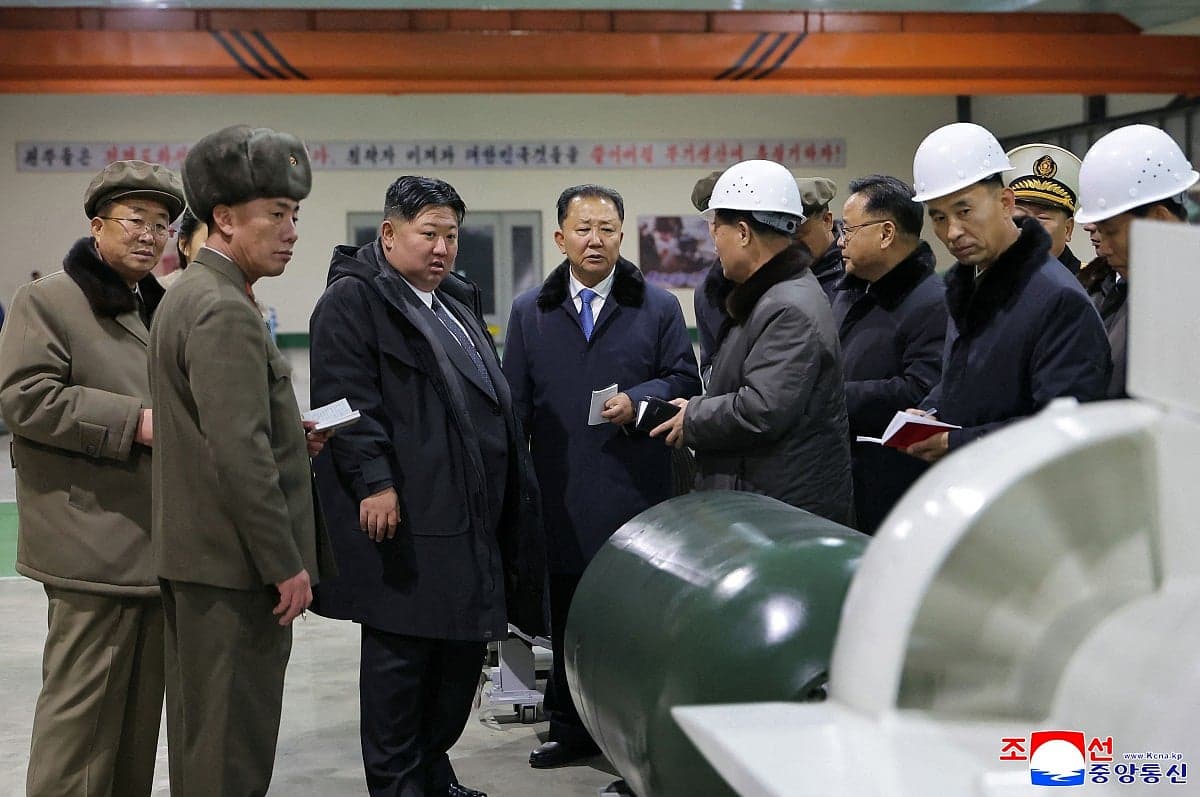
Here's what it means for you.
As geopolitical tensions rise, professionals in energy, security, and international relations should prepare for potential shifts in policy and market dynamics.
Why it matters
The expansion of North Korea's nuclear capabilities could destabilize regional security, impacting global energy markets and diplomatic relations.
What happened (in 30 seconds)
- IAEA reports significant increase in North Korea's nuclear weapons production capacity at the Yongbyon complex, including new facilities.
- Director General Rafael Grossi emphasized the urgency of diplomatic engagement following these findings during his visit to Seoul.
- North Korea's arsenal is estimated to consist of a few dozen nuclear warheads, raising concerns about proliferation and regional security.
The context you actually need
- North Korea's nuclear program began in 2006, with the Yongbyon complex being a focal point for its development and subsequent international scrutiny.
- IAEA monitoring has revealed rapid operational increases at Yongbyon, despite ongoing UN sanctions aimed at curbing its nuclear ambitions.
- Geopolitical tensions have escalated, particularly with North Korea's support for Russia, raising fears of military technology exchanges that could further complicate the security landscape.
What's really happening
The International Atomic Energy Agency (IAEA) has confirmed a "very serious increase" in North Korea's nuclear weapons production capabilities, particularly at the Yongbyon nuclear complex. This facility has been at the center of North Korea's nuclear ambitions since its inception, and its recent operational expansions signal a troubling trend in global nuclear proliferation.
The Yongbyon complex includes a reprocessing unit and a light-water reactor, both of which have seen increased activity. Satellite imagery corroborates the IAEA's findings, revealing the construction of a new uranium enrichment facility that mirrors existing designs at Yongbyon. This suggests not only a significant enhancement of North Korea's nuclear production capacity but also a commitment to advancing its nuclear program despite international sanctions.
North Korea's nuclear arsenal is estimated to comprise a few dozen warheads, a figure that underscores the urgency of the situation. The IAEA's assessments indicate that North Korea is not only maintaining its existing capabilities but actively expanding them, which poses a direct challenge to regional and global security. The ongoing expansion occurs under the shadow of UN sanctions imposed since 2006, which have failed to halt North Korea's nuclear ambitions. Instead, these sanctions may have inadvertently spurred the regime to accelerate its nuclear development as a means of asserting its sovereignty and deterrence.
The geopolitical implications are profound. North Korea's increasing military capabilities could embolden its actions on the international stage, particularly in relation to its neighbors, South Korea and Japan. Furthermore, the regime's support for Russia during the Ukraine conflict raises concerns about potential military technology transfers, which could further destabilize the region. While the IAEA has found no direct evidence of nuclear assistance from Russia to North Korea, the mere speculation of such exchanges heightens tensions and complicates diplomatic efforts.
In this context, the call for diplomatic engagement by IAEA Director General Grossi becomes critical. The international community must navigate a complex landscape where traditional diplomatic tools may be insufficient to address the challenges posed by North Korea's nuclear ambitions. The situation demands a nuanced approach that balances sanctions with dialogue, aiming to bring North Korea back to the negotiating table.
Who feels it first (and how)
- Government officials in South Korea and Japan, who must respond to heightened security threats.
- Energy sector professionals in the Gulf, as regional stability impacts oil and gas markets.
- International relations experts monitoring shifts in diplomatic strategies and military alliances.
What to watch next
- Diplomatic initiatives: Watch for any new negotiations or talks involving North Korea, as these could signal shifts in policy or strategy.
- Military exercises: Increased military drills by South Korea or the U.S. in response to North Korea's actions could indicate rising tensions.
- Sanctions adjustments: Monitor any changes to UN sanctions or international responses that could affect North Korea's economic situation and nuclear ambitions.
North Korea is expanding its nuclear weapons production capacity at the Yongbyon complex.
Increased geopolitical tensions will lead to heightened military readiness in South Korea and Japan.
The effectiveness of diplomatic efforts to engage North Korea and curb its nuclear ambitions remains uncertain.
Frequently Asked Questions
- Why it matters?
- The expansion of North Korea's nuclear capabilities could destabilize regional security, impacting global energy markets and diplomatic relations.
- What happened (in 30 seconds)?
- IAEA reports significant increase in North Korea's nuclear weapons production capacity at the Yongbyon complex, including new facilities. Director General Rafael Grossi emphasized the urgency of diplomatic engagement following these findings during his visit to Seoul. North Korea's arsenal is estimated to consist of a few dozen nuclear warheads, raising concerns about proliferation and regional security.
- What's really happening?
- The International Atomic Energy Agency (IAEA) has confirmed a "very serious increase" in North Korea's nuclear weapons production capabilities, particularly at the Yongbyon nuclear complex. This facility has been at the center of North Korea's nuclear ambitions since its inception, and its recent operational expansions signal a troubling trend in global nuclear proliferation. The Yongbyon complex includes a reprocessing unit and a light-water reactor, both of which have seen increased activity.
- Who feels it first (and how)?
- Government officials in South Korea and Japan, who must respond to heightened security threats. Energy sector professionals in the Gulf, as regional stability impacts oil and gas markets. International relations experts monitoring shifts in diplomatic strategies and military alliances.
- What to watch next?
- Diplomatic initiatives: Watch for any new negotiations or talks involving North Korea, as these could signal shifts in policy or strategy. Military exercises: Increased military drills by South Korea or the U.S. in response to North Korea's actions could indicate rising tensions. Sanctions adjustments: Monitor any changes to UN sanctions or international responses that could affect North Korea's economic situation and nuclear ambitions.
Regional and international reporting focused on Middle Eastern politics, diplomacy, and economics.
"Asharq Al-Awsat is a Saudi-owned international newspaper reflecting mainstream Gulf political perspectives."
— A47 Editor
North Korea Boosting Ability to Make Nuclear Arms, Says UN Watchdog
The United Nations has reported that North Korea is significantly enhancing its capability to produce nuclear weapons, raising alarms about regional security and stability. This development follows a series of missile tests and military advancements ...
International coverage from The Guardian's global desks.
"The Guardian is known for its progressive editorial stance and in-depth analysis."
— A47 Editor
North Korea rapidly expanding nuclear weapons capability, UN watchdog warns
North Korea has made significant advancements in its nuclear weapons capabilities, as reported by Rafael Grossi, the head of the UN's nuclear watchdog. The regime is believed to have assembled around 50 nuclear warheads and is increasing activity at ...
UAE-based newspaper covering Gulf politics, society, and international developments.
"Gulf News is one of the UAE’s most prominent English-language publications."
— A47 Editor
North Korea boosting ability to make nuclear arms: UN watchdog
The United Nations has reported that North Korea is significantly enhancing its capability to produce nuclear weapons, raising alarms about regional security and stability. This development follows a series of missile tests and military advancements ...
A curated Gulf News feed featuring major stories across news, business, opinion, and lifestyle.
"Gulf News is a major UAE newspaper whose featured stories feed reflects a broad editorial mix shaped for a Gulf audience."
— A47 Editor
North Korea boosting ability to make nuclear arms: UN watchdog
The United Nations has reported that North Korea is significantly enhancing its capability to produce nuclear weapons, raising alarms about regional security and stability. This development follows a series of missile tests and military advancements ...