
Xi Jinping Calls for Open Passage Through Strait of Hormuz Amid U.S.-Iran Tensions
Here's what it means for you.
Rising tensions in the Strait of Hormuz could impact global oil prices and supply chains, affecting your cost of living.
Why it matters
The Strait of Hormuz is a critical chokepoint for global oil trade, with about 20% of the world's petroleum passing through it.
What happened (in 30 seconds)
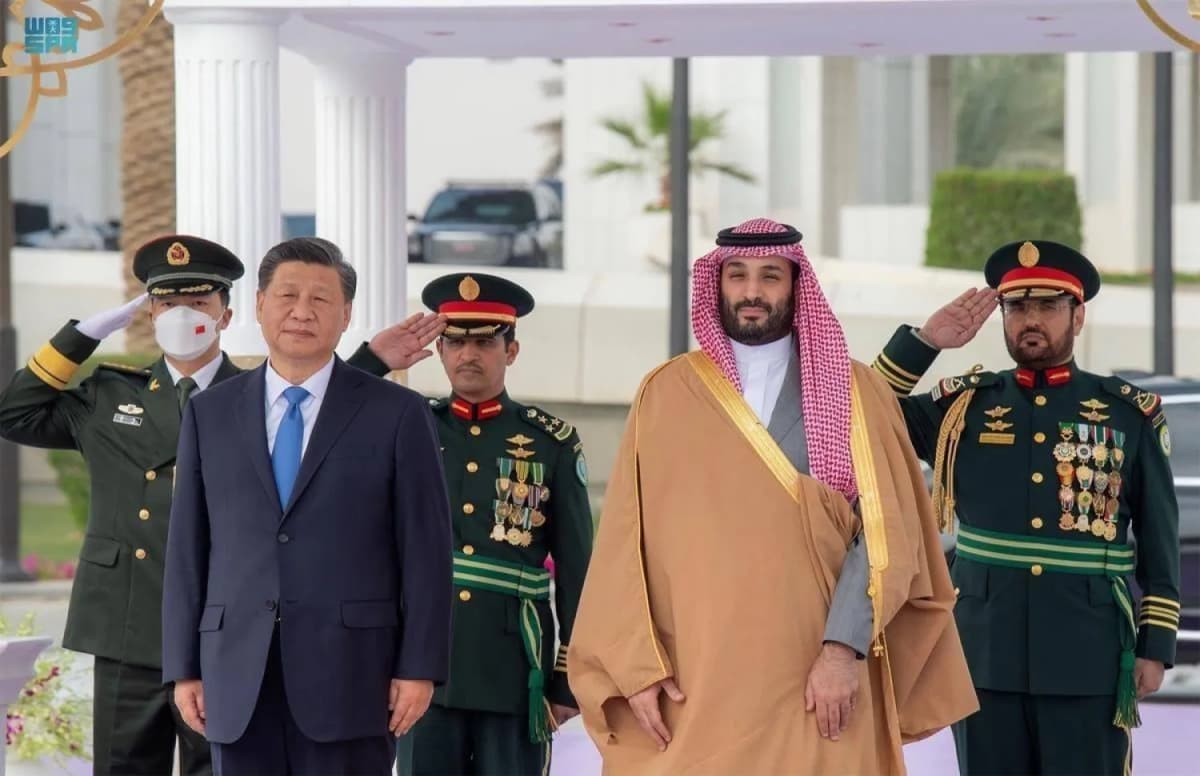
- Xi Jinping urged Saudi Crown Prince Mohammed bin Salman to maintain open passage through the Strait of Hormuz during a phone call on April 20, 2026.
- Tensions escalated following a U.S. seizure of an Iranian cargo ship, straining a fragile ceasefire in the region.
- China is intensifying diplomatic efforts to stabilize the Middle East, as it relies heavily on Iranian crude oil.
The context you actually need
- The 2026 Iran War began in February, leading to military actions by the U.S. and Israel against Iran, which restricted access to the Strait of Hormuz.
- A ceasefire was brokered after 38–50 days of conflict, but recent U.S. actions have undermined this truce, complicating peace efforts.
- China's role as a primary purchaser of Iranian oil positions it as a key player in regional diplomacy, aiming to secure energy flows through the Strait.
What's really happening
The recent phone call between Xi Jinping and Mohammed bin Salman highlights the intricate web of geopolitical interests surrounding the Strait of Hormuz. This waterway is not just a regional concern; it is a vital artery for global oil trade, with approximately 21 million barrels of petroleum liquids transiting daily before the onset of the 2026 war. The U.S. seizure of an Iranian cargo ship has escalated tensions, prompting Xi to advocate for open passage as a means to protect both regional and international interests.
China's diplomatic overtures come at a time when the U.S.-Iran ceasefire is under severe strain. The Iranian government has shown reluctance to engage in new peace talks, particularly after the U.S. blockade of Iranian vessels. Xi's emphasis on a comprehensive ceasefire and political resolution reflects China's broader strategy to stabilize the region, which is crucial for its energy security. As the largest buyer of Iranian crude, China has a vested interest in ensuring that oil flows remain uninterrupted.
The implications of this situation extend beyond the immediate geopolitical landscape. Rising fuel prices and food inflation are already being felt in places like Dubai, where about 70% of food imports transit through the Strait. Supply chain disruptions could exacerbate vulnerabilities in energy, transport, and grocery sectors, affecting everyday consumers. The interconnectedness of global markets means that instability in the Strait of Hormuz can lead to fluctuations in oil prices, impacting everything from transportation costs to grocery bills.
As regional actors, including the UAE, monitor developments closely, the potential for further escalation remains. Xi's call for Middle Eastern nations to take control of their destiny suggests a shift towards greater regional autonomy, but it also raises questions about the balance of power and the role of external actors like the U.S. and China in shaping the future of the Middle East.
Who feels it first (and how)
- Consumers in the Gulf: Rising fuel prices and food inflation directly impact daily expenses.
- Energy sector professionals: Fluctuations in oil prices can affect job stability and investment opportunities.
- Logistics and supply chain managers: Disruptions in transport routes can lead to delays and increased costs.
What to watch next
- U.S. military actions: Any further U.S. interventions in the region could escalate tensions and impact oil prices.
- Iran's response: Iran's willingness to engage in peace talks will be crucial for stabilizing the Strait and the broader region.
- China's diplomatic efforts: Watch for China's initiatives to mediate between conflicting parties, as they could reshape regional alliances.
The Strait of Hormuz is a critical chokepoint for global oil trade.
Continued volatility in the region will affect global oil prices and supply chains.
The long-term effectiveness of diplomatic efforts by China and other nations to stabilize the region.
Frequently Asked Questions
- Why it matters?
- The Strait of Hormuz is a critical chokepoint for global oil trade, with about 20% of the world's petroleum passing through it.
- What happened (in 30 seconds)?
- Xi Jinping urged Saudi Crown Prince Mohammed bin Salman to maintain open passage through the Strait of Hormuz during a phone call on April 20, 2026. Tensions escalated following a U.S. seizure of an Iranian cargo ship, straining a fragile ceasefire in the region. China is intensifying diplomatic efforts to stabilize the Middle East, as it relies heavily on Iranian crude oil.
- What's really happening?
- The recent phone call between Xi Jinping and Mohammed bin Salman highlights the intricate web of geopolitical interests surrounding the Strait of Hormuz. This waterway is not just a regional concern; it is a vital artery for global oil trade, with approximately 21 million barrels of petroleum liquids transiting daily before the onset of the 2026 war. The U.S. seizure of an Iranian cargo ship has escalated tensions, prompting Xi to advocate for open passage as a means to protect both regional and
- Who feels it first (and how)?
- Consumers in the Gulf: Rising fuel prices and food inflation directly impact daily expenses. Energy sector professionals: Fluctuations in oil prices can affect job stability and investment opportunities. Logistics and supply chain managers: Disruptions in transport routes can lead to delays and increased costs.
- What to watch next?
- U.S. military actions: Any further U.S. interventions in the region could escalate tensions and impact oil prices. Iran's response: Iran's willingness to engage in peace talks will be crucial for stabilizing the Strait and the broader region. China's diplomatic efforts: Watch for China's initiatives to mediate between conflicting parties, as they could reshape regional alliances.
English-language reporting on Saudi politics, policy, and society.
"Saudi Gazette reflects mainstream Saudi institutional perspectives."
— A47 Editor
China’s Xi says Strait of Hormuz should remain open in call with Crown Prince
Chinese President Xi Jinping emphasized the necessity of keeping the Strait of Hormuz open during a phone call with Saudi Crown Prince Mohammed bin Salman, highlighting the importance of regional stability and cooperation.
English-language reporting focused on Saudi Arabia and regional affairs.
"Saudi Gazette provides English-language coverage that often aligns with mainstream Saudi news priorities."
— A47 Editor
China’s Xi says Strait of Hormuz should remain open in call with Crown Prince
Chinese President Xi Jinping emphasized the necessity of keeping the Strait of Hormuz open during a phone call with Saudi Crown Prince Mohammed bin Salman, highlighting the importance of regional stability and cooperation.
Regional coverage and analysis focused on politics, diplomacy, and business across the Middle East.
"Al-Monitor is known for analytical reporting on Middle East politics and policy developments."
— A47 Editor
China's Xi, in call with Saudi crown prince, calls for Strait of Hormuz to remain open
Chinese President Xi Jinping emphasized the importance of maintaining normal shipping passage through the Strait of Hormuz during a recent phone call with Saudi Crown Prince Mohammed bin Salman. This discussion comes amid rising tensions in the regio...
Pan-Arab news coverage spanning politics, business, sports, and regional affairs.
"Asharq Al-Awsat reflects a broad Arab editorial perspective with strong attention to regional geopolitics."
— A47 Editor
الرئيس الصيني يؤكد في اتصال مع ولي العهد السعودي على ضرورة عودة الملاحة بمضيق هرمز
Chinese President Xi Jinping emphasized the importance of maintaining normal navigation in the Strait of Hormuz during a call with Saudi Crown Prince. This statement highlights ongoing concerns regarding maritime security in a critical global shippin...
Arabic-language political and world news coverage for UAE readers.
"Emarat Al Youm world coverage usually presents international developments through a UAE and Arab audience lens."
— A47 Editor
الرئيس الصيني: مضيق هرمز يجب أن يبقى مفتوحاً الرئيس الصيني: مضيق هرمز يجب أن يبقى مفتوحاً
Chinese President Xi Jinping emphasized the importance of keeping the Strait of Hormuz open for the normal passage of ships, as reported by Xinhua News Agency. This statement underscores China's position on maritime security in a critical global ship...