
Iran Rejects U.S. Ceasefire Proposal as Military Threats Escalate
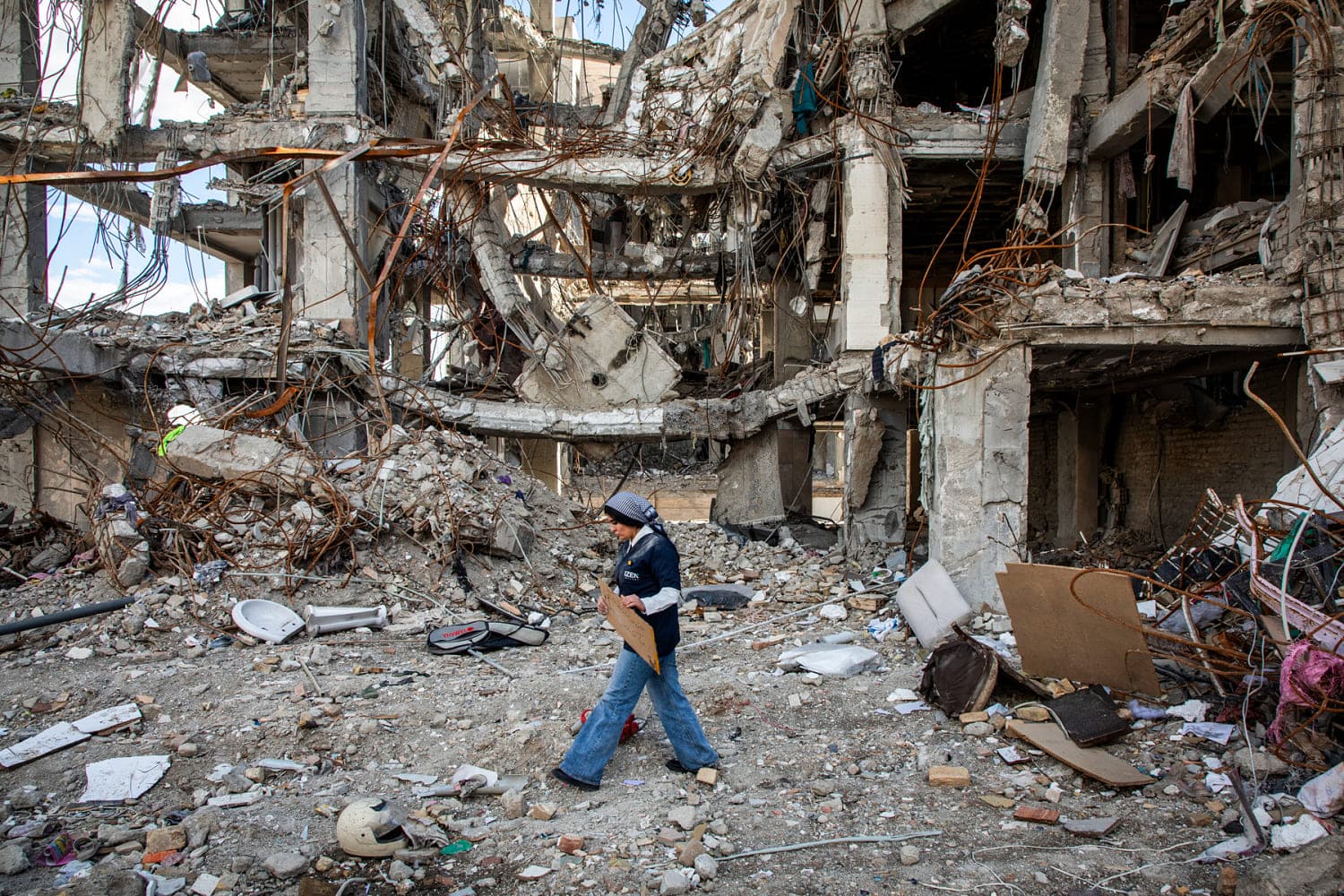
Here's what it means for you.
The ongoing conflict between Iran and the U.S. could disrupt global oil markets, affecting prices and availability.
Why it matters
The rejection of the ceasefire proposal signals a potential escalation in military actions that could impact global energy supplies.
What happened (in 30 seconds)
- Iran rejected a 45-day ceasefire proposal on April 6, 2026, as U.S. President Trump's ultimatum loomed.
- Tehran submitted a 10-point counterproposal demanding a permanent end to the war, citing prior U.S. strikes.
- A conditional two-week ceasefire was agreed upon on April 7, 2026, pending negotiations in Islamabad.
The context you actually need
- The 2026 U.S.-Israel-Iran war began on February 28, 2026, with significant U.S.-Israeli airstrikes that severely weakened Iran's military capabilities.
- Iran's closure of the Strait of Hormuz on March 4 disrupted approximately 25% of global seaborne oil transit, escalating tensions further.
- Trump's ultimatum for reopening the strait has been extended multiple times amid ongoing diplomatic efforts by Pakistan, Egypt, and Turkey.
What's really happening
The rejection of the U.S.-backed ceasefire proposal by Iran is rooted in a complex interplay of military, diplomatic, and economic factors. Since the onset of the U.S.-Israel-Iran war, Iranian military capabilities have been significantly degraded, with a reported 90% reduction in ballistic missile launch capacity due to targeted strikes. This has left Iran in a precarious position, where it must balance its military response with the need for diplomatic engagement to avoid further escalation.
Iran's counterproposal for a permanent peace plan reflects its desire to regain control and legitimacy in the region. The 10-point plan emphasizes sanctions relief, a complete U.S. withdrawal, and safe passage through the Strait of Hormuz, which is vital for global oil transport. By rejecting the temporary ceasefire, Iran is signaling that it views any interim measures as inadequate and potentially harmful to its long-term strategic interests.
President Trump's ultimatum, which includes threats of bombing critical infrastructure, adds another layer of urgency to the situation. The April 8 deadline for reopening the Strait of Hormuz is not just about military strategy; it also has significant economic implications. With oil prices already peaking above $111 per barrel, any further military action could lead to a spike in global oil prices, affecting economies worldwide.
The involvement of intermediaries like Pakistan highlights the complexities of international diplomacy in this conflict. As the situation unfolds, the potential for a broader regional conflict remains high, especially with ongoing missile alerts reported by UAE, Saudi Arabia, and Israel. The recent conditional ceasefire may provide temporary relief, but the underlying tensions and unresolved issues suggest that the conflict is far from over.
Who feels it first (and how)
- Energy sector professionals: Fluctuations in oil prices will directly impact their operations and profitability.
- Expatriates in Dubai: Heightened regional tensions may lead to an exodus, affecting local economies and housing markets.
- Investors in Gulf stocks: Ongoing instability could result in further losses, as seen with the $120 billion drop in UAE stocks since the conflict began.
What to watch next
- Diplomatic negotiations in Islamabad: The outcomes could determine the likelihood of a lasting ceasefire or further escalation.
- Oil price fluctuations: Monitoring price movements will provide insights into market reactions to military developments.
- Regional military readiness: Increased military alerts in neighboring countries may indicate preparations for potential conflict escalation.
The U.S. and Israel have significantly weakened Iranian military capabilities.
Continued diplomatic efforts will be made to avoid further escalation, but tensions remain high.
The long-term impacts on global oil markets and regional stability are difficult to predict.
Frequently Asked Questions
- Why it matters?
- The rejection of the ceasefire proposal signals a potential escalation in military actions that could impact global energy supplies.
- What happened (in 30 seconds)?
- Iran rejected a 45-day ceasefire proposal on April 6, 2026, as U.S. President Trump's ultimatum loomed. Tehran submitted a 10-point counterproposal demanding a permanent end to the war, citing prior U.S. strikes. A conditional two-week ceasefire was agreed upon on April 7, 2026, pending negotiations in Islamabad.
- What's really happening?
- The rejection of the U.S.-backed ceasefire proposal by Iran is rooted in a complex interplay of military, diplomatic, and economic factors. Since the onset of the U.S.-Israel-Iran war, Iranian military capabilities have been significantly degraded, with a reported 90% reduction in ballistic missile launch capacity due to targeted strikes. This has left Iran in a precarious position, where it must balance its military response with the need for diplomatic engagement to avoid further escalation.
- Who feels it first (and how)?
- Energy sector professionals: Fluctuations in oil prices will directly impact their operations and profitability. Expatriates in Dubai: Heightened regional tensions may lead to an exodus, affecting local economies and housing markets. Investors in Gulf stocks: Ongoing instability could result in further losses, as seen with the $120 billion drop in UAE stocks since the conflict began.
- What to watch next?
- Diplomatic negotiations in Islamabad: The outcomes could determine the likelihood of a lasting ceasefire or further escalation. Oil price fluctuations: Monitoring price movements will provide insights into market reactions to military developments. Regional military readiness: Increased military alerts in neighboring countries may indicate preparations for potential conflict escalation.
International coverage from The Guardian's global desks.
"The Guardian is known for its progressive editorial stance and in-depth analysis."
— A47 Editor
Middle East crisis live: Iran war ceasefire doesn’t include Lebanon, says Israel; Trump says uranium will be ‘taken care of’
A provisional ceasefire has been agreed upon between the U.S. and Iran, allowing for the reopening of the Strait of Hormuz for two weeks, despite Israel's assertion that the ceasefire does not extend to Lebanon. This agreement follows escalating tens...
Arabic-language UAE newspaper coverage focused on domestic affairs, public institutions, business, society, and regional developments.
"Al Khaleej coverage generally reflects a mainstream UAE editorial lens with strong attention to public affairs, institutions, and regional developments."
— A47 Editor
قبل انتهاء مهلة ترامب.. إيران ترفض «الهدنة المؤقتة» والقصف يتواصل
Tehran experienced a series of airstrikes on Tuesday, just hours before the deadline set by U.S. President Donald Trump, who threatened to destroy Iranian infrastructure if the Strait of Hormuz, a vital oil supply route, was not opened. Iran rejected...
Focused political reporting and governmental affairs.
"NBC News is a mainstream media outlet known for comprehensive national and international news coverage with a centrist to slightly left-leaning editorial tone."
— A47 Editor
Iran rejects temporary ceasefire proposal as Trump's deadline looms
Iran has officially rejected a U.S. proposal for a temporary ceasefire, asserting that a mere pause in hostilities is inadequate and demanding a comprehensive resolution to its security concerns. This rejection comes as President Donald Trump has set...
Arabic-language coverage of political affairs and current events.
"Okaz political coverage typically follows mainstream Saudi framing on national and regional affairs."
— A47 Editor
البيت الأبيض: ترمب لم يقبل بعد مقترح إنهاء حرب إيران
A senior White House official revealed that a proposal for a 45-day ceasefire in the ongoing conflict between the United States and Iran is under discussion, but President Trump has not yet officially accepted it. Negotiations are reportedly ongoing,...
Public radio coverage of American news and issues.
"NPR is an American public media organization known for thoughtful reporting and a slightly left-leaning editorial tone."
— A47 Editor
Iran rejects a U.S. ceasefire plan as Trump again threatens to bomb its infrastructure
Iran's top officials have firmly rejected a U.S. ceasefire plan and President Trump's ultimatum to reopen the Strait of Hormuz, amidst escalating tensions marked by missile exchanges between the two nations. This defiance underscores Iran's unwilling...
International stories from NPR’s global desk.
"NPR is an American public media organization known for thoughtful reporting and a slightly left-leaning editorial tone."
— A47 Editor
Iran rejects a U.S. ceasefire plan as Trump again threatens to bomb its infrastructure
Iran's top officials have firmly rejected a U.S. ceasefire plan and President Trump's ultimatum to reopen the Strait of Hormuz, amidst escalating tensions marked by missile exchanges between the two nations. This defiance underscores Iran's unwilling...