
Iran and US Reach 14-Day Ceasefire Linked to Strait of Hormuz Reopening
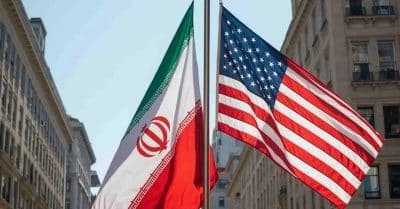
Here's what it means for you.
If you rely on global shipping or energy markets, this ceasefire could stabilize prices and improve logistics.
Why it matters
The ceasefire directly impacts global oil supply chains, affecting prices and economic stability worldwide.
What happened (in 30 seconds)
- April 8, 2026: Iran and the U.S. agreed to a 14-day ceasefire contingent on reopening the Strait of Hormuz.
- Ceasefire terms: U.S. military strikes on Iranian infrastructure are halted, allowing safe maritime passage under Iranian coordination.
- Market reaction: Crude oil prices dropped by 9-10%, while U.S. stock futures surged 900 points, indicating a shift towards risk-on sentiment.
The context you actually need
- Strait of Hormuz significance: This narrow waterway is crucial for 20-30% of global oil transit, making its stability vital for energy markets.
- Escalating tensions: The crisis escalated due to U.S. sanctions and military threats, prompting Iran to close the strait in retaliation.
- Diplomatic mediation: Pakistan played a key role in brokering the ceasefire, highlighting the importance of regional diplomacy in resolving conflicts.
What's really happening
The ceasefire agreement between Iran and the United States marks a significant de-escalation in a long-standing conflict that has threatened global oil supply and regional stability. The Strait of Hormuz is a critical chokepoint for oil transit, and its closure has far-reaching implications for energy prices and international trade. The U.S. had previously issued an ultimatum demanding the reopening of the strait, threatening military action if Iran did not comply. This high-stakes environment forced Iran to reconsider its position, leading to the acceptance of a 14-day ceasefire contingent upon the reopening of the strait.
The agreement allows for safe maritime passage through the strait under Iranian military coordination, which is a notable shift in the dynamics of U.S.-Iran relations. The ceasefire not only halts U.S. strikes on Iranian infrastructure but also opens the door for formal negotiations in Islamabad. This diplomatic engagement is crucial as it sets the stage for potential long-term resolutions to ongoing tensions.
Market reactions to the ceasefire have been immediate and significant. Crude oil prices plunged by approximately 9-10%, reflecting a decrease in perceived risk associated with oil supply disruptions. Simultaneously, U.S. stock futures surged, indicating investor optimism and a shift towards a risk-on sentiment in financial markets. This reaction underscores the interconnectedness of geopolitical events and market dynamics, where a ceasefire can lead to immediate economic benefits.
The ceasefire also highlights the role of third-party nations, such as Pakistan, in mediating conflicts and facilitating dialogue. Their involvement not only demonstrates the importance of regional diplomacy but also suggests a potential shift in how conflicts may be resolved in the future. As nations recognize the economic stakes involved, there may be increased pressure to pursue diplomatic solutions rather than military confrontations.
In summary, the ceasefire is a critical step towards stabilizing the region and restoring normalcy to global oil markets. However, the underlying tensions remain, and the success of this ceasefire will depend on the willingness of both parties to engage in constructive dialogue and address the root causes of their conflict.
Who feels it first (and how)
- Shipping companies: Benefit from stabilized routes and reduced shipping costs.
- Energy consumers: Experience lower fuel prices as oil prices decline.
- Financial markets: Investors gain confidence, leading to equity rallies and increased market activity.
- Middle Eastern economies: Countries reliant on oil exports see improved economic conditions with stabilized prices.
What to watch next
- Negotiation outcomes: The April 10 talks in Islamabad will determine the future of U.S.-Iran relations and potential long-term agreements.
- Market reactions: Continued fluctuations in oil prices and stock markets will signal investor sentiment and economic stability.
- Regional stability: Watch for shifts in diplomatic relations among Middle Eastern countries as they respond to the ceasefire and its implications.
The ceasefire is currently in effect, allowing safe passage through the Strait of Hormuz.
Negotiations in Islamabad will lead to further discussions on de-escalation and potential long-term agreements.
The long-term effectiveness of the ceasefire and whether it will lead to sustained peace remains uncertain.
Frequently Asked Questions
- Why it matters?
- The ceasefire directly impacts global oil supply chains, affecting prices and economic stability worldwide.
- What happened (in 30 seconds)?
- April 8, 2026: Iran and the U.S. agreed to a 14-day ceasefire contingent on reopening the Strait of Hormuz. Ceasefire terms: U.S. military strikes on Iranian infrastructure are halted, allowing safe maritime passage under Iranian coordination. Market reaction: Crude oil prices dropped by 9-10%, while U.S. stock futures surged 900 points, indicating a shift towards risk-on sentiment.
- What's really happening?
- The ceasefire agreement between Iran and the United States marks a significant de-escalation in a long-standing conflict that has threatened global oil supply and regional stability. The Strait of Hormuz is a critical chokepoint for oil transit, and its closure has far-reaching implications for energy prices and international trade. The U.S. had previously issued an ultimatum demanding the reopening of the strait, threatening military action if Iran did not comply. This high-stakes environment f
- Who feels it first (and how)?
- Shipping companies: Benefit from stabilized routes and reduced shipping costs. Energy consumers: Experience lower fuel prices as oil prices decline. Financial markets: Investors gain confidence, leading to equity rallies and increased market activity. Middle Eastern economies: Countries reliant on oil exports see improved economic conditions with stabilized prices.
- What to watch next?
- Negotiation outcomes: The April 10 talks in Islamabad will determine the future of U.S.-Iran relations and potential long-term agreements. Market reactions: Continued fluctuations in oil prices and stock markets will signal investor sentiment and economic stability. Regional stability: Watch for shifts in diplomatic relations among Middle Eastern countries as they respond to the ceasefire and its implications.
Top international stories selected by The Guardian editors.
"The Guardian is known for its progressive editorial stance and in-depth analysis."
— A47 Editor
US and Iran agree to provisional ceasefire as Tehran says it will reopen strait of Hormuz
The United States and Iran have reached a provisional two-week ceasefire, allowing for the reopening of the strategically important Strait of Hormuz. This agreement was facilitated by a last-minute diplomatic intervention from Pakistan, which came af...
Research, news, and analysis on blockchain startups, DeFi, and regulations.
"Crypto Briefing provides research, news, and analysis on blockchain startups, DeFi, and crypto regulations with investor-focused coverage."
— A47 Editor
Iran agrees to 14-day ceasefire contingent on Strait of Hormuz reopening
Iran has agreed to a 14-day ceasefire, contingent upon the reopening of the strategically important Strait of Hormuz, a vital route for global oil shipments. This ceasefire marks a potential shift towards diplomatic engagement amid ongoing tensions i...
Global markets, investing, and macroeconomics from a premier financial newsroom.
"Bloomberg is respected for in-depth financial reporting and data-driven analysis."
— A47 Editor
How Pakistan, China Played Roles in US-Iran Ceasefire
A ceasefire agreement has been brokered between the United States and Iran, with significant back-channel involvement from Pakistan and China, as reported by Bloomberg journalists and former US intelligence adviser Michael Pregent. This development a...
News from the United States including domestic politics, society, and culture.
"The Guardian is known for its progressive editorial stance and in-depth analysis, often advocating for social justice, environmental issues, and liberal values."
— A47 Editor
US and Iran agree to provisional ceasefire with Tehran saying it will reopen strait of Hormuz
The United States and Iran have reached a provisional two-week ceasefire, facilitated by a last-minute diplomatic intervention from Pakistan, which effectively canceled an ultimatum from President Donald Trump demanding Iran's surrender or face sever...