
US and Iran to Begin Peace Talks in Islamabad After Ceasefire Agreement Brokered by Pakistan
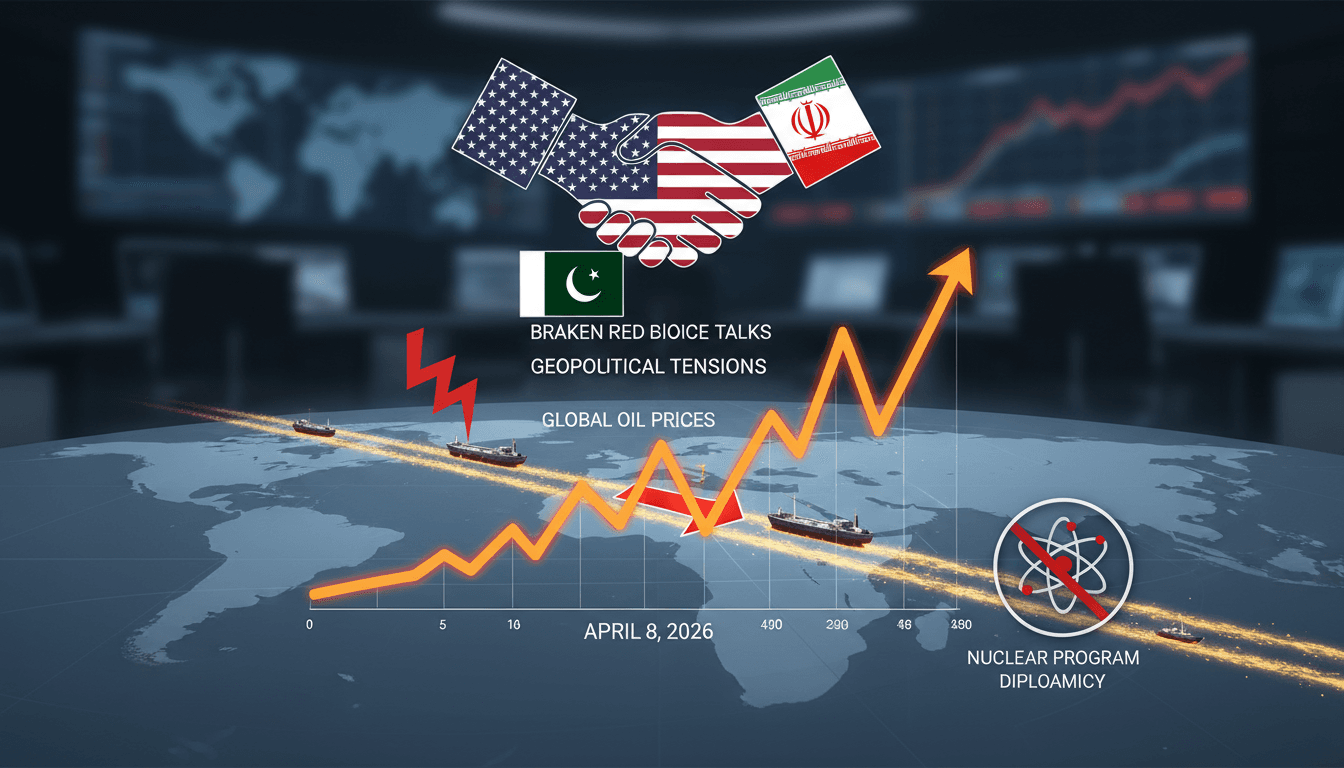
Here's what it means for you.
The outcome of these talks could significantly impact global oil prices and economic stability, affecting your cost of living.
Why it matters
A successful resolution could stabilize oil markets and reduce geopolitical tensions, directly influencing global economies.
What happened (in 30 seconds)
- Pakistan announced diplomatic talks between the US and Iran to begin in Islamabad following a two-week ceasefire agreement.
- The ceasefire, brokered by Pakistani Prime Minister Shehbaz Sharif, requires Iran to ensure safe passage through the Strait of Hormuz.
- Violations have emerged, including Israeli strikes in Lebanon, raising concerns about the fragility of the truce.
The context you actually need
- The conflict escalated on February 28, 2026, when the US and Israel launched strikes on Iran to dismantle its nuclear program.
- Iran retaliated by partially blockading the Strait of Hormuz, disrupting 20% of global oil transit and spiking prices.
- Pakistan leveraged its ties with all parties to propose a ceasefire, facilitating backchannel negotiations.
What's really happening
The ceasefire agreement marks a critical turning point in a conflict that has escalated over the past few months. The US and Israel initiated military action against Iran, citing concerns over its nuclear ambitions and regional influence. This led to Iran's strategic response of blocking the Strait of Hormuz, a vital shipping route for global oil, which resulted in significant disruptions to oil supply and soaring prices.
The two-week ceasefire brokered by Pakistan is a delicate arrangement that aims to provide a platform for more comprehensive negotiations. The US, under President Donald Trump, accepted the ceasefire proposal, contingent upon Iran reopening the Strait of Hormuz. This is crucial not only for regional stability but also for the global economy, as the Strait is responsible for the transit of approximately 20% of the world's oil supply.
The upcoming talks in Islamabad will focus on Iran's 10-point proposal, which includes demands for sanctions relief and oversight of the Strait of Hormuz. However, the situation remains precarious. Reports of violations, such as Israeli airstrikes in Lebanon and Iran's restrictions on Hormuz, threaten to undermine the ceasefire. These developments highlight the complex interplay of regional politics, where multiple actors have vested interests in the outcome.
The implications of these talks extend beyond the immediate parties involved. A successful negotiation could lead to a stabilization of oil prices, which have already seen a 14% decline following the ceasefire announcement. Conversely, failure could reignite hostilities, leading to further disruptions in oil supply and economic instability.
As the situation unfolds, the actions of key players—particularly Israel and Iran—will be closely monitored. The fragility of the ceasefire underscores the need for continued diplomatic engagement and the potential for escalation if negotiations falter.
Who feels it first (and how)
- Oil consumers: Fluctuations in oil prices directly affect fuel costs and living expenses.
- Businesses: Companies reliant on stable oil prices for logistics and operations will feel the impact of any price changes.
- Investors: Market volatility linked to geopolitical tensions can influence stock prices and investment strategies.
- Middle Eastern countries: Nations in the region will be affected by shifts in security dynamics and economic conditions.
What to watch next
- The outcome of the Islamabad talks: Success could lead to a more stable oil market, while failure may escalate tensions and disrupt supply chains.
- Iran's compliance with the ceasefire: Continued violations could undermine negotiations and lead to renewed conflict.
- Global oil price trends: Watch for fluctuations in Brent crude prices as a barometer for market reactions to developments in the region.
The ceasefire is currently in effect but fragile, with reported violations.
The Islamabad talks will address Iran's 10-point proposal and may lead to further negotiations.
The long-term impact on regional stability and oil prices remains uncertain, depending on compliance and future actions by involved parties.
Frequently Asked Questions
- Why it matters?
- A successful resolution could stabilize oil markets and reduce geopolitical tensions, directly influencing global economies.
- What happened (in 30 seconds)?
- Pakistan announced diplomatic talks between the US and Iran to begin in Islamabad following a two-week ceasefire agreement. The ceasefire, brokered by Pakistani Prime Minister Shehbaz Sharif, requires Iran to ensure safe passage through the Strait of Hormuz. Violations have emerged, including Israeli strikes in Lebanon, raising concerns about the fragility of the truce.
- What's really happening?
- The ceasefire agreement marks a critical turning point in a conflict that has escalated over the past few months. The US and Israel initiated military action against Iran, citing concerns over its nuclear ambitions and regional influence. This led to Iran's strategic response of blocking the Strait of Hormuz, a vital shipping route for global oil, which resulted in significant disruptions to oil supply and soaring prices. The two-week ceasefire brokered by Pakistan is a delicate arrangement th
- Who feels it first (and how)?
- Oil consumers: Fluctuations in oil prices directly affect fuel costs and living expenses. Businesses: Companies reliant on stable oil prices for logistics and operations will feel the impact of any price changes. Investors: Market volatility linked to geopolitical tensions can influence stock prices and investment strategies. Middle Eastern countries: Nations in the region will be affected by shifts in security dynamics and economic conditions.
- What to watch next?
- The outcome of the Islamabad talks: Success could lead to a more stable oil market, while failure may escalate tensions and disrupt supply chains. Iran's compliance with the ceasefire: Continued violations could undermine negotiations and lead to renewed conflict. Global oil price trends: Watch for fluctuations in Brent crude prices as a barometer for market reactions to developments in the region.
24/7 international news from a French perspective in multiple languages.
"France 24 is viewed as a globally focused outlet with balanced coverage and a European perspective."
— A47 Editor
Talks to be held in Pakistan after US, Israel agree to ceasefire with Iran
Iranian President Masoud Pezeshkian has confirmed Iran's participation in upcoming negotiations with the United States in Islamabad, following a two-week ceasefire agreement between the US, Israel, and Iran. This ceasefire aims to de-escalate tension...
Regional coverage and analysis focused on politics, diplomacy, and business across the Middle East.
"Al-Monitor is known for analytical reporting on Middle East politics and policy developments."
— A47 Editor
Pakistan PM Sharif says Pezeshkian has confirmed Iran's participation in Islamabad talks
Iranian President Masoud Pezeshkian has confirmed Iran's participation in upcoming negotiations with the U.S. in Islamabad, aimed at resolving ongoing conflicts. This announcement was made by Pakistani Prime Minister Shehbaz Sharif's office, highligh...
English-language reporting on Saudi politics, policy, and society.
"Saudi Gazette reflects mainstream Saudi institutional perspectives."
— A47 Editor
World welcomes US-Iran ceasefire, calls for lasting peace in Middle East
A two-week ceasefire between the United States and Iran has been announced, following escalating military tensions in the region. This truce, confirmed by US President Donald Trump, will also see Iran reopen the Strait of Hormuz, a crucial maritime c...
English-language news from Qatar covering domestic and regional affairs.
"Gulf Times reflects Qatari perspectives on regional developments."
— A47 Editor
Pakistan to host US-Iran peace talks Friday following ceasefire
Pakistani Prime Minister Muhammad Shehbaz Sharif announced that Islamabad will host high-level delegations from the United States and Iran on Friday to negotiate a definitive peace agreement following a recently established ceasefire. This initiative...
Arabic-language coverage of political affairs and current events.
"Okaz political coverage typically follows mainstream Saudi framing on national and regional affairs."
— A47 Editor
رئيس وزراء باكستان: مفاوضات أمريكية إيرانية حاسمة في إسلام آباد.. الجمعة
Pakistani Prime Minister Shahbaz Sharif announced a significant agreement for an immediate ceasefire between the United States and Iran, with crucial negotiations set to take place in Islamabad on Friday. This development aims to establish a lasting ...