
Trump Optimistic About Iran Peace Deal Amid Ceasefire Challenges
Here's what it means for you.
If you rely on oil or are involved in international trade, the ongoing tensions and potential resolutions in the Middle East will directly impact your costs and logistics.
Why it matters
The fragile ceasefire and potential peace negotiations could significantly influence global oil prices and shipping routes.
What happened (in 30 seconds)
- Trump expressed optimism for a peace deal with Iran during an NBC interview, despite a strained ceasefire.
- Only five ships transited the Strait of Hormuz on April 8, a stark contrast to the pre-war average of 110, indicating severe disruptions.
- Vice President Vance is leading a delegation to Pakistan for direct talks, aiming to stabilize the situation.
The context you actually need
- A nearly six-week conflict between the U.S. and Iran escalated due to Israeli operations against Hezbollah and Iran's closure of the Strait of Hormuz.
- The ceasefire, announced on April 7, was contingent on Iran reopening the Strait, which remains closed, affecting global oil shipments.
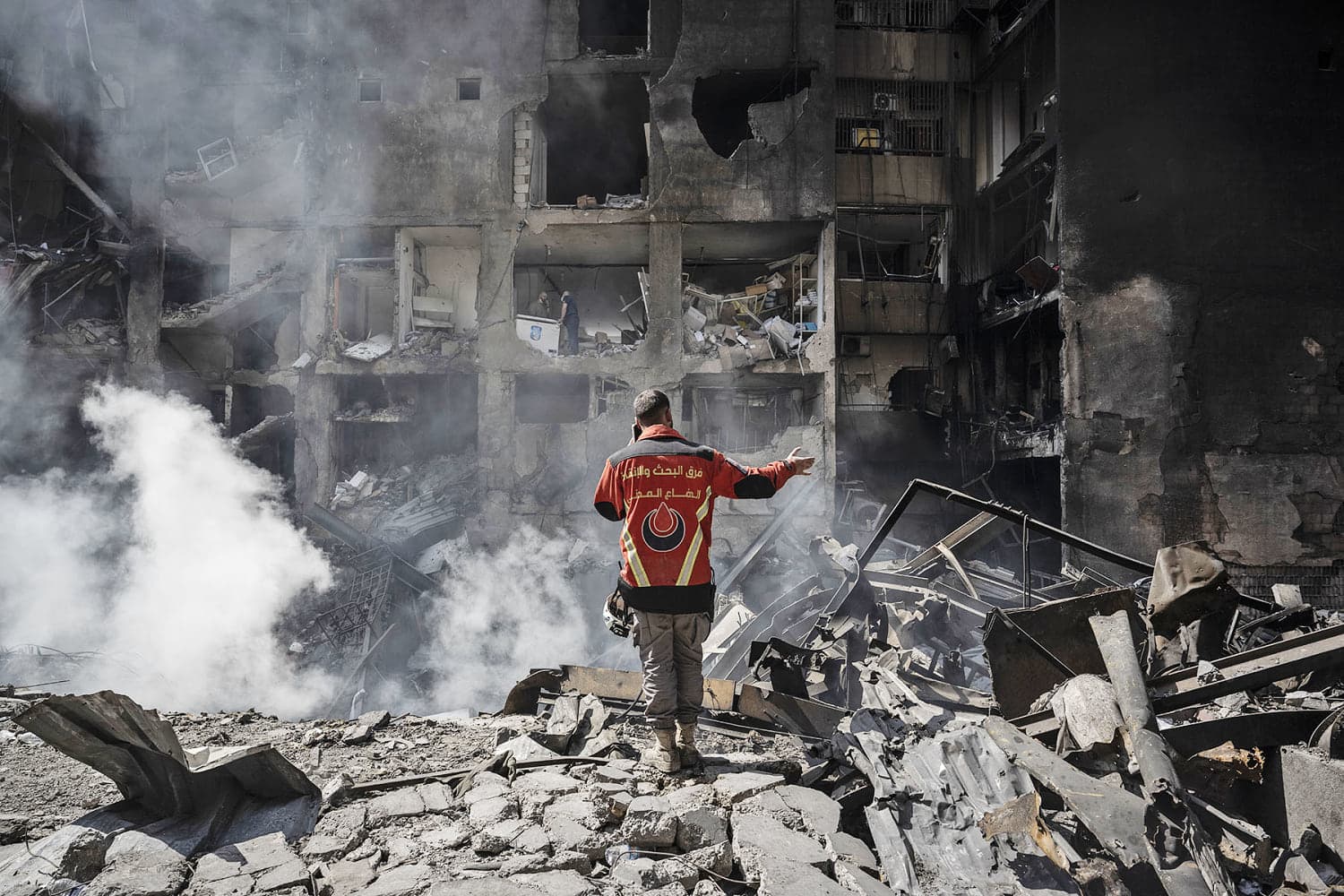
- Israeli strikes in Lebanon have resulted in significant civilian casualties, complicating the humanitarian situation and diplomatic negotiations.
What's really happening
The recent optimism expressed by President Trump regarding a peace deal with Iran comes amid a backdrop of heightened tensions and military actions that have disrupted the region's stability. The U.S.-Iran conflict has been exacerbated by Israeli operations against Hezbollah, which Iran supports, leading to a closure of the crucial Strait of Hormuz. This strait is vital for global oil shipments, and its closure has led to a significant drop in maritime traffic. On April 8, only five ships crossed the strait, all bulk carriers, compared to a pre-war daily average of around 110 vessels, indicating a severe disruption to trade and energy supplies.
The ceasefire announced on April 7 was a response to escalating threats from Trump, who had warned of severe consequences for Iran if it did not comply with U.S. demands. The ceasefire is conditional, requiring Iran to reopen the Strait of Hormuz, which remains a contentious point. The ongoing Israeli strikes in southern Lebanon have further complicated the situation, with reports of civilian casualties adding pressure on diplomatic negotiations.
Trump's optimism may be rooted in the private discussions that suggest some level of cooperation from Iranian officials. However, the public statements from Iranian advisers indicate that military actions could jeopardize these negotiations. The U.S. administration is also facing pressure from its allies, particularly Israel, to ensure that Hezbollah is excluded from any peace talks, complicating the diplomatic landscape.
As Vice President JD Vance leads a delegation to Pakistan for talks, the outcome of these negotiations will be critical. The Pakistani government has called for restraint from all parties involved, indicating a desire for regional stability. However, the situation remains precarious, with oil prices reacting to the uncertainty surrounding the ceasefire and the potential for renewed conflict.
The economic implications of this situation are significant, especially for countries reliant on oil exports and imports. The UAE, for example, is facing rising fuel prices and supply chain disruptions as its oil exports remain curtailed due to the ongoing conflict. The CEO of ADNOC has stated that the Strait of Hormuz "is not open," which is exacerbating economic pressures in the Gulf region.
Who feels it first (and how)
- Oil traders: Immediate fluctuations in oil prices due to supply disruptions and geopolitical tensions.
- Shipping companies: Increased costs and logistical challenges from limited access to the Strait of Hormuz.
- Middle Eastern economies: Countries like the UAE facing economic pressures from rising fuel prices and disrupted trade routes.
What to watch next
- Negotiation outcomes in Pakistan: The success or failure of talks led by Vice President Vance will indicate the likelihood of a lasting peace deal.
- Oil price fluctuations: Monitor changes in oil prices as they reflect market reactions to the ceasefire's stability and the reopening of shipping routes.
- Humanitarian developments in Lebanon: The situation for civilians affected by ongoing Israeli strikes could influence international responses and pressure for a broader peace agreement.
The ceasefire is currently strained, with ongoing military actions affecting negotiations.
Continued volatility in oil prices as the situation evolves and negotiations unfold.
The long-term effectiveness of the ceasefire and whether it will lead to a comprehensive peace agreement.
Frequently Asked Questions
- Why it matters?
- The fragile ceasefire and potential peace negotiations could significantly influence global oil prices and shipping routes.
- What happened (in 30 seconds)?
- Trump expressed optimism for a peace deal with Iran during an NBC interview, despite a strained ceasefire. Only five ships transited the Strait of Hormuz on April 8, a stark contrast to the pre-war average of 110, indicating severe disruptions. Vice President Vance is leading a delegation to Pakistan for direct talks, aiming to stabilize the situation.
- What's really happening?
- The recent optimism expressed by President Trump regarding a peace deal with Iran comes amid a backdrop of heightened tensions and military actions that have disrupted the region's stability. The U.S.-Iran conflict has been exacerbated by Israeli operations against Hezbollah, which Iran supports, leading to a closure of the crucial Strait of Hormuz. This strait is vital for global oil shipments, and its closure has led to a significant drop in maritime traffic. On April 8, only five ships crosse
- Who feels it first (and how)?
- Oil traders: Immediate fluctuations in oil prices due to supply disruptions and geopolitical tensions. Shipping companies: Increased costs and logistical challenges from limited access to the Strait of Hormuz. Middle Eastern economies: Countries like the UAE facing economic pressures from rising fuel prices and disrupted trade routes.
- What to watch next?
- Negotiation outcomes in Pakistan: The success or failure of talks led by Vice President Vance will indicate the likelihood of a lasting peace deal. Oil price fluctuations: Monitor changes in oil prices as they reflect market reactions to the ceasefire's stability and the reopening of shipping routes. Humanitarian developments in Lebanon: The situation for civilians affected by ongoing Israeli strikes could influence international responses and pressure for a broader peace agreement.
Arabic-language UAE newspaper coverage focused on domestic affairs, public institutions, business, society, and regional developments.
"Al Khaleej coverage generally reflects a mainstream UAE editorial lens with strong attention to public affairs, institutions, and regional developments."
— A47 Editor
ترامب يبشر بسلام وشيك مع إيران ويحذر: «إما الاتفاق أو الألم الشديد»
President Donald Trump expressed optimism about reaching a peace agreement with Iran during an interview with NBC News, stating he is "very hopeful" for a resolution. He emphasized the urgency of the situation, warning that it is either an agreement ...
Arabic-language political and world news coverage for UAE readers.
"Emarat Al Youm world coverage usually presents international developments through a UAE and Arab audience lens."
— A47 Editor
ترامب: متفائل بأن اتفاق سلام مع إيران بات قريباً ترامب: متفائل بأن اتفاق سلام مع إيران بات قريباً
U.S. President Donald Trump expressed optimism about reaching a peace agreement with Iran during an interview with NBC News. He indicated that the possibility of a resolution is closer than ever, reflecting a significant shift in diplomatic relations...
National headlines across the United States including breaking stories and societal issues.
"NBC News is a mainstream media outlet known for comprehensive national and international news coverage with a centrist to slightly left-leaning editorial tone."
— A47 Editor
Trump 'optimistic' about Iran peace deal even as ceasefire appears strained
President Donald Trump expressed optimism regarding a potential peace deal with Iran during an interview with NBC News, stating he believes an agreement is within reach despite ongoing tensions and a strained ceasefire.
Comprehensive coverage of global events, politics, and international issues.
"NBC News is a mainstream outlet known for comprehensive national and international coverage with a centrist to slightly left-leaning editorial tone."
— A47 Editor
Trump 'optimistic' about Iran peace deal even as ceasefire appears strained
President Donald Trump expressed optimism regarding a potential peace deal with Iran during an interview with NBC News, stating he believes an agreement is within reach despite ongoing tensions and a strained ceasefire.
RT is a Russian state-funded network covering global events from a Russian perspective.
"RT is widely criticized for promoting pro-Kremlin narratives and is considered by many to be a state propaganda outlet."
— A47 Editor
What is in the US-Iran peace deal? What we know so far
The United States and Iran have reached a provisional two-week ceasefire, announced by President Donald Trump, which will allow for negotiations on Iran's proposed 10-point peace plan. This agreement comes after heightened tensions and threats from T...