
US Military Reinforcement in Persian Gulf Amid US-Iran Negotiations Signals Potential End to Ongoing Conflict
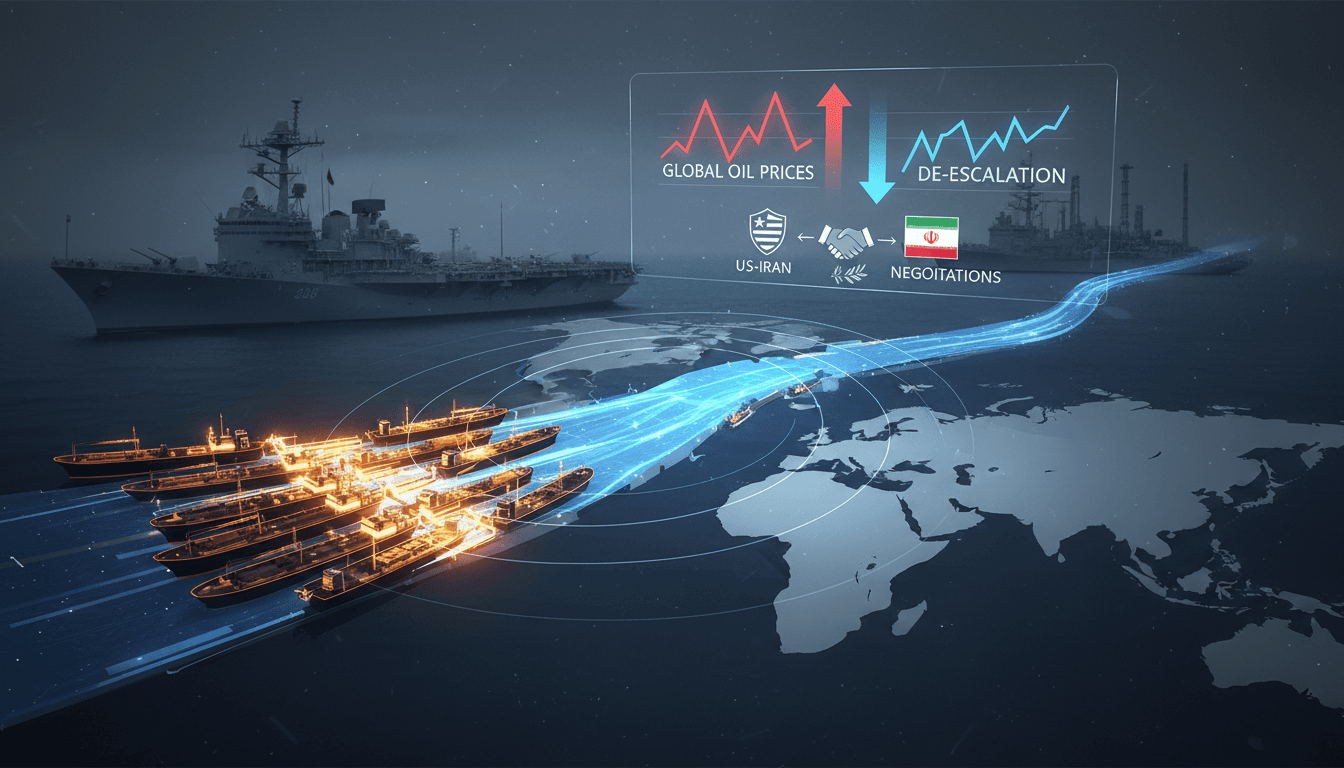
Here's what it means for you.
Rising oil prices and geopolitical tensions could impact your cost of living and investment strategies.
Why it matters
The ongoing US-Iran negotiations and military movements are reshaping global oil markets and regional stability.
What happened (in 30 seconds)
- US military deployments: Over 10,000 additional troops are being sent to the Persian Gulf amid escalating tensions.
- Diplomatic talks resume: Direct negotiations between the US and Iran are taking place in Islamabad, aiming to conclude the ongoing conflict.
- Israel's military actions: Ground operations in southern Lebanon are intensifying, with potential ceasefire discussions on the horizon.
The context you actually need
- 2026 Iran War: The conflict began in February 2026 with US-Israeli airstrikes, leading to Iran's blockade of the Strait of Hormuz, disrupting 20% of global oil transit.
- Economic implications: The blockade has caused oil prices to spike, with Brent crude recently exceeding $100 per barrel, affecting global markets and local economies.
- Geopolitical dynamics: The US is balancing military pressure on Iran while pursuing diplomatic solutions, with Israel's actions in Lebanon complicating the situation further.
What's really happening
The current situation in the Persian Gulf is a complex interplay of military strategy and diplomatic negotiations. The US has reinforced its military presence in the region, deploying over 10,000 additional troops to deter Iranian aggression and maintain stability. This move comes as the US and Iran engage in direct talks in Islamabad, signaling a potential shift towards de-escalation after months of conflict.
The 2026 Iran War, which began with joint US-Israeli airstrikes, has severely impacted global oil markets. Iran's blockade of the Strait of Hormuz has not only disrupted oil transit but has also led to significant price increases, with Brent crude recently surpassing $100 per barrel. This spike in oil prices is felt acutely in regions like Dubai, where residents are facing rising fuel costs and economic uncertainty.
As the US maintains its counter-blockade on Iranian shipping, the economic strain on Iran is expected to increase, potentially pushing the regime towards a more conciliatory stance in negotiations. However, the US is also under pressure to avoid concessions that could empower Iran, such as the release of $6 billion in assets or sanction relief.
Israel's military operations in southern Lebanon add another layer of complexity. The Israeli government, under Prime Minister Benjamin Netanyahu, is advancing ground operations while adhering to US directives to limit escalation. The focus on symbolic sites like Bint Jbeil reflects Israel's strategic interests, but it also raises the stakes for a broader regional conflict.
The potential for a ceasefire in Lebanon, coupled with ongoing negotiations in Islamabad, suggests that both sides are exploring avenues for de-escalation. However, the situation remains fluid, with military actions and diplomatic efforts closely intertwined.
Who feels it first (and how)
- Consumers in Dubai: Rising fuel prices and living costs due to increased oil prices.
- Investors: Volatility in the Dubai Financial Market and global oil stocks.
- Energy sector workers: Potential job impacts from fluctuating oil prices and market instability.
- Geopolitical analysts: Increased scrutiny on Middle Eastern dynamics and their global implications.
What to watch next
- Oil price fluctuations: Monitor Brent crude prices as they could influence economic stability in the UAE and beyond.
- US-Iran negotiation outcomes: The results of ongoing talks could dictate future military and economic policies in the region.
- Israeli military actions: Any escalation or de-escalation in Lebanon could significantly impact regional stability and international relations.
The US has deployed additional troops to the Persian Gulf.
Oil prices will remain volatile as geopolitical tensions fluctuate.
The long-term outcomes of US-Iran negotiations and their impact on regional stability.
Frequently Asked Questions
- Why it matters?
- The ongoing US-Iran negotiations and military movements are reshaping global oil markets and regional stability.
- What happened (in 30 seconds)?
- US military deployments: Over 10,000 additional troops are being sent to the Persian Gulf amid escalating tensions. Diplomatic talks resume: Direct negotiations between the US and Iran are taking place in Islamabad, aiming to conclude the ongoing conflict. Israel's military actions: Ground operations in southern Lebanon are intensifying, with potential ceasefire discussions on the horizon.
- What's really happening?
- The current situation in the Persian Gulf is a complex interplay of military strategy and diplomatic negotiations. The US has reinforced its military presence in the region, deploying over 10,000 additional troops to deter Iranian aggression and maintain stability. This move comes as the US and Iran engage in direct talks in Islamabad, signaling a potential shift towards de-escalation after months of conflict. The 2026 Iran War, which began with joint US-Israeli airstrikes, has severely impacte
- Who feels it first (and how)?
- Consumers in Dubai: Rising fuel prices and living costs due to increased oil prices. Investors: Volatility in the Dubai Financial Market and global oil stocks. Energy sector workers: Potential job impacts from fluctuating oil prices and market instability. Geopolitical analysts: Increased scrutiny on Middle Eastern dynamics and their global implications.
- What to watch next?
- Oil price fluctuations: Monitor Brent crude prices as they could influence economic stability in the UAE and beyond. US-Iran negotiation outcomes: The results of ongoing talks could dictate future military and economic policies in the region. Israeli military actions: Any escalation or de-escalation in Lebanon could significantly impact regional stability and international relations.
Pan-Arab political news and analysis.
"Al-Quds Al-Arabi is a London-based Arabic newspaper known for political coverage."
— A47 Editor
هآرتس: تحشد عسكرياً نحو “الخليج الفارسي” وتعلن قرب نهاية الحرب.. ماذا تخفي واشنطن؟
Upcoming talks between the United States and Iran are set to resume in Pakistan, focusing on a framework agreement aimed at ending the ongoing war. Contrary to initial impressions from the first round of negotiations, the discussions have not complet...
RT is a Russian state-funded network covering global events from a Russian perspective.
"RT is widely criticized for promoting pro-Kremlin narratives and is considered by many to be a state propaganda outlet."
— A47 Editor
Pakistan-mediated US-Iran talks nearing breakthrough – media
Recent reports indicate that talks mediated by Pakistan between the United States and Iran are approaching a significant breakthrough regarding Iran's nuclear program, with optimism growing for a new round of negotiations in Islamabad.