
UK Declines Support for US Blockade of Strait of Hormuz Amid Iran Conflict
Here's what it means for you.
If you rely on global energy markets, the UK's decision could impact your household energy bills.
Why it matters
The Strait of Hormuz is a critical chokepoint for global oil shipments, and any disruption can lead to significant price fluctuations.
What happened (in 30 seconds)
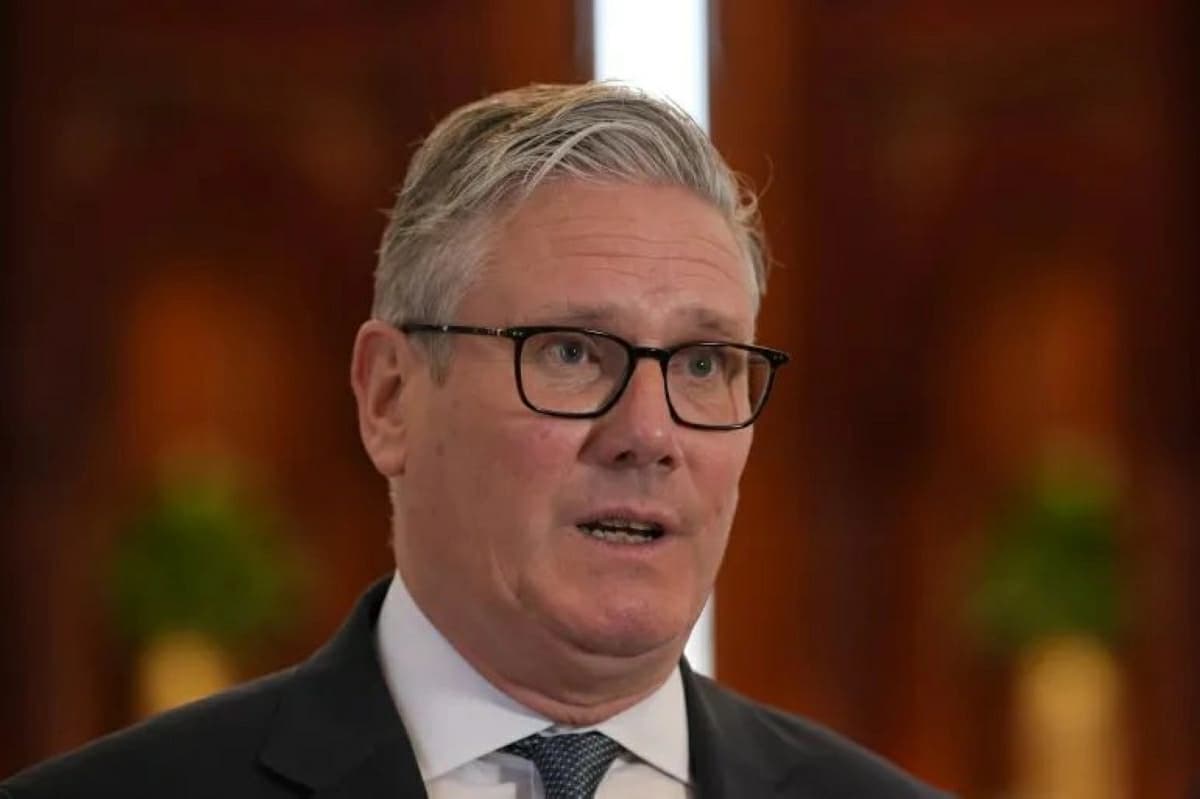
- Keir Starmer confirmed that the UK will not support a US blockade of the Strait of Hormuz amid rising tensions with Iran.
- Oil prices surged over 8% following the announcement, with Brent crude surpassing $100 per barrel.
- The UK is pursuing multilateral diplomatic efforts to restore navigation in the strait while the US advances its blockade independently.
The context you actually need
- The Strait of Hormuz accounts for approximately 20% of global oil shipments, making it a vital artery for energy supplies.
- The 2026 Iran conflict escalated following failed peace talks, prompting the US to propose a blockade to pressure Iran.
- Starmer's approach emphasizes diplomatic solutions over military involvement, reflecting a shift in UK foreign policy priorities.
What's really happening
On April 13, 2026, UK Prime Minister Keir Starmer made a clear statement during a Radio 5 Live interview, asserting that the UK would not support the US blockade of the Strait of Hormuz. This decision comes in the wake of escalating tensions in the region due to the ongoing Iran conflict, which has seen the US and Israel engage in military actions against Iranian targets. The strait, a crucial passage for oil shipments, has faced navigation restrictions, raising concerns over global energy prices.
Starmer's emphasis on diplomacy highlights a strategic pivot for the UK, as he seeks to convene over 40 nations to discuss freedom-of-navigation plans. This multilateral approach aims to mitigate the risks associated with the blockade and ensure the stability of oil supplies. The UK’s minesweeping capabilities were also mentioned, indicating a readiness to protect shipping routes without direct military confrontation.
The immediate aftermath of Starmer's announcement saw oil prices jump, with Brent crude exceeding $100 per barrel. This spike reflects market anxiety over potential supply disruptions, which could have far-reaching implications for consumers and businesses reliant on stable energy prices. The UK government is under pressure to stabilize energy costs for households, especially with local elections approaching.
While the US continues to advance its blockade strategy, the UK's refusal to participate may strain relations with its allies, particularly those who support a more aggressive stance against Iran. The UK opposition has criticized Starmer's decision, suggesting that it could weaken the country's influence in international affairs. However, Starmer's focus on diplomatic engagement may resonate with voters who prioritize peace and stability over military intervention.
As the situation evolves, the UK’s diplomatic efforts will be closely monitored, particularly in light of the upcoming UK-France summit aimed at establishing multinational shipping safeguards. The broader implications of this decision will likely shape the future of UK foreign policy and its role in global energy security.
Who feels it first (and how)
- Consumers: Households may face higher energy bills due to rising oil prices.
- Businesses: Companies reliant on oil and gas may experience increased operational costs.
- Energy markets: Traders and investors will react to price volatility and geopolitical developments.
- Allied nations: Countries supporting the US blockade may feel diplomatic tensions with the UK.
What to watch next
- Oil price trends: Monitor Brent crude prices for signs of stabilization or further increases, as this directly impacts global energy costs.
- Diplomatic engagements: Watch for outcomes from the UK-France summit and any new multilateral agreements on shipping security.
- US-UK relations: Observe how the UK’s non-support affects its diplomatic ties with the US and other allies in the region.
The Strait of Hormuz is a critical passage for global oil shipments.
Oil prices will remain volatile as geopolitical tensions persist.
The long-term impact of the UK’s diplomatic approach on its international standing and energy security.
Frequently Asked Questions
- Why it matters?
- The Strait of Hormuz is a critical chokepoint for global oil shipments, and any disruption can lead to significant price fluctuations.
- What happened (in 30 seconds)?
- Keir Starmer confirmed that the UK will not support a US blockade of the Strait of Hormuz amid rising tensions with Iran. Oil prices surged over 8% following the announcement, with Brent crude surpassing $100 per barrel. The UK is pursuing multilateral diplomatic efforts to restore navigation in the strait while the US advances its blockade independently.
- What's really happening?
- On April 13, 2026, UK Prime Minister Keir Starmer made a clear statement during a Radio 5 Live interview, asserting that the UK would not support the US blockade of the Strait of Hormuz. This decision comes in the wake of escalating tensions in the region due to the ongoing Iran conflict, which has seen the US and Israel engage in military actions against Iranian targets. The strait, a crucial passage for oil shipments, has faced navigation restrictions, raising concerns over global energy price
- Who feels it first (and how)?
- Consumers: Households may face higher energy bills due to rising oil prices. Businesses: Companies reliant on oil and gas may experience increased operational costs. Energy markets: Traders and investors will react to price volatility and geopolitical developments. Allied nations: Countries supporting the US blockade may feel diplomatic tensions with the UK.
- What to watch next?
- Oil price trends: Monitor Brent crude prices for signs of stabilization or further increases, as this directly impacts global energy costs. Diplomatic engagements: Watch for outcomes from the UK-France summit and any new multilateral agreements on shipping security. US-UK relations: Observe how the UK’s non-support affects its diplomatic ties with the US and other allies in the region.
International coverage from The Guardian's global desks.
"The Guardian is known for its progressive editorial stance and in-depth analysis."
— A47 Editor
Starmer says ‘highly fragile’ ceasefire with Iran should include Lebanon – UK politics live
UK Prime Minister Keir Starmer has emphasized the need for a 'highly fragile' ceasefire with Iran to include Lebanon, highlighting the importance of regional cooperation to reopen the Strait of Hormuz. This statement comes amid rising tensions follow...
English-language reporting on Saudi politics, policy, and society.
"Saudi Gazette reflects mainstream Saudi institutional perspectives."
— A47 Editor
Starmer says UK will not support US blockade of Hormuz Strait
British Prime Minister Keir Starmer announced that the UK will not support the US blockade of the Strait of Hormuz, a decision made in light of the recent tensions following the collapse of peace talks between the US and Iran. Starmer emphasized the ...
Global news coverage with extensive reporting on Middle Eastern conflicts and geopolitics.
"Al Jazeera is a Qatar-based broadcaster known for wide regional coverage and alternative perspectives."
— A47 Editor
Starmer says UK will not support US blockade of Strait of Hormuz
UK Prime Minister Keir Starmer has announced that the United Kingdom will not support the U.S. blockade of the Strait of Hormuz, a critical maritime route for global oil shipments. This decision comes amid rising tensions in the region following U.S....
Comprehensive coverage of Middle Eastern and global issues.
"Al Jazeera is a prominent voice from the Global South, especially the Middle East, with an emphasis on underreported stories."
— A47 Editor
Starmer says UK will not support US blockade of Strait of Hormuz
UK Prime Minister Keir Starmer has announced that the United Kingdom will not support the U.S. blockade of the Strait of Hormuz, a critical maritime route for global oil shipments. This decision comes amid rising tensions in the region following U.S....
UAE-based English-language newspaper covering regional politics, economics, and global affairs.
"The National reflects Emirati policy perspectives while maintaining international editorial standards."
— A47 Editor
Starmer and Macron challenge Trump over US blockade of Strait of Hormuz
British Prime Minister Keir Starmer and French President Emmanuel Macron have publicly challenged U.S. President Donald Trump's announcement of a blockade on the Strait of Hormuz, a vital maritime route for global oil shipments, amid escalating tensi...
Political developments, policy debates, elections, and government affairs in the UK.
"BBC News is widely regarded as a reputable international news organization, known for its impartial tone and public service mandate."
— A47 Editor
Starmer says UK will not join Trump's blockade of Iran's ports
UK Labour leader Keir Starmer announced that the United Kingdom will not participate in the naval blockade of Iran's ports ordered by U.S. President Donald Trump, despite the ongoing tensions in the region. UK minesweepers and anti-drone capabilities...
Oil, metals, and agriculture: supply/demand headlines, OPEC chatter, inventories, and price action.
"Solid tape for energy and metals traders tracking macro and micro catalysts."
— A47 Editor
UK will not back blockade of Strait of Hormuz, PM Starmer says
UK Prime Minister Keir Starmer has announced that the UK will not support any blockade of the Strait of Hormuz, a crucial maritime route for global oil shipments, amid rising tensions with Iran. This statement emphasizes the UK's position of non-invo...
Macro commentary, policy analysis, growth/inflation themes, and global outlooks.
"Contextual macro coverage that complements day-to-day market headlines."
— A47 Editor
Starmer says UK will not join Iran blockade
UK Prime Minister Keir Starmer has stated that the UK will not participate in the blockade of Iran, which is set to be implemented by the U.S. military starting Monday. This decision comes amid escalating tensions following the collapse of peace nego...
Regional coverage and analysis focused on politics, diplomacy, and business across the Middle East.
"Al-Monitor is known for analytical reporting on Middle East politics and policy developments."
— A47 Editor
UK will not back blockade of Strait of Hormuz, PM Starmer says
British Prime Minister Keir Starmer announced that the UK will not support a blockade of the Strait of Hormuz, emphasizing the importance of reopening this critical maritime route for global oil transport. He stated that the UK’s efforts will focus o...
Regional and international reporting focused on Middle Eastern politics, diplomacy, and economics.
"Asharq Al-Awsat is a Saudi-owned international newspaper reflecting mainstream Gulf political perspectives."
— A47 Editor
Starmer: UK Will Not Back Blockade of Strait of Hormuz
British Prime Minister Keir Starmer announced that the UK will not support a U.S. blockade of the Strait of Hormuz, emphasizing the importance of keeping this critical maritime route open for global oil transport. This decision comes amid rising tens...