
U.S. Navy Seizes Iranian Cargo Ship Amid Escalating Tensions Ahead of Ceasefire Expiration
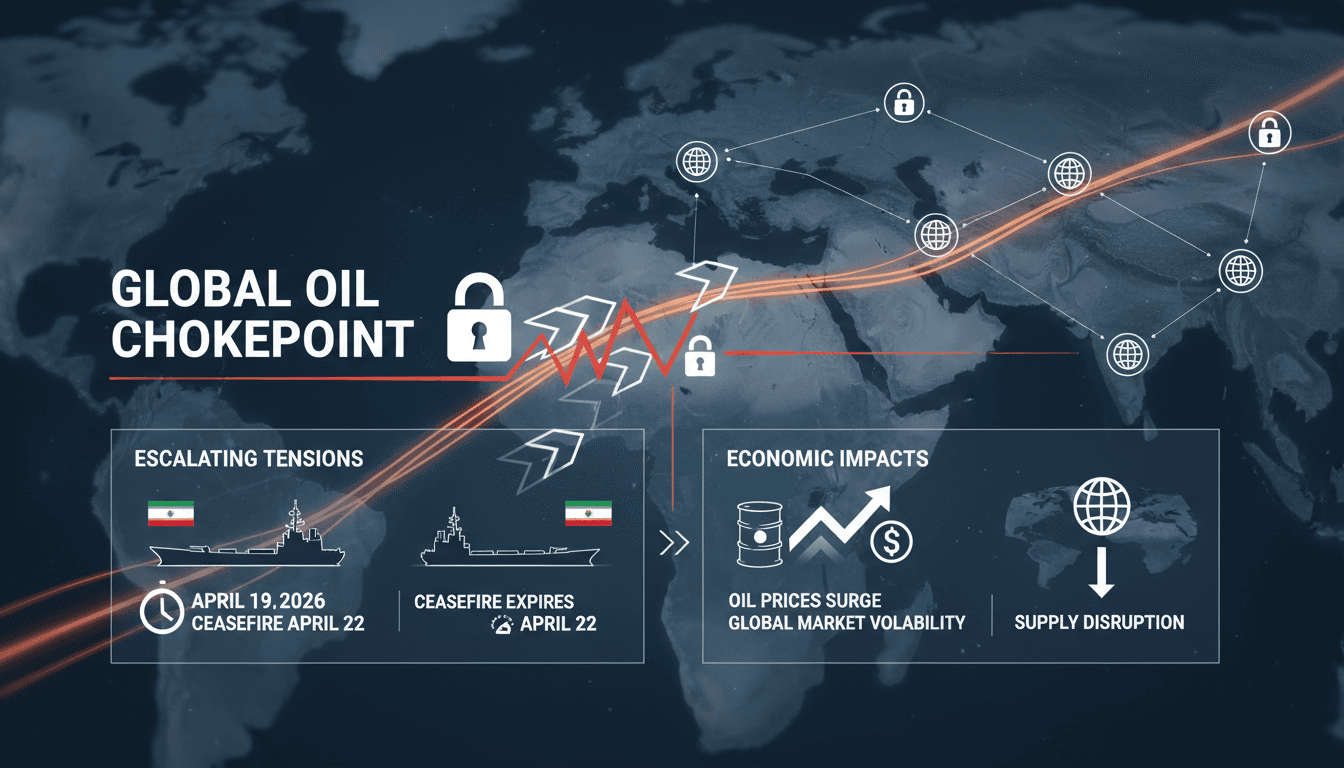
Here's what it means for you.
If you rely on global oil markets or shipping routes, this incident could impact prices and logistics in the near future.
Why it matters
The seizure of the M/V Touska escalates tensions in a critical shipping lane, affecting global oil supply and market stability.
What happened (in 30 seconds)
- On April 19, 2026, U.S. naval forces seized the Iranian-flagged cargo ship M/V Touska in the Gulf of Oman, amid a blockade of Iranian ports.
- The action followed a two-week ceasefire that is set to expire on April 22, raising fears of renewed conflict.
- Market reactions included a 0.2% drop in the S&P 500 and a 5.1% surge in Brent crude oil prices, reflecting heightened geopolitical risks.
The context you actually need
- The U.S.-Israel military campaign against Iran began on February 28, 2026, targeting Iran's nuclear program and escalating into an eight-week conflict.
- A naval blockade of Iranian ports was initiated on April 13 to enforce demands for a 20-year uranium enrichment pause, complicating peace negotiations.
- Initial peace talks in Pakistan collapsed on April 12, setting the stage for the U.S. seizure of the M/V Touska as a show of force against blockade violators.
What's really happening
The seizure of the M/V Touska is a significant escalation in U.S.-Iran tensions, occurring against the backdrop of a complex geopolitical landscape. The U.S. Central Command justified the action as necessary to enforce a blockade affecting 27 vessels, a move aimed at pressuring Iran into compliance with U.S. demands regarding its nuclear program. This blockade, which has been characterized by Iran as "armed piracy," is part of a broader strategy to leverage military action in negotiations, particularly as the ceasefire approaches its expiration.
The U.S. has maintained that the blockade is essential to prevent Iran from advancing its nuclear capabilities, which it views as a direct threat to regional and global security. President Trump has emphasized that the blockade will continue until a satisfactory deal is reached, indicating a hardline stance that leaves little room for diplomatic flexibility. Conversely, Iranian officials have condemned the seizure, framing it as an act of aggression and a violation of the ceasefire, which they argue undermines any potential for renewed negotiations.
The implications of this incident extend beyond immediate military concerns. The seizure has already led to market volatility, with Brent crude oil prices rising by 5.1% to $95.02 per barrel, reflecting fears of disruptions to one-fifth of global oil supplies that transit through the Strait of Hormuz. This spike in oil prices can have cascading effects on global economies, particularly those heavily reliant on oil imports. For instance, Dubai residents may soon face elevated fuel costs and logistics delays as shipping routes are disrupted, while UAE ports are likely to experience congestion from rerouted vessels.
Moreover, the geopolitical ramifications of this incident could further complicate the already fragile peace talks in Pakistan. With Iran vowing retaliation and expressing diplomatic suspicions, the likelihood of a successful negotiation diminishes. The U.S. stock market's reaction, with the S&P 500 and Nasdaq both declining, underscores the investor anxiety surrounding the potential for renewed conflict and its economic fallout.
In summary, the seizure of the M/V Touska is not just a military action; it is a pivotal moment that could redefine U.S.-Iran relations and influence global oil markets, with significant implications for economies worldwide.
Who feels it first (and how)
- Oil consumers: Higher prices at the pump and increased costs for goods reliant on oil.
- Shipping companies: Increased logistics costs and potential delays due to rerouted vessels.
- Investors: Market volatility affecting stock portfolios, particularly in energy sectors.
- Residents of Dubai and UAE: Elevated fuel costs and potential disruptions in tourism and trade.
What to watch next
- Ceasefire expiration on April 22: This date is critical as it could trigger renewed military actions or negotiations.
- Market reactions to oil prices: Continued fluctuations in Brent crude prices will indicate the market's response to geopolitical tensions.
- Diplomatic developments in Pakistan: Any announcements regarding the peace talks will signal the potential for de-escalation or further conflict.
The U.S. has seized the M/V Touska, escalating tensions with Iran.
Oil prices will remain volatile as markets react to geopolitical developments.
The outcome of the peace talks in Pakistan and Iran's potential retaliatory actions.
Frequently Asked Questions
- Why it matters?
- The seizure of the M/V Touska escalates tensions in a critical shipping lane, affecting global oil supply and market stability.
- What happened (in 30 seconds)?
- On April 19, 2026, U.S. naval forces seized the Iranian-flagged cargo ship M/V Touska in the Gulf of Oman, amid a blockade of Iranian ports. The action followed a two-week ceasefire that is set to expire on April 22, raising fears of renewed conflict. Market reactions included a 0.2% drop in the S&P 500 and a 5.1% surge in Brent crude oil prices, reflecting heightened geopolitical risks.
- What's really happening?
- The seizure of the M/V Touska is a significant escalation in U.S.-Iran tensions, occurring against the backdrop of a complex geopolitical landscape. The U.S. Central Command justified the action as necessary to enforce a blockade affecting 27 vessels, a move aimed at pressuring Iran into compliance with U.S. demands regarding its nuclear program. This blockade, which has been characterized by Iran as "armed piracy," is part of a broader strategy to leverage military action in negotiations, parti
- Who feels it first (and how)?
- Oil consumers: Higher prices at the pump and increased costs for goods reliant on oil. Shipping companies: Increased logistics costs and potential delays due to rerouted vessels. Investors: Market volatility affecting stock portfolios, particularly in energy sectors. Residents of Dubai and UAE: Elevated fuel costs and potential disruptions in tourism and trade.
- What to watch next?
- Ceasefire expiration on April 22: This date is critical as it could trigger renewed military actions or negotiations. Market reactions to oil prices: Continued fluctuations in Brent crude prices will indicate the market's response to geopolitical tensions. Diplomatic developments in Pakistan: Any announcements regarding the peace talks will signal the potential for de-escalation or further conflict.
Market-moving headlines impacting equities, bonds, and related risk assets.
"Real-time catalysts and volatility drivers across indices and sectors."
— A47 Editor
Stocks slip amid uncertainty over Iran peace talks following ship seizure by U.S.
U.S. stocks have slipped amid rising uncertainty surrounding peace talks with Iran, particularly following the U.S. Navy's seizure of an Iranian-flagged cargo ship. This incident has escalated tensions, leading to a negative sentiment in the markets ...
Regional and international reporting focused on Middle Eastern politics, diplomacy, and economics.
"Asharq Al-Awsat is a Saudi-owned international newspaper reflecting mainstream Gulf political perspectives."
— A47 Editor
European Shares Slip as Hopes for US-Iran Peace Fade
European shares have slipped as optimism for a peace agreement between the United States and Iran diminishes, reflecting growing investor concerns over escalating tensions in the region. The lack of progress in negotiations has led to a decline in ma...
Global markets, investing, and macroeconomics from a premier financial newsroom.
"Bloomberg is respected for in-depth financial reporting and data-driven analysis."
— A47 Editor
Stocks and Bonds Slide on Another Shift in US-Iran Tensions
U.S. stocks and bonds experienced a decline amid renewed tensions between the U.S. and Iran, reflecting market reactions to escalating geopolitical conflicts. The situation has led to fluctuations in oil prices and investor sentiment, impacting overa...