
Iran Accuses US of Ceasefire Violations Amid Fragile Peace Talks
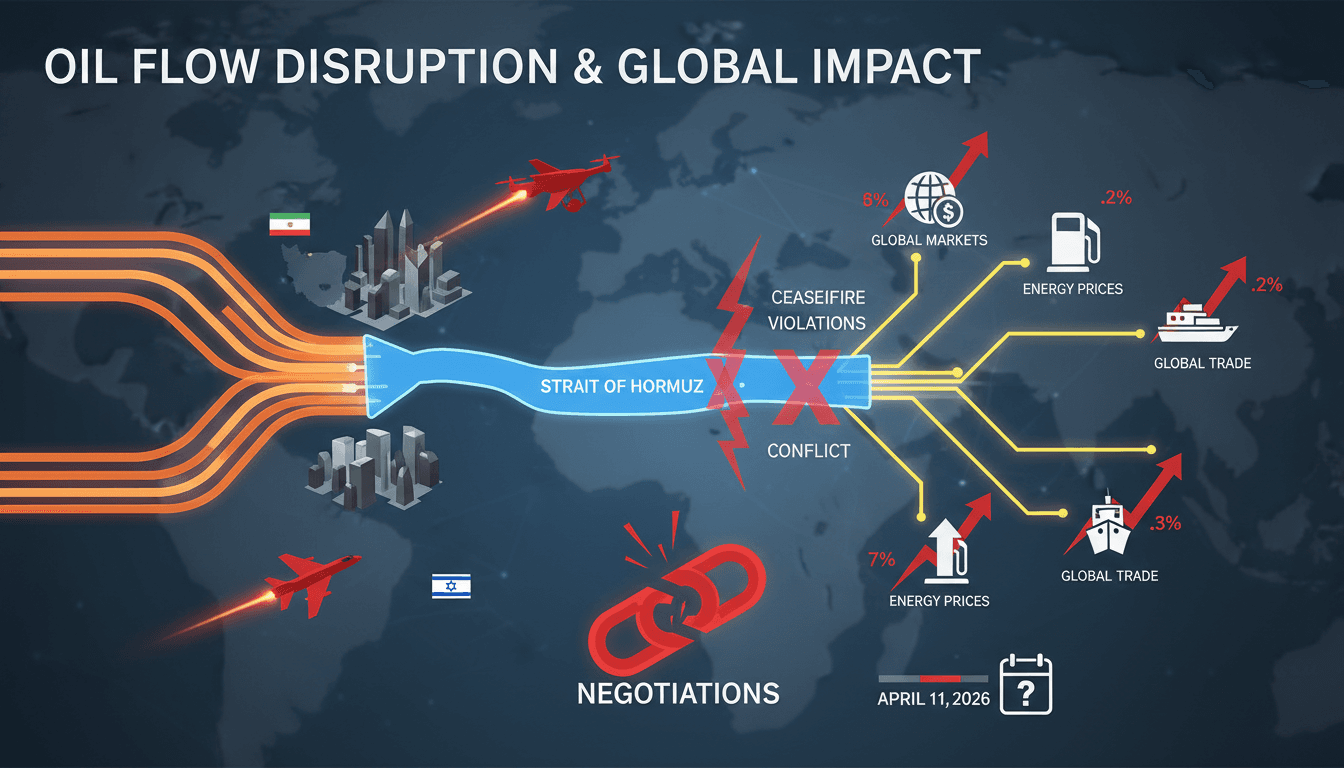
Here's what it means for you.
As global tensions rise, your business operations may face disruptions, particularly in energy markets.
Why it matters
The ongoing U.S.-Iran tensions directly impact global oil prices and trade routes, affecting economies worldwide.
What happened (in 30 seconds)
- Iran accused the U.S. of violating a proposed ceasefire framework, citing military actions and drone incursions.
- U.S. Vice President JD Vance responded, emphasizing a broader consensus on ceasefire terms while rejecting Iranian uranium enrichment rights.
- A fragile ceasefire is currently in place, with negotiations scheduled to resume in Pakistan on April 11, 2026.
The context you actually need
- Tensions escalated after the U.S. withdrew from the JCPOA in 2018, leading to increased Iranian nuclear activities and subsequent military actions.
- The recent conflict began with U.S.-Israeli strikes that killed Iran's Supreme Leader Khamenei, igniting a 40-day war marked by significant casualties on both sides.
- Negotiations mediated by Pakistan have yielded a 15-point U.S. plan and a 10-point Iranian ceasefire proposal, reflecting the complexities of regional diplomacy.
What's really happening
The current diplomatic dispute between Iran and the U.S. is rooted in a series of escalating tensions that have unfolded since the U.S. withdrawal from the Joint Comprehensive Plan of Action (JCPOA) in 2018. This withdrawal not only dismantled the framework for limiting Iran's nuclear program but also led to a series of retaliatory actions, including Israeli airstrikes on Iranian positions and U.S. attacks on nuclear sites. The situation deteriorated further when the U.S. and Israel launched strikes that resulted in the death of Iran's Supreme Leader Khamenei on February 28, 2026, which triggered a full-scale conflict lasting over 40 days.
In this context, Iran's recent accusations against the U.S. highlight the fragility of the ceasefire agreement brokered by Pakistan. Iranian Parliament Speaker Mohammad Baqer Qalibaf's claims of U.S. violations—specifically regarding Israeli military actions in Lebanon and a drone incursion into Iranian airspace—underscore Tehran's sensitivity to perceived threats. The Iranian government views these actions as undermining the legitimacy of any ceasefire negotiations, thereby complicating the already tenuous diplomatic landscape.
On the U.S. side, Vice President JD Vance's response reflects a broader strategy of maintaining pressure on Iran while seeking to stabilize the situation. By emphasizing a consensus on key ceasefire points, Vance aims to project a united front and reassure allies in the region. However, his dismissal of Qalibaf's English proficiency also hints at the U.S. administration's skepticism regarding Iran's commitment to the negotiations.
The implications of this dispute extend beyond mere rhetoric. The ongoing conflict has already disrupted shipping routes in the Strait of Hormuz, a critical chokepoint for global oil supplies. As a result, oil prices surged above $100 per barrel, impacting economies reliant on stable energy prices. The recent announcement of a ceasefire led to a temporary decline in oil prices, but the underlying risks remain, particularly if negotiations falter.
In summary, the U.S.-Iran tensions are not just a regional issue; they have significant global ramifications, particularly for energy markets and international trade. The interplay of military actions, diplomatic negotiations, and economic pressures will continue to shape the landscape in the coming weeks.
Who feels it first (and how)
- Energy Sector: Companies reliant on stable oil prices may face volatility, impacting profitability.
- Shipping and Trade: Disruptions in the Strait of Hormuz affect shipping costs and timelines, impacting global trade.
- Investors: Market fluctuations in response to geopolitical tensions can lead to significant shifts in investment strategies.
What to watch next
- Negotiation Outcomes: The April 11 talks in Islamabad will be crucial in determining the future of the ceasefire and regional stability.
- Oil Price Trends: Watch for fluctuations in oil prices, particularly in response to any new military actions or diplomatic breakthroughs.
- Regional Military Movements: Increased military activity in the region could signal a breakdown in negotiations, impacting global markets.
The ceasefire is currently fragile, with ongoing accusations from both sides.
Continued volatility in oil prices as the situation develops.
The long-term effectiveness of the ceasefire and its impact on U.S.-Iran relations.
Frequently Asked Questions
- Why it matters?
- The ongoing U.S.-Iran tensions directly impact global oil prices and trade routes, affecting economies worldwide.
- What happened (in 30 seconds)?
- Iran accused the U.S. of violating a proposed ceasefire framework, citing military actions and drone incursions. U.S. Vice President JD Vance responded, emphasizing a broader consensus on ceasefire terms while rejecting Iranian uranium enrichment rights. A fragile ceasefire is currently in place, with negotiations scheduled to resume in Pakistan on April 11, 2026.
- What's really happening?
- The current diplomatic dispute between Iran and the U.S. is rooted in a series of escalating tensions that have unfolded since the U.S. withdrawal from the Joint Comprehensive Plan of Action (JCPOA) in 2018. This withdrawal not only dismantled the framework for limiting Iran's nuclear program but also led to a series of retaliatory actions, including Israeli airstrikes on Iranian positions and U.S. attacks on nuclear sites. The situation deteriorated further when the U.S. and Israel launched str
- Who feels it first (and how)?
- Energy Sector: Companies reliant on stable oil prices may face volatility, impacting profitability. Shipping and Trade: Disruptions in the Strait of Hormuz affect shipping costs and timelines, impacting global trade. Investors: Market fluctuations in response to geopolitical tensions can lead to significant shifts in investment strategies.
- What to watch next?
- Negotiation Outcomes: The April 11 talks in Islamabad will be crucial in determining the future of the ceasefire and regional stability. Oil Price Trends: Watch for fluctuations in oil prices, particularly in response to any new military actions or diplomatic breakthroughs. Regional Military Movements: Increased military activity in the region could signal a breakdown in negotiations, impacting global markets.
Arabic-language coverage of political affairs and current events.
"Okaz political coverage typically follows mainstream Saudi framing on national and regional affairs."
— A47 Editor
إيران تتهم أمريكا بانتهاك 3 من بنود الاتفاق.. وفانس يرد: هناك قدر كبير من التوافق
Iranian Parliament Speaker Mohammad Baqer Qalibaf accused the United States of violating three provisions of a proposed agreement, prompting U.S. Deputy President J.D. Vance to respond that this indicates a significant level of consensus. Vance noted...
Pan-Arab news coverage spanning politics, business, sports, and regional affairs.
"Asharq Al-Awsat reflects a broad Arab editorial perspective with strong attention to regional geopolitics."
— A47 Editor
قاليباف يتهم واشنطن بتقويض قاعدة التفاوض
Iranian Parliament Speaker Mohammad Baqer Qalibaf accused Washington on Wednesday of undermining the negotiation framework, stating that three key points from the proposed ten-point ceasefire plan were violated before negotiations were set to begin o...