
Saudi Cabinet Approves Key Legislative Reforms in Execution and Anti-Money Laundering Systems
Here's what it means for you.
If you operate in or with Saudi Arabia, these reforms could reshape compliance and operational landscapes.
Why it matters
These legislative changes signal a commitment to modernizing Saudi Arabia's judicial and financial systems, impacting regional economic dynamics.
What happened (in 30 seconds)
- Saudi Cabinet approved the Execution System, enhancing judicial enforcement of judgments.
- Amendments to the Anti-Money Laundering System align with international standards, bolstering financial crime prevention.
- Jeddah Historical Project receives a two-year extension to complete revitalization efforts in the UNESCO-listed district.
The context you actually need
- Vision 2030 Framework: These approvals are part of Saudi Arabia's broader Vision 2030 initiative aimed at diversifying the economy and enhancing governance.
- Judicial Modernization: The Execution System formalizes the enforcement of court judgments, streamlining processes and improving efficiency in the legal system.
- Cultural Heritage Focus: The Jeddah Historical Project aims to restore and promote cultural heritage, targeting 15 million annual visitors by 2030.
What's really happening
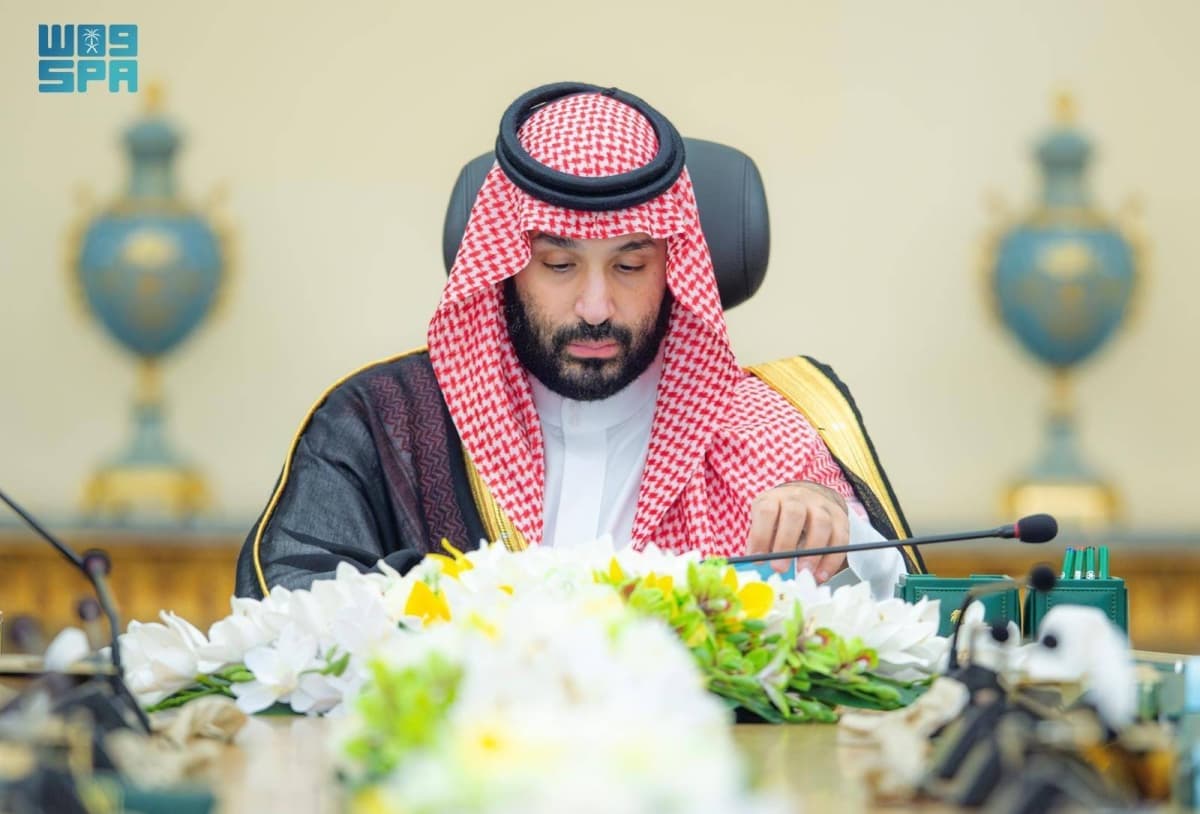
On April 15, 2026, the Saudi Cabinet, led by Crown Prince Mohammed bin Salman, convened in Jeddah to approve significant legislative measures aimed at enhancing judicial efficiency, financial integrity, and cultural preservation. The Execution System is a pivotal reform that formalizes the enforcement of judicial rulings, addressing long-standing concerns about the speed and reliability of legal processes in the Kingdom. This system builds on previous judicial reforms that sought to modernize and streamline legal procedures, thereby increasing public trust in the judiciary.
The amendments to the Anti-Money Laundering (AML) regulations are particularly noteworthy as they align Saudi Arabia's practices with international standards, such as those set by the Financial Action Task Force (FATF). This alignment is crucial for enhancing the Kingdom's reputation in global finance, especially as it seeks to attract foreign investment and integrate more deeply into the global economy. By strengthening measures against financial crimes, Saudi Arabia aims to foster a more transparent financial environment, which is essential for regional economic integration, particularly with neighboring Gulf Cooperation Council (GCC) countries.
The extension of the Jeddah Historical Project underscores the Kingdom's commitment to cultural heritage and tourism. The project, which has already restored 650 historical buildings, aims to revitalize the UNESCO-listed Al-Balad district, enhancing its appeal as a tourist destination. The goal of attracting 15 million visitors annually by 2030 necessitates this extension, as the project is integral to Saudi Arabia's broader tourism strategy under Vision 2030.
These legislative changes reflect a broader trend of reform in Saudi Arabia, where the government is actively working to modernize its institutions and improve its global standing. The Cabinet's decisions were made following reviews by the Shura Council and specialized committees, indicating a structured approach to governance that seeks to balance modernization with cultural preservation.
Who feels it first (and how)
- Legal Professionals: Lawyers and judges will experience changes in enforcement procedures, impacting case management and legal practices.
- Financial Institutions: Banks and financial entities will need to adapt to stricter AML regulations, affecting compliance protocols and risk assessments.
- Tourism Sector: Businesses in the tourism and hospitality industries will benefit from increased visitor numbers due to the Jeddah Historical Project's revitalization efforts.
What to watch next
- Implementation Timeline: Monitor the rollout of the Execution System and AML amendments, as delays could affect compliance and operational readiness.
- Visitor Statistics: Keep an eye on tourism metrics related to the Jeddah Historical Project, as increased visitation could signal economic growth in the region.
- International Reactions: Watch for responses from global financial institutions regarding Saudi Arabia's AML reforms, which could influence foreign investment flows.
The Execution System and AML amendments have been approved by the Saudi Cabinet.
These reforms will enhance Saudi Arabia's financial transparency and judicial efficiency, impacting regional economic dynamics.
The long-term effects on foreign investment and tourism remain to be fully assessed.
Frequently Asked Questions
- Why it matters?
- These legislative changes signal a commitment to modernizing Saudi Arabia's judicial and financial systems, impacting regional economic dynamics.
- What happened (in 30 seconds)?
- Saudi Cabinet approved the Execution System, enhancing judicial enforcement of judgments. Amendments to the Anti-Money Laundering System align with international standards, bolstering financial crime prevention. Jeddah Historical Project receives a two-year extension to complete revitalization efforts in the UNESCO-listed district.
- What's really happening?
- On April 15, 2026, the Saudi Cabinet, led by Crown Prince Mohammed bin Salman, convened in Jeddah to approve significant legislative measures aimed at enhancing judicial efficiency, financial integrity, and cultural preservation. The Execution System is a pivotal reform that formalizes the enforcement of judicial rulings, addressing long-standing concerns about the speed and reliability of legal processes in the Kingdom. This system builds on previous judicial reforms that sought to modernize an
- Who feels it first (and how)?
- Legal Professionals: Lawyers and judges will experience changes in enforcement procedures, impacting case management and legal practices. Financial Institutions: Banks and financial entities will need to adapt to stricter AML regulations, affecting compliance protocols and risk assessments. Tourism Sector: Businesses in the tourism and hospitality industries will benefit from increased visitor numbers due to the Jeddah Historical Project's revitalization efforts.
- What to watch next?
- Implementation Timeline: Monitor the rollout of the Execution System and AML amendments, as delays could affect compliance and operational readiness. Visitor Statistics: Keep an eye on tourism metrics related to the Jeddah Historical Project, as increased visitation could signal economic growth in the region. International Reactions: Watch for responses from global financial institutions regarding Saudi Arabia's AML reforms, which could influence foreign investment flows.
Saudi newspaper coverage spanning local, national, and public-interest stories.
"Makkah Newspaper generally reflects mainstream Saudi editorial priorities with an emphasis on domestic issues."
— A47 Editor
الموافقة على نظام التنفيذ وتعديل نظام مكافحة غسل الأموال وتمديد مدة برنامج مشروع جدة التاريخية
The Council of Ministers, chaired by Crown Prince Mohammed bin Salman bin Abdulaziz Al Saud in Jeddah, approved the enforcement system, amended the Anti-Money Laundering Law, and extended the duration of the Jeddah Historical Project. This decision r...
Arabic-language local and national news coverage from Saudi Arabia.
"Al-Jazirah is a major Saudi daily with strong emphasis on domestic reporting and official developments."
— A47 Editor
مجلس الوزراء يوافق على نظام التنفيذ وعلى تعديل «مكافحة غسل الأموال»
The Council of Ministers, chaired by Crown Prince Mohammed bin Salman, convened in Jeddah and approved a new execution system along with amendments to the Anti-Money Laundering Law. The session highlighted the valor of the armed forces in defending t...
Arabic-language coverage of Saudi, regional, and international affairs.
"Al Bilad offers mainstream Saudi newspaper coverage across domestic and broader Arab topics."
— A47 Editor
مجلس الوزراء: رفض قاطع لانتهاك سيادة الدول وتهديد أمن المنطقة واستقرارها
The Council of Ministers, chaired by His Royal Highness Prince Mohammed bin Salman bin Abdulaziz Al Saud, convened in Jeddah and approved the implementation system and amendments to the Anti-Money Laundering Law. Additionally, the council extended th...
Arabic-language reporting focused on domestic developments in Saudi Arabia.
"Okaz is a mainstream Saudi newspaper that often reflects domestic priorities and official-facing coverage."
— A47 Editor
برئاسة ولي العهد.. مجلس الوزراء يوافق على «نظام التنفيذ» وتعديل «مكافحة غسل الأموال»
Crown Prince Mohammed bin Salman chaired a Cabinet session in Jeddah, where the council praised the bravery of the armed forces in defending the nation against Iranian aggressions. The Cabinet also approved the 'Execution Law' and amendments to the '...