
Saudi Arabian Energy Infrastructure Attacks Cause Significant Oil Production Cuts
Here's what it means for you.
Rising oil prices and supply disruptions from Saudi Arabia's recent attacks will impact global markets and your daily expenses.
Why it matters
The attacks on Saudi energy infrastructure threaten global oil supply stability, potentially leading to increased prices and economic pressures worldwide.
What happened (in 30 seconds)
- Attacks occurred on April 9, 2026: Missile and drone strikes targeted key Saudi oilfields and the East-West pipeline, resulting in significant production and throughput reductions.
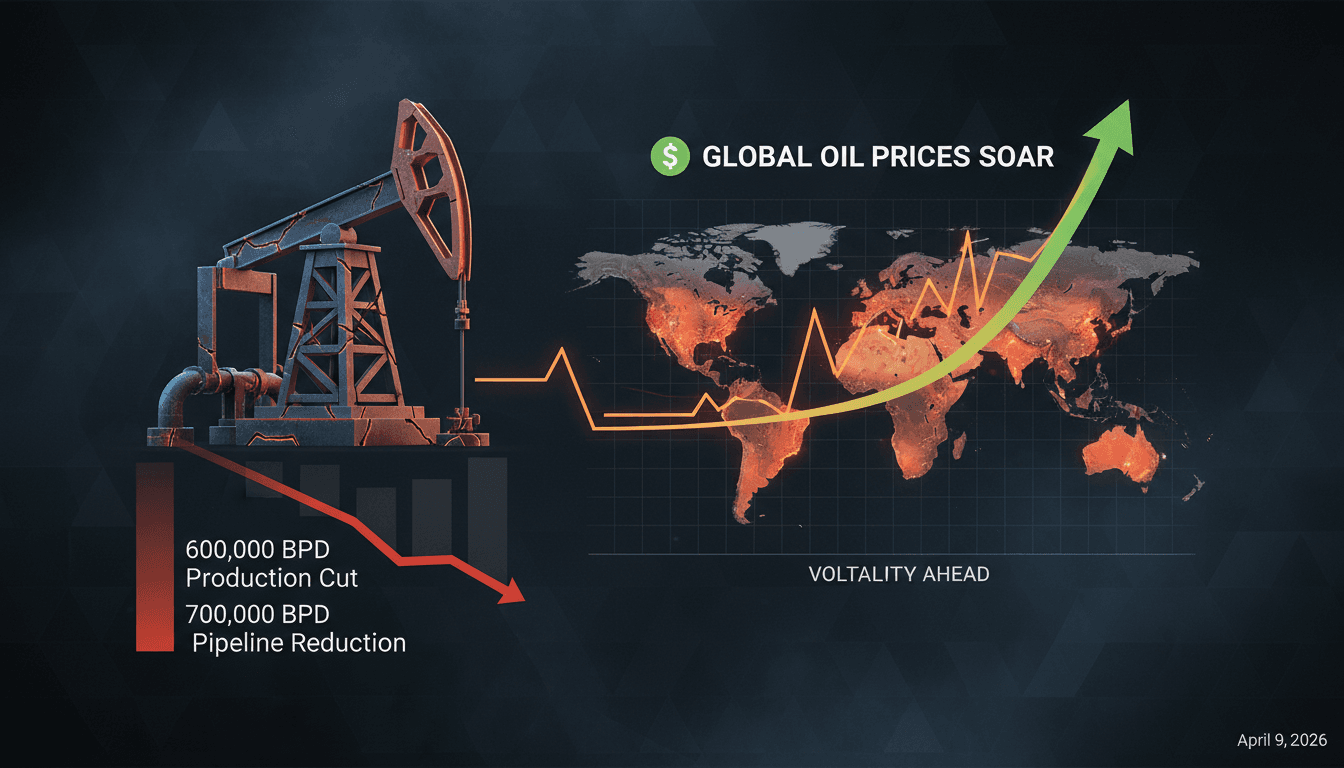
- Production capacity cut by 600,000 barrels per day: The Manifa and Khurais oilfields suffered major losses, impacting overall output.
- Pipeline throughput reduced by 700,000 barrels per day: Damage to the East-West pipeline disrupts vital oil exports, exacerbating global supply concerns.
The context you actually need
- Saudi Arabia is the world's largest oil exporter: The country plays a critical role in global oil supply, making disruptions particularly impactful.
- The East-West pipeline is crucial: It serves as a key bypass for oil exports, especially when the Strait of Hormuz is threatened, which is often the case amid regional tensions.
- Ongoing regional conflicts: The attacks are part of a broader U.S.-Israeli conflict with Iran, which has led to increased military tensions and retaliatory strikes across the Gulf.
What's really happening
The April 9 attacks on Saudi Arabian energy infrastructure represent a significant escalation in regional tensions, particularly amid the ongoing U.S.-Israeli conflict with Iran. The strikes targeted critical assets, including the Manifa and Khurais oilfields, which together account for a combined loss of 600,000 barrels per day in production capacity. Additionally, damage to the East-West pipeline curtailed throughput by another 700,000 barrels per day. This pipeline is vital for transporting oil from the eastern regions of Saudi Arabia to the Red Sea, bypassing the often-congested Strait of Hormuz.
The immediate aftermath of these attacks has led to a depletion of inventories and raised alarms about global oil supply risks. Saudi energy ministry officials have warned of potential further supply curtailments, which could slow recovery efforts and compromise energy security. Analysts have pointed out the strategic vulnerabilities of the East-West pipeline, highlighting how its disruption can lead to increased volatility in global oil markets.
As a result of these events, global crude prices have remained elevated, with spikes above $100 per barrel noted in the days following the attacks. This price increase is likely to filter down to consumers, affecting fuel prices and overall inflation. For residents in Dubai, for instance, a record 33% surge in fuel prices effective April 1, 2026, has already been felt, reflecting the broader impact of these geopolitical tensions on daily life.
The structural implications of these attacks extend beyond immediate supply disruptions. They underscore the fragility of energy infrastructure in the region and the potential for future conflicts to disrupt oil flows. As global economies remain heavily reliant on stable oil supplies, any further escalation in tensions could lead to more pronounced economic consequences, including increased costs for businesses and consumers alike.
Who feels it first (and how)
- Consumers: Higher fuel prices will increase commuting costs and household expenses.
- Businesses: Industries reliant on oil will face rising operational costs, impacting profit margins.
- Investors: Volatility in oil prices may affect stock markets and investment strategies globally.
- Governments: Increased inflation pressures could lead to policy shifts and economic adjustments.
What to watch next
- Global oil prices: Monitor fluctuations in crude prices as they will directly affect consumer costs and economic stability.
- Saudi production recovery: Watch for announcements regarding the restoration of production capacity and pipeline throughput, which will indicate the pace of recovery.
- Regional military developments: Keep an eye on the U.S.-Israeli-Iran conflict, as further escalations could lead to additional attacks on energy infrastructure.
Saudi Arabia's oil production capacity has been significantly reduced, impacting global supply.
Oil prices will remain volatile as markets react to ongoing geopolitical tensions.
The long-term impact on global energy security and economic stability remains uncertain.
Frequently Asked Questions
- Why it matters?
- The attacks on Saudi energy infrastructure threaten global oil supply stability, potentially leading to increased prices and economic pressures worldwide.
- What happened (in 30 seconds)?
- Attacks occurred on April 9, 2026: Missile and drone strikes targeted key Saudi oilfields and the East-West pipeline, resulting in significant production and throughput reductions. Production capacity cut by 600,000 barrels per day: The Manifa and Khurais oilfields suffered major losses, impacting overall output. Pipeline throughput reduced by 700,000 barrels per day: Damage to the East-West pipeline disrupts vital oil exports, exacerbating global supply concerns.
- What's really happening?
- The April 9 attacks on Saudi Arabian energy infrastructure represent a significant escalation in regional tensions, particularly amid the ongoing U.S.-Israeli conflict with Iran. The strikes targeted critical assets, including the Manifa and Khurais oilfields, which together account for a combined loss of 600,000 barrels per day in production capacity. Additionally, damage to the East-West pipeline curtailed throughput by another 700,000 barrels per day. This pipeline is vital for transporting o
- Who feels it first (and how)?
- Consumers: Higher fuel prices will increase commuting costs and household expenses. Businesses: Industries reliant on oil will face rising operational costs, impacting profit margins. Investors: Volatility in oil prices may affect stock markets and investment strategies globally. Governments: Increased inflation pressures could lead to policy shifts and economic adjustments.
- What to watch next?
- Global oil prices: Monitor fluctuations in crude prices as they will directly affect consumer costs and economic stability. Saudi production recovery: Watch for announcements regarding the restoration of production capacity and pipeline throughput, which will indicate the pace of recovery. Regional military developments: Keep an eye on the U.S.-Israeli-Iran conflict, as further escalations could lead to additional attacks on energy infrastructure.
Regional coverage and analysis focused on politics, diplomacy, and business across the Middle East.
"Al-Monitor is known for analytical reporting on Middle East politics and policy developments."
— A47 Editor
Attacks cut Saudi oil output and East-West pipeline flow, state news agency says
Recent attacks on Saudi energy facilities have resulted in a significant reduction of the kingdom's oil production capacity by approximately 600,000 barrels per day and a decrease in the flow through the East-West pipeline by about 700,000 barrels pe...
Oil, metals, and agriculture: supply/demand headlines, OPEC chatter, inventories, and price action.
"Solid tape for energy and metals traders tracking macro and micro catalysts."
— A47 Editor
Attacks cut Saudi oil output and East-West pipeline flow, state news agency says
Recent attacks have significantly reduced Saudi Arabia's oil output and disrupted the flow through its East-West pipeline, as reported by the state news agency. The kingdom has lost approximately 600,000 barrels per day due to these incidents, highli...
Global markets, investing, and macroeconomics from a premier financial newsroom.
"Bloomberg is respected for in-depth financial reporting and data-driven analysis."
— A47 Editor
Saudi Oil Output Capacity, Pipeline Flows Cut in Supply Risk
Saudi Arabia has experienced a significant reduction in oil output capacity, losing over 600,000 barrels per day due to Iranian attacks on its energy infrastructure, including a key pipeline that bypasses the Strait of Hormuz. This escalation in host...