
Tehran Residents Shelter Amid U.S. Ultimatum Over Strait of Hormuz
Here's what it means for you.
The escalating conflict in the Strait of Hormuz could significantly impact global oil prices and energy security.
Why it matters
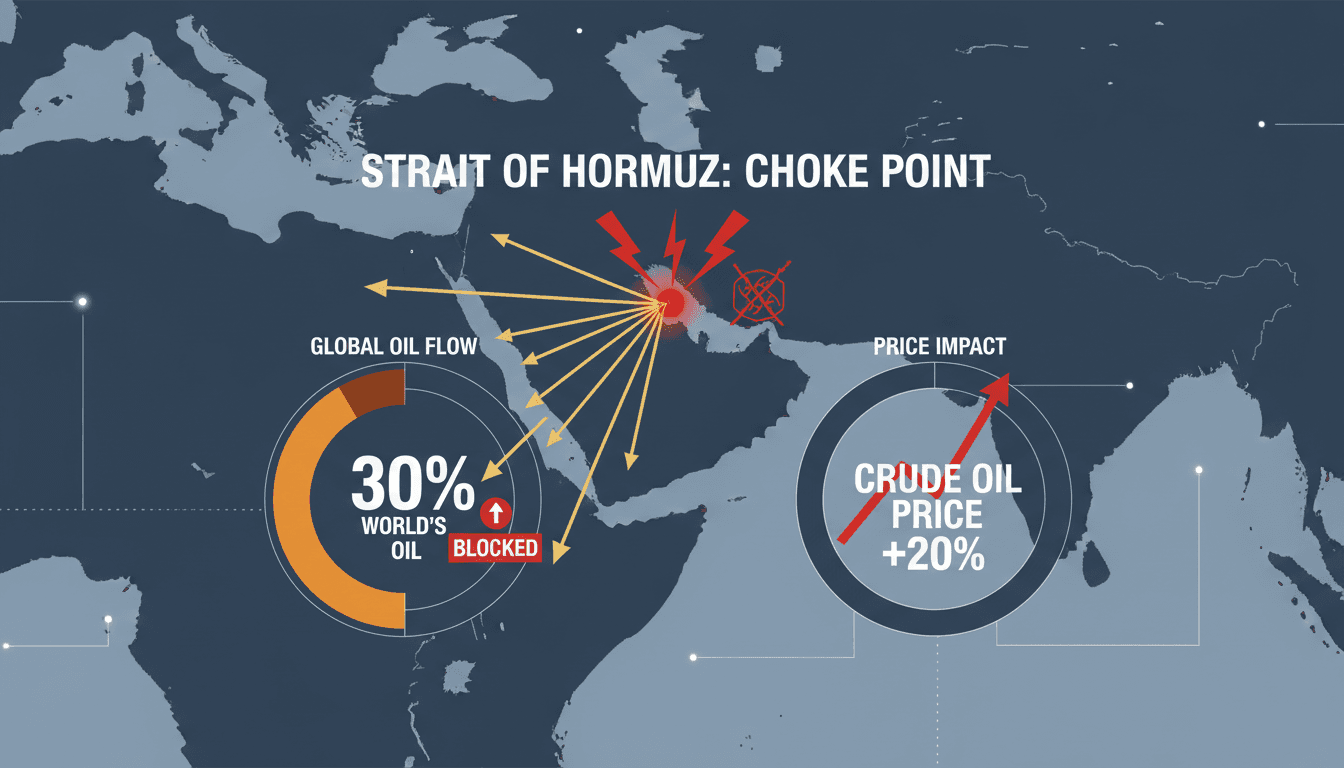
The Strait of Hormuz is a critical chokepoint for global oil transit, with approximately 20% of the world's oil passing through it.
What happened (in 30 seconds)
- Eerie calm enveloped Tehran on April 7, 2026, as residents feared U.S. airstrikes following President Trump's ultimatum for Iran to reopen the Strait of Hormuz.
- Conflict escalation began on February 28, 2026, with U.S. and Israeli military strikes against Iran, leading to the closure of the strait.
- Negotiation pause was announced after the ultimatum expired, with Trump framing it as a diplomatic victory while Iran prepared for potential retaliation.
The context you actually need
- U.S.-Iran tensions have been escalating since February 2026, with military actions leading to significant geopolitical instability.
- Oil prices have already seen volatility, reaching $112 per barrel, affecting economies heavily reliant on energy exports.
- Iran's strategic position in the region means that any military action could have widespread implications for neighboring countries and global markets.
What's really happening
The situation in Tehran on April 7, 2026, reflects a culmination of heightened tensions stemming from U.S. and Israeli military actions against Iran that began on February 28. The initial strikes were aimed at crippling Iran's military capabilities, but they also had the unintended consequence of shutting down the Strait of Hormuz, a vital artery for global oil transport. This closure has significant ramifications, as the strait is responsible for transporting about 20% of the world's oil supply.
President Trump's ultimatum, which threatened to destroy Iran's infrastructure unless the strait was reopened, has exacerbated fears among Tehran's residents. The eerie stillness in the city symbolizes the public's anxiety over potential U.S. airstrikes. In response, Iranian officials have urged civilians to form human chains around critical infrastructure to protect against potential attacks, highlighting the dire situation on the ground.
The geopolitical stakes are incredibly high. The U.S. has positioned itself as a defender of global oil supply routes, while Iran views the strait as a matter of national sovereignty. The ongoing conflict has already resulted in civilian casualties, with reports indicating that approximately 1,900 civilians have died since the conflict began. This humanitarian crisis is likely to draw international attention and could lead to calls for intervention or mediation.
Moreover, the economic implications are profound. The volatility in oil prices, which surged to $112 per barrel, reflects market reactions to the instability in the region. Countries like Dubai and the wider UAE are on heightened alert due to the potential for Iranian missile strikes, which could disrupt their economies. The situation is further complicated by the involvement of other Gulf states, which are concerned about the risks to their infrastructure and energy security.
As negotiations are set to resume in Islamabad, the outcome will determine not only the future of U.S.-Iran relations but also the stability of global oil markets. The two-week suspension of major attacks announced by Trump may provide a temporary reprieve, but the underlying tensions remain unresolved, and the potential for escalation is ever-present.
Who feels it first (and how)
- Energy sector professionals: Oil traders and companies will experience immediate impacts from price fluctuations and supply chain disruptions.
- Residents of Tehran: Civilians face direct threats to their safety and security, impacting daily life and economic stability.
- Gulf state governments: Countries like the UAE, Qatar, and Bahrain will feel the pressure to enhance their defense capabilities and manage economic fallout.
What to watch next
- Negotiation outcomes: The results of the talks in Islamabad on April 10 will be crucial in determining whether tensions escalate or de-escalate.
- Oil price trends: Watch for fluctuations in Brent crude prices as market reactions to geopolitical developments unfold.
- Military movements: Monitor U.S. and Iranian military activities in the region, as any escalation could lead to further conflict.
The Strait of Hormuz is crucial for global oil transit, and its closure has immediate economic implications.
Continued volatility in oil prices as markets react to geopolitical developments.
The long-term effects of the negotiations on U.S.-Iran relations and regional stability.
Frequently Asked Questions
- Why it matters?
- The Strait of Hormuz is a critical chokepoint for global oil transit, with approximately 20% of the world's oil passing through it.
- What happened (in 30 seconds)?
- Eerie calm enveloped Tehran on April 7, 2026, as residents feared U.S. airstrikes following President Trump's ultimatum for Iran to reopen the Strait of Hormuz. Conflict escalation began on February 28, 2026, with U.S. and Israeli military strikes against Iran, leading to the closure of the strait. Negotiation pause was announced after the ultimatum expired, with Trump framing it as a diplomatic victory while Iran prepared for potential retaliation.
- What's really happening?
- The situation in Tehran on April 7, 2026, reflects a culmination of heightened tensions stemming from U.S. and Israeli military actions against Iran that began on February 28. The initial strikes were aimed at crippling Iran's military capabilities, but they also had the unintended consequence of shutting down the Strait of Hormuz, a vital artery for global oil transport. This closure has significant ramifications, as the strait is responsible for transporting about 20% of the world's oil supply
- Who feels it first (and how)?
- Energy sector professionals: Oil traders and companies will experience immediate impacts from price fluctuations and supply chain disruptions. Residents of Tehran: Civilians face direct threats to their safety and security, impacting daily life and economic stability. Gulf state governments: Countries like the UAE, Qatar, and Bahrain will feel the pressure to enhance their defense capabilities and manage economic fallout.
- What to watch next?
- Negotiation outcomes: The results of the talks in Islamabad on April 10 will be crucial in determining whether tensions escalate or de-escalate. Oil price trends: Watch for fluctuations in Brent crude prices as market reactions to geopolitical developments unfold. Military movements: Monitor U.S. and Iranian military activities in the region, as any escalation could lead to further conflict.
24/7 international news from a French perspective in multiple languages.
"France 24 is viewed as a globally focused outlet with balanced coverage and a European perspective."
— A47 Editor
An 'eerie still' in Tehran amid Trump's apocalyptic threats
Tensions in Tehran are palpable as residents await the expiration of a deadline set by U.S. President Donald Trump, who has issued stark warnings that failure to reach a deal with Iran could lead to catastrophic consequences. Trump's threats include ...
European coverage of Middle East politics and security issues.
"France 24 offers international reporting with a European editorial perspective."
— A47 Editor
An 'eerie still' in Tehran amid Trump's apocalyptic threats
Tensions in Tehran have escalated as U.S. President Donald Trump issued a stark ultimatum to Iran, warning that a 'whole civilization will die tonight' if a deal is not reached regarding the reopening of the strategically vital Strait of Hormuz. This...
UK and international business news, economics, and corporate coverage.
"The Guardian’s business section covers finance and markets with a progressive editorial tone."
— A47 Editor
Trump says Iran 'can be taken out in one night' – video
President Donald Trump has escalated threats against Iran, declaring that the country could be 'taken out in one night' if Tehran does not comply with U.S. demands regarding the reopening of the Strait of Hormuz by a specified deadline. This ultimatu...
News from the United States including domestic politics, society, and culture.
"The Guardian is known for its progressive editorial stance and in-depth analysis, often advocating for social justice, environmental issues, and liberal values."
— A47 Editor
Trump says Iran 'can be taken out in one night' – video
During a recent press conference, President Donald Trump stated that Iran 'can be taken out in one night,' indicating a potential military action against the country could occur imminently. He also set a deadline for Tehran to reach a deal by 8 PM ET...
English-language news from Qatar covering domestic and regional affairs.
"Gulf Times reflects Qatari perspectives on regional developments."
— A47 Editor
Trump threatens ‘to take out Iran in one night’
US President Donald Trump has escalated threats against Iran, stating he would target critical infrastructure, including bridges and power plants, if Tehran does not comply with demands regarding the reopening of the Strait of Hormuz. This warning fo...
24/7 international news from a French perspective in multiple languages.
"France 24 is viewed as a globally focused outlet with balanced coverage and a European perspective."
— A47 Editor
Trump says Iran could be 'taken out' on Tuesday
U.S. President Donald Trump warned that Iran could be 'taken out' in a single night, suggesting that military action could occur as soon as Tuesday if Tehran does not agree to a deal by then. This statement reflects escalating tensions between the U....
European coverage of Middle East politics and security issues.
"France 24 offers international reporting with a European editorial perspective."
— A47 Editor
Trump says Iran could be 'taken out' on Tuesday
U.S. President Donald Trump warned that Iran could be 'taken out' in a single night, suggesting that military action could occur as soon as Tuesday if Tehran does not agree to a deal by then. This statement reflects escalating tensions between the U....
Arabic-language coverage of political affairs and current events.
"Okaz political coverage typically follows mainstream Saudi framing on national and regional affairs."
— A47 Editor
ترمب: سنقضي على إيران بليلة واحدة
U.S. President Donald Trump declared that Iran could be eliminated in a single night, expressing hope for a swift end to the conflict while emphasizing the extensive military operations undertaken to rescue American personnel in Iran. He highlighted ...
News from the United States including domestic politics, society, and culture.
"Global News is a mainstream Canadian media outlet generally considered to have a centrist editorial stance, covering news with a focus on factual reporting and national interest."
— A47 Editor
Trump: ‘Iran can be taken out in one night,’ could happen Tuesday
President Trump stated at a White House news conference that Iran could be eliminated in a single night, suggesting that this could occur as soon as Tuesday. This statement reflects the heightened tensions between the U.S. and Iran amid ongoing milit...
International coverage of politics, security, and social issues.
"Global News is a mainstream Canadian outlet with a centrist editorial stance, focusing on factual reporting."
— A47 Editor
Trump: ‘Iran can be taken out in one night,’ could happen Tuesday
President Trump stated at a White House news conference that Iran could be eliminated in a single night, suggesting that this could occur as soon as Tuesday. This statement reflects the heightened tensions between the U.S. and Iran amid ongoing milit...