
Qatar opposes permanent transit fees in the Strait of Hormuz and seeks temporary toll negotiations
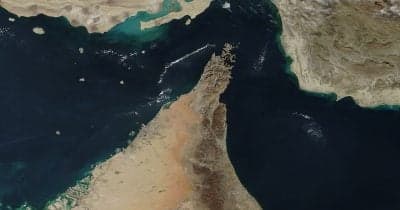
Here's what it means for you.
Qatar's stance against permanent transit fees in the Strait of Hormuz signals a pivotal moment for global trade and energy markets. By advocating for negotiable temporary tolls, Qatar aims to ensure the continued accessibility of this vital maritime route. The outcome of these negotiations could reshape shipping costs and influence energy prices worldwide. As the Strait of Hormuz accounts for approximately 20% of the world's oil trade, any changes in transit regulations could have far-reaching implications for energy security and economic stability.
What happened
Qatar has officially announced its opposition to the implementation of permanent legal fees for transit through the Strait of Hormuz. Instead, the country is advocating for temporary tolls that are open to negotiation. This decision is part of a broader effort to restore normal passage through this critical waterway, which plays a significant role in global trade and energy markets.
A top official from Qatar indicated that the negotiations surrounding these temporary fees are essential for maintaining the flow of maritime traffic. The discussions are expected to address the implications of transit costs on international shipping and energy supply chains.
The Context
The Strait of Hormuz is a crucial maritime route for global oil transportation, making its accessibility vital for energy security. Permanent fees could lead to increased costs for global trade, potentially disrupting established supply chains and impacting energy markets. Qatar's negotiations may influence future maritime transit regulations, affecting not only regional stakeholders but also countries reliant on this route for oil transit.
As tensions in the region persist, the balance between maintaining free trade and addressing security concerns becomes increasingly delicate. Qatar's proactive approach in opposing permanent fees reflects its commitment to ensuring the stability of this essential maritime corridor.
Takeaway
The outcome of Qatar's negotiations regarding temporary tolls in the Strait of Hormuz will be closely monitored by the international community. Potential agreements could significantly affect shipping costs and energy prices, reshaping the dynamics of global trade. Reactions from other countries that depend on the Strait for oil transit will also be critical in understanding the broader implications of these discussions.
As negotiations progress, stakeholders will be keen to assess how these changes might influence maritime trade regulations and energy markets in the long term.
Global news coverage with extensive reporting on Middle Eastern conflicts and geopolitics.
"Al Jazeera is a Qatar-based broadcaster known for wide regional coverage and alternative perspectives."
— A47 Editor
Qatar says temporary charges ‘negotiable’
Qatar has stated that the temporary charges related to the Strait of Hormuz are negotiable, rejecting a set toll proposed for this vital maritime route. This announcement comes amid ongoing geopolitical tensions affecting shipping in the region.
Comprehensive coverage of Middle Eastern and global issues.
"Al Jazeera is a prominent voice from the Global South, especially the Middle East, with an emphasis on underreported stories."
— A47 Editor
Qatar says temporary charges ‘negotiable’
Qatar has stated that the temporary charges related to the Strait of Hormuz are negotiable, rejecting a set toll proposed for this vital maritime route. This announcement comes amid ongoing geopolitical tensions affecting shipping in the region.
Research, news, and analysis on blockchain startups, DeFi, and regulations.
"Crypto Briefing provides research, news, and analysis on blockchain startups, DeFi, and crypto regulations with investor-focused coverage."
— A47 Editor
Qatar opposes permanent legal fees, negotiates temporary toll at Strait of Hormuz
Qatar has expressed its opposition to the implementation of permanent legal fees at the strategically vital Strait of Hormuz, advocating instead for a temporary toll arrangement. This decision comes amid ongoing geopolitical tensions and negotiations...
Global markets, investing, and macroeconomics from a premier financial newsroom.
"Bloomberg is respected for in-depth financial reporting and data-driven analysis."
— A47 Editor
Qatar Says Temporary Hormuz Fee to Clear Mines Is Negotiable
Qatar has stated that while it opposes permanent legal fees for transit through the Strait of Hormuz, it is open to negotiating a temporary fee to facilitate the clearance of mines and restore normal passage through this critical waterway. This state...