
Trump Issues Annihilation Warning to Iran Over Strait of Hormuz Blockade
Here's what it means for you.
If you rely on oil or shipping, expect rising costs and potential disruptions.
Why it matters
The Strait of Hormuz is a critical chokepoint for global oil transit, impacting prices and supply chains.
What happened (in 30 seconds)
- Trump issued a stark warning to Iran on April 13, 2026, threatening immediate annihilation of any Iranian ships approaching the U.S. naval blockade in the Strait of Hormuz.
- U.S. military operations have already sunk 158 Iranian military vessels, enforcing a blockade aimed at pressuring Iran over nuclear negotiations.
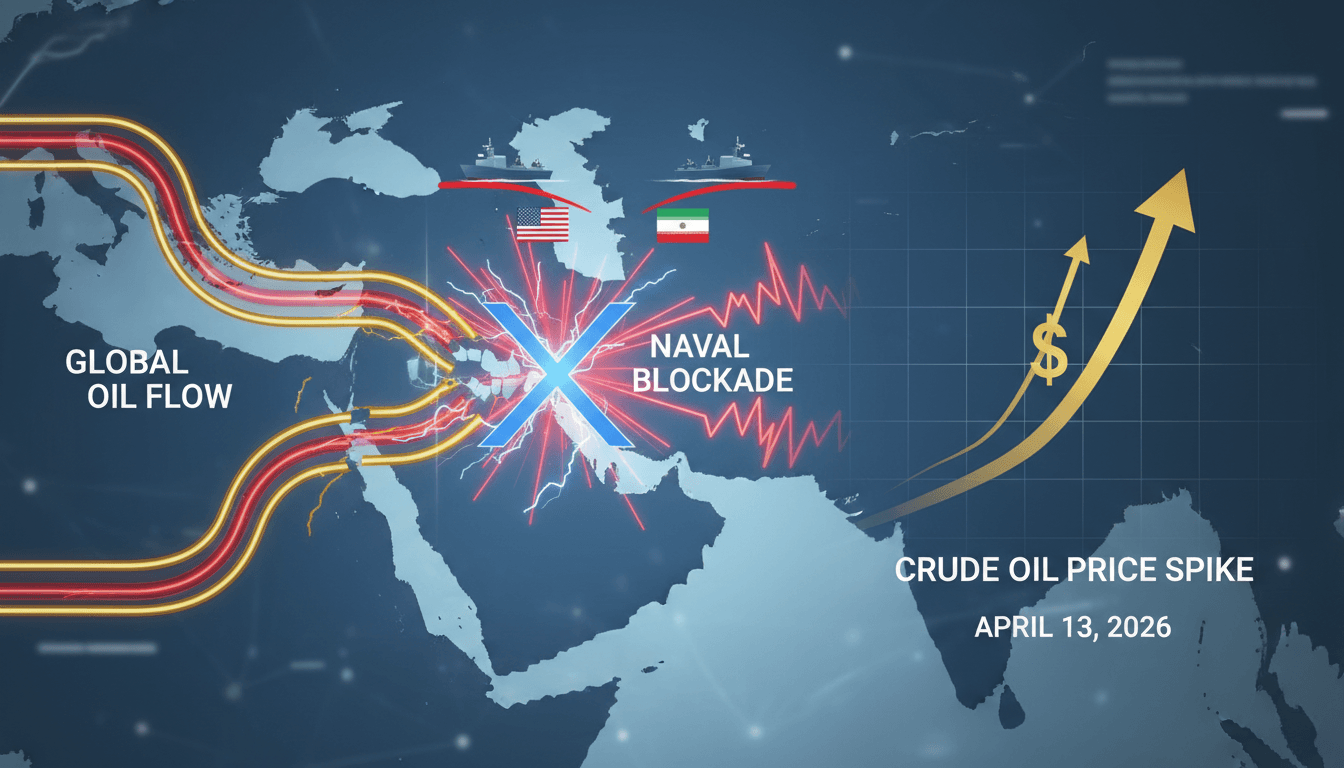
- Iran has vowed retaliation, escalating tensions in the region and causing a spike in oil prices as shipping routes are reconsidered.
The context you actually need
- The Strait of Hormuz is vital for global oil transport, with approximately 20% of the world's oil passing through it.
- U.S.-Iran relations have deteriorated significantly, particularly after failed peace talks and Iran's imposition of tolls on shipping routes.
- Economic pressure tactics by the U.S. aim to compel Iran to negotiate on nuclear issues, but they risk broader conflict and instability in the region.
What's really happening
The recent escalation in tensions between the U.S. and Iran is rooted in a complex interplay of military strategy, economic sanctions, and geopolitical maneuvering. Following the collapse of peace talks, the U.S. has adopted a more aggressive stance, enforcing a naval blockade in the Strait of Hormuz. This strategic move is designed to exert economic pressure on Iran, which relies heavily on oil exports for revenue. By threatening to annihilate any Iranian vessels that approach the blockade, Trump is signaling a zero-tolerance policy aimed at deterring Iranian aggression.
The U.S. military's prior actions, which resulted in the sinking of 158 Iranian military vessels, have significantly weakened Iran's naval capabilities. This has created a power imbalance in the region, allowing the U.S. to assert control over a critical maritime route. The blockade not only targets Iranian shipping but also aims to disrupt the flow of oil, thereby increasing the economic stakes for Iran. The U.S. hopes that by crippling Iran's ability to export oil, it can force the regime back to the negotiating table regarding its nuclear program.
However, this strategy carries substantial risks. Iran has vowed to retaliate against Gulf ports, which could lead to a broader military conflict. The potential for escalation is high, as both sides have significant military assets in the region. Moreover, the blockade has immediate implications for global oil markets. With shipping routes under threat, oil prices have already begun to surge, impacting consumers and businesses worldwide. The UAE and Saudi Arabia are closely monitoring the situation, as they are directly affected by any disruptions in oil transit through the Strait of Hormuz.
The situation is fluid, and while the U.S. has signaled a willingness to de-escalate if Iran concedes, the path forward remains fraught with uncertainty. The interplay of military threats, economic sanctions, and geopolitical interests will continue to shape the dynamics in the region, with far-reaching consequences for global oil supply and prices.
Who feels it first (and how)
- Oil consumers: Rising prices at the pump and increased costs for goods reliant on oil.
- Shipping companies: Higher insurance premiums and rerouting costs due to increased risk in the Strait of Hormuz.
- Middle Eastern economies: Countries like the UAE and Saudi Arabia face economic instability if oil exports are disrupted.
What to watch next
- Oil price fluctuations: Monitor how prices react to ongoing tensions and potential military actions.
- Iran's military responses: Watch for any retaliatory actions from Iran that could escalate the conflict.
- International diplomatic efforts: Observe any new negotiations or interventions from global powers aimed at de-escalating the situation.
The U.S. has enforced a naval blockade and issued threats against Iranian vessels.
Oil prices will continue to rise as tensions escalate and shipping routes are reconsidered.
The long-term impact on U.S.-Iran relations and the potential for further military conflict.
Frequently Asked Questions
- Why it matters?
- The Strait of Hormuz is a critical chokepoint for global oil transit, impacting prices and supply chains.
- What happened (in 30 seconds)?
- Trump issued a stark warning to Iran on April 13, 2026, threatening immediate annihilation of any Iranian ships approaching the U.S. naval blockade in the Strait of Hormuz. U.S. military operations have already sunk 158 Iranian military vessels, enforcing a blockade aimed at pressuring Iran over nuclear negotiations. Iran has vowed retaliation, escalating tensions in the region and causing a spike in oil prices as shipping routes are reconsidered.
- What's really happening?
- The recent escalation in tensions between the U.S. and Iran is rooted in a complex interplay of military strategy, economic sanctions, and geopolitical maneuvering. Following the collapse of peace talks, the U.S. has adopted a more aggressive stance, enforcing a naval blockade in the Strait of Hormuz. This strategic move is designed to exert economic pressure on Iran, which relies heavily on oil exports for revenue. By threatening to annihilate any Iranian vessels that approach the blockade, Tru
- Who feels it first (and how)?
- Oil consumers: Rising prices at the pump and increased costs for goods reliant on oil. Shipping companies: Higher insurance premiums and rerouting costs due to increased risk in the Strait of Hormuz. Middle Eastern economies: Countries like the UAE and Saudi Arabia face economic instability if oil exports are disrupted.
- What to watch next?
- Oil price fluctuations: Monitor how prices react to ongoing tensions and potential military actions. Iran's military responses: Watch for any retaliatory actions from Iran that could escalate the conflict. International diplomatic efforts: Observe any new negotiations or interventions from global powers aimed at de-escalating the situation.
Arabic-language UAE newspaper coverage focused on domestic affairs, public institutions, business, society, and regional developments.
"Al Khaleej coverage generally reflects a mainstream UAE editorial lens with strong attention to public affairs, institutions, and regional developments."
— A47 Editor
ترامب محذراً إيران: الإبادة الفورية لسفنكم إذا اقتربت من حصار «هرمز»
U.S. President Donald Trump issued a stern warning to Iran, stating that any Iranian vessels approaching the blockade in the Strait of Hormuz would face immediate destruction. This statement underscores the heightened tensions between the U.S. and Ir...
Arabic-language coverage of political affairs and current events.
"Okaz political coverage typically follows mainstream Saudi framing on national and regional affairs."
— A47 Editor
بعد سريان الحصار.. ترمب يهدد قوارب إيران بالقتل الوحشي
Following the implementation of a blockade on Iranian ports, U.S. President Donald Trump threatened to swiftly and brutally eliminate Iranian attack boats, similar to actions taken against drug trafficking vessels. Trump stated on his Truth Social pl...
Regional coverage and analysis focused on politics, diplomacy, and business across the Middle East.
"Al-Monitor is known for analytical reporting on Middle East politics and policy developments."
— A47 Editor
Trump says Iranian 'fast-attack' ships that come close to US blockade will be eliminated
U.S. President Donald Trump has issued a warning that any Iranian 'fast-attack' ships approaching the U.S. maritime blockade will be eliminated. This statement was made on Truth Social, emphasizing the U.S. Navy's readiness to respond to perceived th...
Corporate leadership, finance, technology, and market trends.
"Fortune covers financial trends, leadership, and innovation with a pragmatic editorial approach."
— A47 Editor
‘NO PORT in the region will be safe’: Iran responds to Trump blockade with Gulf-wide threat
Iran has issued a stern warning that no port in the region will be safe in response to President Donald Trump's announcement of a blockade on the Strait of Hormuz, a crucial maritime route. This blockade follows the collapse of peace negotiations bet...
Regional coverage and analysis focused on politics, diplomacy, and business across the Middle East.
"Al-Monitor is known for analytical reporting on Middle East politics and policy developments."
— A47 Editor
War in the Middle East: latest developments
The U.S. military has announced a blockade of all Iranian Gulf ports, set to take effect on Monday at 1400 GMT, effectively controlling maritime traffic in the vital Strait of Hormuz, which is crucial for global oil distribution. This decision follow...
Breaking news, politics, business, and entertainment from the U.S. and around the world.
"The New York Post is a tabloid-format newspaper known for its sensationalist headlines and conservative-leaning editorial tone."
— A47 Editor
Iran issues dire warning about President Trump’s Strait of Hormuz blockade: ‘Forceful response’
Iran issued a stern warning regarding President Trump's announced blockade of the Strait of Hormuz, stating that any military vessels approaching the area would face a strong response. This warning follows Trump's declaration aimed at halting all shi...
Regional coverage and analysis focused on politics, diplomacy, and business across the Middle East.
"Al-Monitor is known for analytical reporting on Middle East politics and policy developments."
— A47 Editor
Iran's Guards will view military vessels approaching strait as ceasefire breach
Iran's Revolutionary Guards have declared that any military vessels approaching the Strait of Hormuz will be regarded as a breach of the ongoing U.S. ceasefire and will face severe repercussions. This statement emphasizes Iran's control over the stra...
Capitol Hill news, legislation, and policy insight.
"The Hill specializes in U.S. politics and policy, with a focus on Capitol Hill developments and a reputation for insider reporting."
— A47 Editor
US military will 'clean out' Strait of Hormuz: Trump
President Trump announced that the U.S. Navy will implement a blockade of the Strait of Hormuz, stating that the military will 'clean out' the strait. This decision follows a breakdown in peace talks with Iran and aims to prevent ships from entering ...