
WPP, Dentsu, and Publicis Groupe Settle FTC Antitrust Claims Over Alleged Collusion
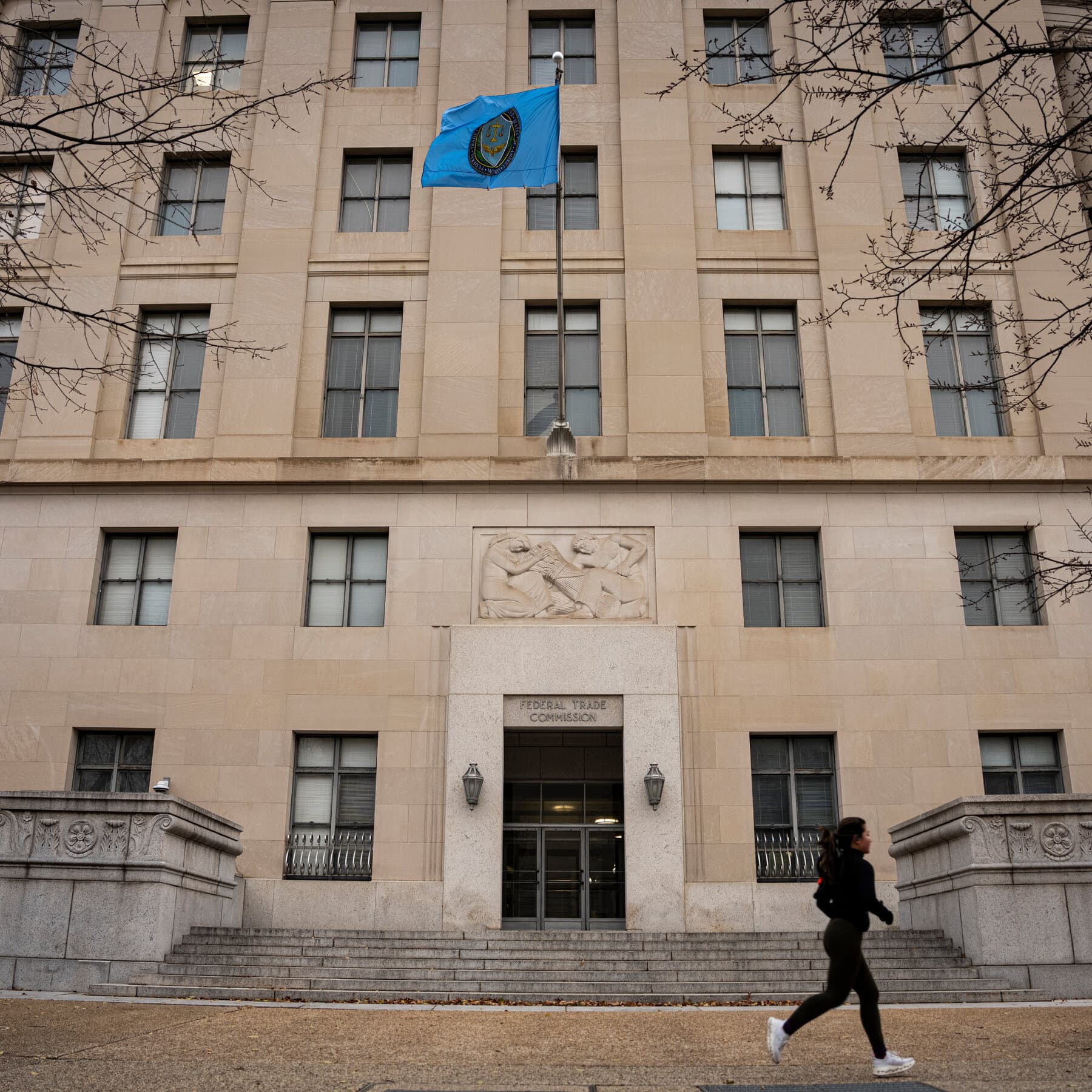
Here's what it means for you.
If you work in digital advertising or media, these settlements could reshape how brands approach ad placements and content moderation.
Why it matters
This case highlights the tension between brand safety standards and the potential suppression of diverse media voices in the advertising ecosystem.
What happened (in 30 seconds)
- On April 15, 2026, the FTC and eight states filed a complaint against WPP, Dentsu, and Publicis Groupe for alleged collusion to restrict ad placements on conservative media platforms.
- The settlements propose 10-year injunctions against similar coordination and five years of independent monitoring, pending court approval.
- This action follows a broader scrutiny of digital censorship and advertiser boycotts that began post-2016, particularly targeting conservative content.
The context you actually need
- The settlements stem from concerns over perceived bias in ad placements against conservative media, which intensified after the 2016 election.
- Trade associations like GARM and APB established brand safety standards that allegedly discriminated against right-leaning publishers, impacting their revenue.
- The FTC's focus on anti-conservative censorship under Chair Andrew N. Ferguson led to investigations into ad industry practices, culminating in these antitrust claims.
What's really happening
The settlements involving WPP, Dentsu, and Publicis Groupe are a significant development in the ongoing debate over brand safety and content moderation in digital advertising. Since 2018, these advertising giants have allegedly collaborated through trade associations to create uniform standards that effectively marginalized conservative media outlets. This collusion was purportedly aimed at establishing 'brand safety floors' that restricted ad placements on platforms deemed to host 'misinformation.'
The FTC's actions are rooted in a broader context of rising concerns about censorship and bias in digital media. Following the 2016 U.S. presidential election, many advertisers began to distance themselves from platforms that hosted conservative viewpoints, fearing backlash from consumers. This led to a series of advertiser boycotts that disproportionately affected conservative media, such as Breitbart. The FTC's investigation, initiated in 2025, sought to address these practices, which were perceived as anti-competitive and harmful to free speech.
The proposed settlements include a 10-year injunction against similar collusion and a five-year period of independent monitoring to ensure compliance. While the companies involved have not admitted liability, they have expressed commitments to legal compliance and unbiased client advice. This move is seen as an attempt to restore competition in the digital advertising landscape and to ensure that diverse media voices can access advertising revenue without undue restrictions.
The implications of these settlements extend beyond the immediate parties involved. They signal a potential shift in how advertisers approach brand safety and content moderation, particularly in relation to political and social commentary. As the digital advertising ecosystem continues to evolve, the outcomes of these settlements could influence future practices and policies, shaping the landscape for both advertisers and media outlets.
Who feels it first (and how)
- Digital advertisers: They may need to reassess their brand safety strategies and ad placements in light of new compliance requirements.
- Conservative media outlets: These platforms could see a potential increase in ad revenue as restrictions are lifted, allowing for more diverse content.
- Consumers: They may experience a broader range of media perspectives as advertising practices become less restrictive.
What to watch next
- Court approval of settlements: This will determine the enforceability of the proposed injunctions and monitoring periods, impacting future advertising practices.
- Changes in brand safety standards: Watch for shifts in how advertisers define and implement brand safety, particularly regarding political content.
- Further FTC investigations: The agency may pursue additional inquiries into other advertising practices, potentially leading to more settlements or regulatory changes.
The settlements impose significant restrictions on the involved companies for the next decade.
There will be a reevaluation of brand safety standards across the advertising industry.
The long-term impact on conservative media revenue and audience engagement remains to be seen.
Frequently Asked Questions
- Why it matters?
- This case highlights the tension between brand safety standards and the potential suppression of diverse media voices in the advertising ecosystem.
- What happened (in 30 seconds)?
- On April 15, 2026, the FTC and eight states filed a complaint against WPP, Dentsu, and Publicis Groupe for alleged collusion to restrict ad placements on conservative media platforms. The settlements propose 10-year injunctions against similar coordination and five years of independent monitoring, pending court approval. This action follows a broader scrutiny of digital censorship and advertiser boycotts that began post-2016, particularly targeting conservative content.
- What's really happening?
- The settlements involving WPP, Dentsu, and Publicis Groupe are a significant development in the ongoing debate over brand safety and content moderation in digital advertising. Since 2018, these advertising giants have allegedly collaborated through trade associations to create uniform standards that effectively marginalized conservative media outlets. This collusion was purportedly aimed at establishing 'brand safety floors' that restricted ad placements on platforms deemed to host 'misinformati
- Who feels it first (and how)?
- Digital advertisers: They may need to reassess their brand safety strategies and ad placements in light of new compliance requirements. Conservative media outlets: These platforms could see a potential increase in ad revenue as restrictions are lifted, allowing for more diverse content. Consumers: They may experience a broader range of media perspectives as advertising practices become less restrictive.
- What to watch next?
- Court approval of settlements: This will determine the enforceability of the proposed injunctions and monitoring periods, impacting future advertising practices. Changes in brand safety standards: Watch for shifts in how advertisers define and implement brand safety, particularly regarding political content. Further FTC investigations: The agency may pursue additional inquiries into other advertising practices, potentially leading to more settlements or regulatory changes.
Market-moving headlines impacting equities, bonds, and related risk assets.
"Real-time catalysts and volatility drivers across indices and sectors."
— A47 Editor
Big ad agencies settle US FTC probe into alleged boycott over political content
Big advertising agencies have reached a settlement with the US Federal Trade Commission (FTC) regarding an investigation into alleged boycotts of political content. This inquiry focused on claims that these firms misallocated client funds, diverting ...
Consumer tech and culture with frequent AI coverage.
"Influential tech outlet covering AI products and policy."
— A47 Editor
FTC pushes ad agencies into dropping brand safety rules
The Federal Trade Commission (FTC) has proposed a settlement with major advertising agencies, preventing them from collectively avoiding platforms like X due to political biases. This action follows allegations that these agencies violated antitrust ...
Tech news, reviews, and analysis of consumer electronics, science, art, and culture.
"The Verge is a technology-focused media outlet known for in-depth reporting, product reviews, and coverage of the intersection between technology and culture."
— A47 Editor
FTC pushes ad agencies into dropping brand safety rules
The Federal Trade Commission (FTC) has proposed a settlement with major advertising agencies, preventing them from collectively avoiding platforms like X due to political biases. This action follows allegations that these agencies violated antitrust ...
Curated tech headlines including AI stories.
"Influential aggregator surfacing the day’s top tech/AI links."
— A47 Editor
WPP, Dentsu, and Publicis settle with the FTC over claims they colluded on misinformation policies that denied ad revenue to conservative publishers (David McCabe/New York Times)
WPP, Dentsu, and Publicis have reached a settlement with the Federal Trade Commission (FTC) regarding allegations of collusion to deny advertising revenue to conservative publishers, which has raised concerns about the impact of misinformation polici...
Tech industry coverage with AI angles.
"Mainstream tech news intersecting with AI policy and culture."
— A47 Editor
Ad Companies Settle With F.T.C. Over Claims of Harm to Conservative Sites
WPP, Dentsu, and Publicis have reached a settlement with the Federal Trade Commission (FTC) over allegations that they colluded to deny advertising revenue to conservative publishers, impacting their financial viability. The settlement addresses clai...
Tech policy, trends, and innovation news.
"The New York Times is a globally recognized newspaper offering authoritative reporting with a center-left editorial stance."
— A47 Editor
Ad Companies Settle With F.T.C. Over Claims of Harm to Conservative Sites
WPP, Dentsu, and Publicis have reached a settlement with the Federal Trade Commission (FTC) over allegations that they colluded to deny advertising revenue to conservative publishers, impacting their financial viability. The settlement addresses clai...
U.S. business news, corporate developments, and economy.
"The Wall Street Journal is respected for deep financial and economic reporting with a center-right editorial perspective."
— A47 Editor
FTC, Ad Companies Agree to Settlement Terms in Boycott Probe
The Federal Trade Commission (FTC) has reached settlement terms with advertising companies following an investigation into allegations that these firms were diverting client funds away from specific media platforms. This inquiry, which began last yea...