
Keir Starmer Faces Criticism Over UK Defence Spending Amid Rising Geopolitical Tensions
Here's what it means for you.
As geopolitical tensions rise, understanding the UK's defence spending decisions could impact your business and travel plans.
Why it matters
The UK's defence budget decisions directly influence global security dynamics, affecting international markets and trade relationships.
What happened (in 30 seconds)
- Lord George Robertson accused Prime Minister Keir Starmer of 'corrosive complacency' regarding UK defence spending amid rising threats.
- Fiona Hill highlighted a 'bizarre lack of urgency' in preparing for potential conflicts, particularly with the Iran war.
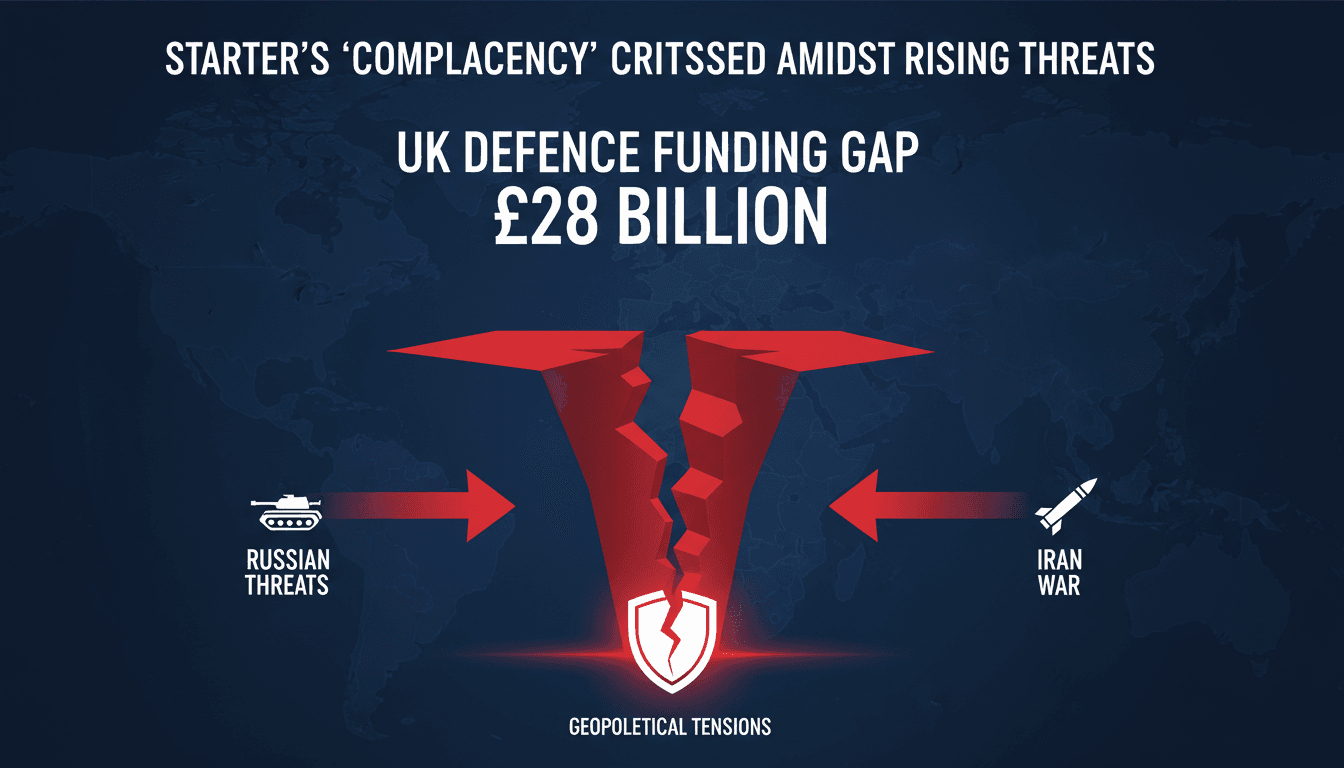
- Starmer defended his administration's commitment to increasing defence spending to 2.5% of GDP by 2027, despite a projected £28 billion funding shortfall.
The context you actually need
- Strategic Defence Review (SDR): The June 2025 SDR revealed significant gaps in UK military capabilities, particularly in light of Russian threats and the Iran war.
- Funding Delays: The government has faced delays in implementing a promised 10-year defence investment plan, leading to criticism from defence experts.
- Geopolitical Pressures: Increased Russian submarine activity near UK infrastructure and NATO's calls for higher spending have intensified scrutiny on the UK's defence posture.
What's really happening
The recent podcast episode from The Guardian highlights a critical debate surrounding the UK's defence strategy under Prime Minister Keir Starmer. The accusations of 'corrosive complacency' from Lord George Robertson, a former NATO Secretary General, underscore a growing concern about the UK's military readiness in the face of escalating global threats, particularly from Russia and the ongoing conflict in Iran.
Starmer's administration has committed to a significant increase in defence spending, aiming for 2.5% of GDP by 2027 and a total investment of £270 billion over the parliamentary term—the largest since the Cold War. However, this commitment is juxtaposed against a backdrop of a projected £28 billion funding shortfall over the next four years, as identified in the Strategic Defence Review. This gap raises questions about the feasibility of these spending promises and the potential trade-offs between national security and domestic welfare programs.
The criticism from Robertson and Hill points to a perceived lack of urgency in addressing these funding issues, particularly as the UK faces immediate threats. The mention of only one deployable warship at the onset of the Iran war illustrates the stark reality of the UK's military capabilities. This situation is compounded by internal pressures within the government, where Defence Secretary John Healey is advocating for increased funding amidst demands for £3.5 billion in savings.
The implications of this debate extend beyond the UK. As the geopolitical landscape shifts, the UK's defence posture will influence not only its own security but also that of its allies and global markets. The rising oil prices and disruptions in Gulf aviation and trade, linked to the Iran conflict, have already begun to affect economies like Dubai's, highlighting the interconnectedness of these issues.
In summary, while Starmer's government is making commitments to bolster defence spending, the reality of funding shortfalls and geopolitical pressures creates a complex landscape that could have far-reaching consequences for both national and international stability.
Who feels it first (and how)
- Government Officials: Increased scrutiny and pressure to allocate funds effectively.
- Military Personnel: Potential impacts on readiness and operational capabilities.
- Businesses in Defence Sector: Opportunities for contracts but uncertainty due to funding gaps.
- Expatriates and Travelers: Changes in travel and trade dynamics influenced by geopolitical tensions.
- UK Citizens: Possible trade-offs between welfare programs and national security funding.
What to watch next
- Defence Spending Announcements: Monitor any updates on the implementation of the 10-year defence investment plan, as these will indicate the government's commitment to military readiness.
- Geopolitical Developments: Keep an eye on the Iran conflict and Russian military activities, as these could prompt shifts in UK defence policy and spending.
- Public Opinion: Watch for changes in public sentiment regarding defence spending versus welfare, which could influence future political decisions.
The UK faces a £28 billion funding shortfall in defence over the next four years.
Increased pressure on the government to balance defence spending with domestic welfare needs.
The long-term impact of geopolitical tensions on UK defence policy and international relations.
Frequently Asked Questions
- Why it matters?
- The UK's defence budget decisions directly influence global security dynamics, affecting international markets and trade relationships.
- What happened (in 30 seconds)?
- Lord George Robertson accused Prime Minister Keir Starmer of 'corrosive complacency' regarding UK defence spending amid rising threats. Fiona Hill highlighted a 'bizarre lack of urgency' in preparing for potential conflicts, particularly with the Iran war. Starmer defended his administration's commitment to increasing defence spending to 2.5% of GDP by 2027, despite a projected £28 billion funding shortfall.
- What's really happening?
- The recent podcast episode from The Guardian highlights a critical debate surrounding the UK's defence strategy under Prime Minister Keir Starmer. The accusations of 'corrosive complacency' from Lord George Robertson, a former NATO Secretary General, underscore a growing concern about the UK's military readiness in the face of escalating global threats, particularly from Russia and the ongoing conflict in Iran. Starmer's administration has committed to a significant increase in defence spendin
- Who feels it first (and how)?
- Government Officials: Increased scrutiny and pressure to allocate funds effectively. Military Personnel: Potential impacts on readiness and operational capabilities. Businesses in Defence Sector: Opportunities for contracts but uncertainty due to funding gaps. Expatriates and Travelers: Changes in travel and trade dynamics influenced by geopolitical tensions. UK Citizens: Possible trade-offs between welfare programs and national security funding.
- What to watch next?
- Defence Spending Announcements: Monitor any updates on the implementation of the 10-year defence investment plan, as these will indicate the government's commitment to military readiness. Geopolitical Developments: Keep an eye on the Iran conflict and Russian military activities, as these could prompt shifts in UK defence policy and spending. Public Opinion: Watch for changes in public sentiment regarding defence spending versus welfare, which could influence future political decisions.
Top international stories selected by The Guardian editors.
"The Guardian is known for its progressive editorial stance and in-depth analysis."
— A47 Editor
Is Keir Starmer ‘complacent’ on defence? – podcast
Keir Starmer has faced criticism from Labour peer George Robertson regarding his perceived complacency on defense funding, raising questions about the government's prioritization of military investment. Starmer's response indicates a willingness to c...
United Kingdom-focused news including local politics, business, and social issues.
"BBC News is widely regarded as a reputable international news organization, known for its impartial tone and public service mandate."
— A47 Editor
Starmer challenged over defence investment plan delay
UK Prime Minister Keir Starmer is under increasing pressure to clarify the timeline for the publication of a crucial defence investment funding blueprint, which has yet to be released. This delay has raised concerns among political analysts and oppos...
Political developments, elections, and policy issues in the UK.
"Sky News is a UK-based 24-hour channel known for fast-breaking news and political coverage."
— A47 Editor
'Corrosive complacency' - Robertson tears into PM and Reeves in extraordinary intervention on defence
Lord George Robertson has sharply criticized UK Prime Minister Keir Starmer and Chancellor Rachel Reeves for their failure to expedite defense rearmament in light of escalating global threats, marking a significant intervention in defense spending di...
UK politics, business, and social stories.
"Sky News is a UK-based 24-hour channel known for fast-breaking news and political coverage."
— A47 Editor
Starmer and Reeves to be accused of 'corrosive complacency' over defence
Sir Keir Starmer and Rachel Reeves are facing accusations of 'corrosive complacency' regarding defense, as highlighted by the lead author of their own defense review, raising concerns about their commitment to national security.
Political developments, elections, and policy issues in the UK.
"Sky News is a UK-based 24-hour channel known for fast-breaking news and political coverage."
— A47 Editor
'Our national security is in peril,' Starmer and Reeves told by author of damning defence review
Sir Keir Starmer and Rachel Reeves are facing serious accusations of 'corrosive complacency' regarding national defense, as highlighted by the lead author of their own defense review. This intervention raises significant concerns about their commitme...