
BP Reports Strong Q1 2026 Oil Trading Results Amid Iran Conflict-Induced Market Turbulence
Here's what it means for you.
If you're in the energy sector or rely on oil prices, BP's trading success signals potential shifts in market dynamics that could affect your costs and investments.
Why it matters
The ongoing conflict in Iran is creating significant volatility in global energy markets, impacting oil prices and trading strategies.
What happened (in 30 seconds)
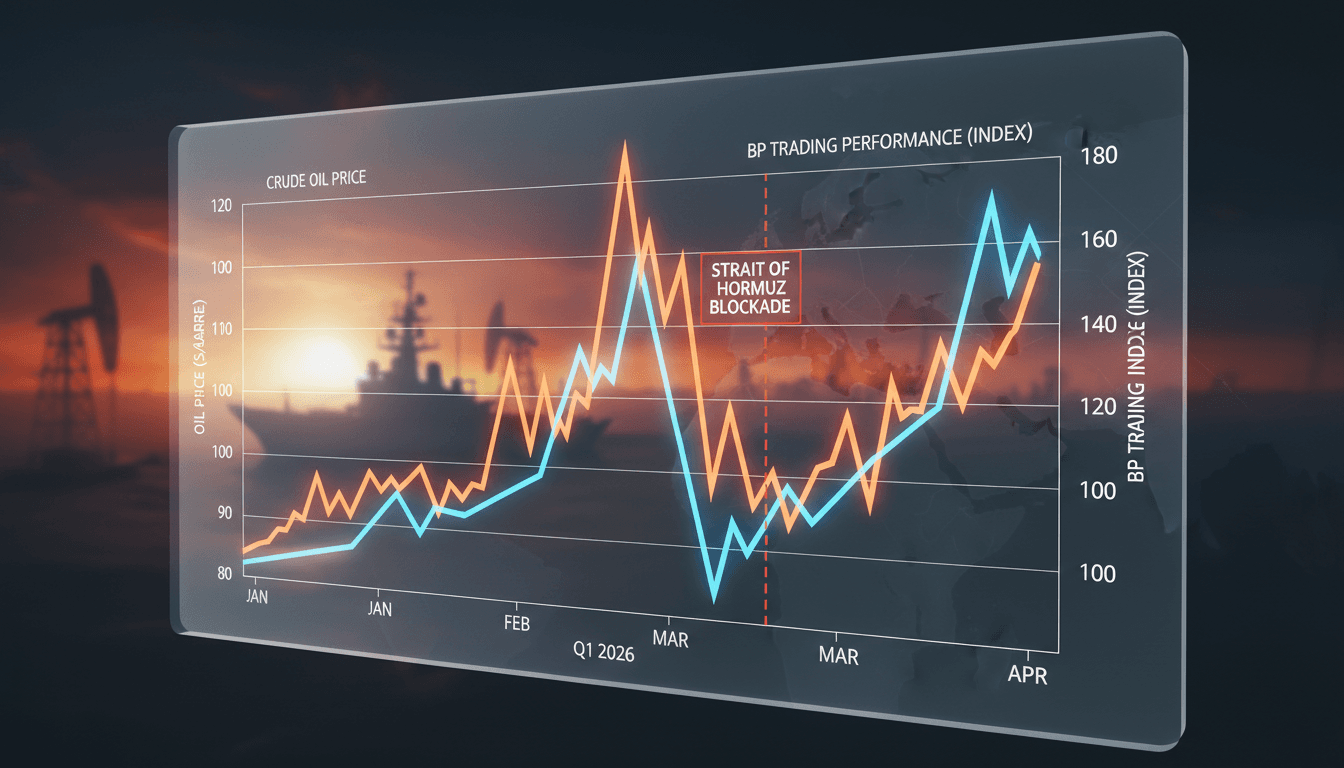
- BP reported exceptional Q1 2026 results driven by crude oil prices surging above $100 per barrel due to the Iran war.
- The U.S. naval blockade of the Strait of Hormuz exacerbated supply disruptions, pushing Brent crude prices to peaks near $120 per barrel.
- Net debt rose to $25-27 billion as BP's upstream production remained flat, indicating a working-capital build amid market volatility.
The context you actually need
- The Iran war began on February 28, 2026, with U.S. and Israeli airstrikes, leading to immediate retaliatory actions from Iran.
- The closure of the Strait of Hormuz on March 4 stranded oil exports, significantly affecting global supply chains.
- BP's trading performance contrasts sharply with its weak Q4 2025 results, highlighting the impact of geopolitical events on corporate earnings.
What's really happening
The exceptional performance of BP's oil trading operations in Q1 2026 is a direct consequence of the geopolitical turmoil stemming from the Iran war. The conflict, which escalated with U.S. and Israeli airstrikes on February 28, has led to significant disruptions in oil supply, particularly following Iran's closure of the Strait of Hormuz on March 4. This strategic chokepoint is crucial for global oil transport, and its blockade has resulted in a dramatic surge in crude oil prices, reaching peaks near $120 per barrel.
BP's trading success can be attributed to its ability to capitalize on these price fluctuations. The company reported a working-capital build of $4-7 billion, indicating that it has been actively engaged in trading activities that exploit the volatility in oil prices. This is a stark contrast to the previous quarter, where BP's performance was lackluster, reflecting the broader challenges faced by the energy sector in a post-pandemic recovery phase.
The rise in oil prices has created lucrative arbitrage opportunities for traders, reminiscent of the market dynamics observed during the post-2022 Ukraine invasion period. BP's upstream production remained flat at approximately 2.34 million barrels of oil equivalent per day, suggesting that the company's trading operations are becoming increasingly vital to its overall financial health. The increase in net debt to $25-27 billion, up from $22.2 billion, underscores the financial pressures that come with navigating such a volatile market.
Moreover, BP's peers, including Shell, are also reporting similar boosts in trading performance, indicating a sector-wide trend driven by the same geopolitical factors. As oil prices remain elevated, the energy sector is likely to see continued volatility, which could lead to further financial windfalls for companies adept at navigating these turbulent waters.
Who feels it first (and how)
- Energy traders: They benefit from increased trading volumes and price volatility.
- Oil-dependent industries: Sectors like transportation and manufacturing may face rising costs due to higher fuel prices.
- Consumers: Individuals may experience increased fuel prices at the pump, impacting household budgets.
- Investors: Those with stakes in energy stocks could see fluctuations in portfolio values based on market performance.
What to watch next
- Oil price trends: Monitoring Brent crude prices will be crucial as they directly impact trading strategies and corporate earnings.
- Geopolitical developments: Any escalation or resolution in the Iran conflict could significantly alter market dynamics.
- Earnings reports from energy companies: Upcoming disclosures will provide insights into how companies are managing the current volatility and their strategies moving forward.
BP's trading performance has improved due to geopolitical volatility.
Continued fluctuations in oil prices as the Iran war progresses.
The long-term impact on global energy markets once the conflict stabilizes.
Frequently Asked Questions
- Why it matters?
- The ongoing conflict in Iran is creating significant volatility in global energy markets, impacting oil prices and trading strategies.
- What happened (in 30 seconds)?
- BP reported exceptional Q1 2026 results driven by crude oil prices surging above $100 per barrel due to the Iran war. The U.S. naval blockade of the Strait of Hormuz exacerbated supply disruptions, pushing Brent crude prices to peaks near $120 per barrel. Net debt rose to $25-27 billion as BP's upstream production remained flat, indicating a working-capital build amid market volatility.
- What's really happening?
- The exceptional performance of BP's oil trading operations in Q1 2026 is a direct consequence of the geopolitical turmoil stemming from the Iran war. The conflict, which escalated with U.S. and Israeli airstrikes on February 28, has led to significant disruptions in oil supply, particularly following Iran's closure of the Strait of Hormuz on March 4. This strategic chokepoint is crucial for global oil transport, and its blockade has resulted in a dramatic surge in crude oil prices, reaching peak
- Who feels it first (and how)?
- Energy traders: They benefit from increased trading volumes and price volatility. Oil-dependent industries: Sectors like transportation and manufacturing may face rising costs due to higher fuel prices. Consumers: Individuals may experience increased fuel prices at the pump, impacting household budgets. Investors: Those with stakes in energy stocks could see fluctuations in portfolio values based on market performance.
- What to watch next?
- Oil price trends: Monitoring Brent crude prices will be crucial as they directly impact trading strategies and corporate earnings. Geopolitical developments: Any escalation or resolution in the Iran conflict could significantly alter market dynamics. Earnings reports from energy companies: Upcoming disclosures will provide insights into how companies are managing the current volatility and their strategies moving forward.
U.S. business news, corporate developments, and economy.
"The Wall Street Journal is respected for deep financial and economic reporting with a center-right editorial perspective."
— A47 Editor
BP Sees Exceptional Oil-Trading Result as Middle East War Fuels Volatility
BP has reported exceptional results in oil trading, attributing this performance to increased market volatility driven by the ongoing conflict in the Middle East. The company anticipates that upstream production will remain stable, but it expects a r...
Pan-Arab news coverage spanning politics, business, sports, and regional affairs.
"Asharq Al-Awsat reflects a broad Arab editorial perspective with strong attention to regional geopolitics."
— A47 Editor
«بي بي» تتوقع نتائج «استثنائية» في الربع الأول بدفع من قفزة أسعار النفط
British company BP announced on Tuesday that it expects to achieve 'exceptional' results from its massive oil trading division during the first quarter, driven by a surge in oil prices.
Global markets, investing, and macroeconomics from a premier financial newsroom.
"Bloomberg is respected for in-depth financial reporting and data-driven analysis."
— A47 Editor
BP Flags Exceptional Oil Trading Gain as Energy Prices Soar
BP Plc reported exceptional oil trading gains in the first quarter, attributing this success to a surge in energy prices driven by the ongoing conflict in Iran. The geopolitical tensions have significantly impacted market dynamics, leading to increas...