
Maine Legislature Passes First Statewide Moratorium on Large Data Centers
Here's what it means for you.
If you’re in tech or energy sectors, this moratorium could reshape your operational landscape and investment strategies.
Why it matters
This legislative move reflects growing tensions between technological advancement and environmental sustainability, impacting energy markets nationwide.
What happened (in 30 seconds)
- Maine passed LD 307: On April 14, 2026, the Maine Legislature enacted an 18-month moratorium on new data centers exceeding 20 megawatts.
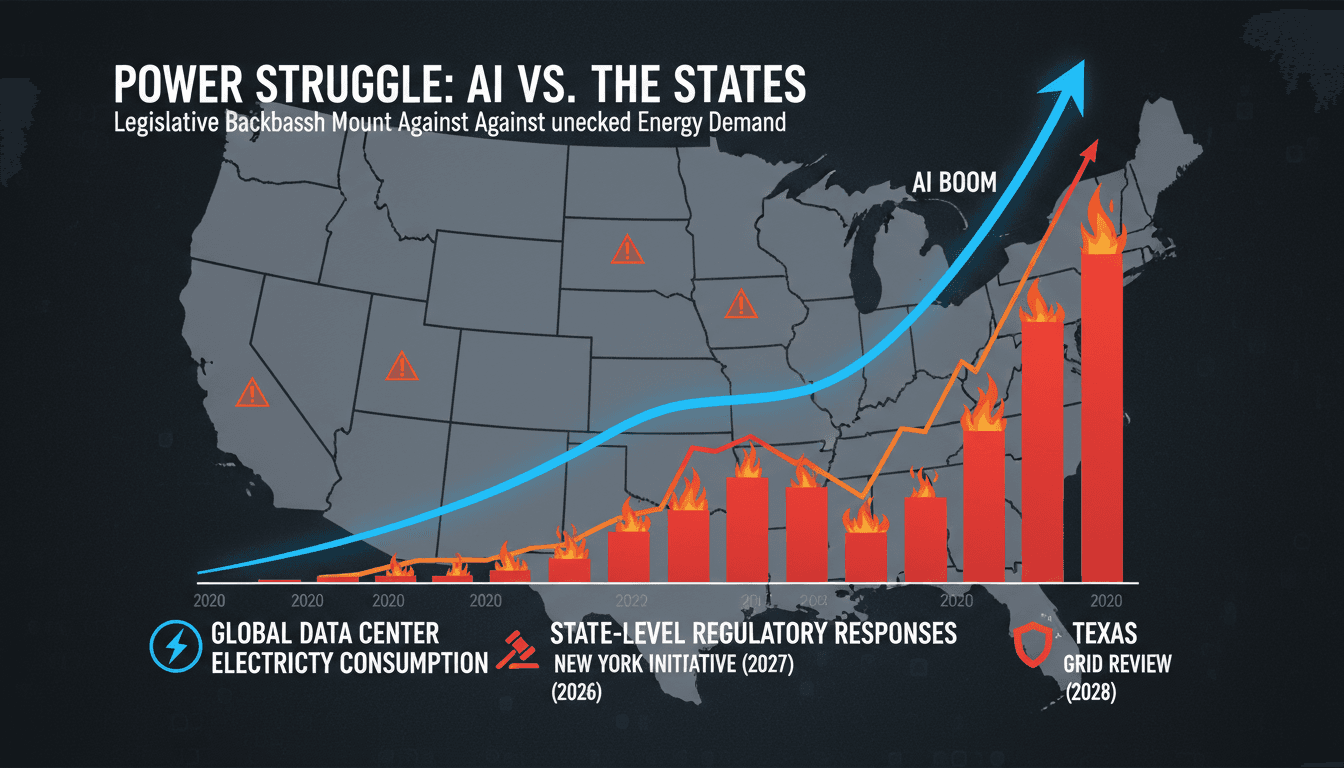
- Concerns over energy: The decision stems from worries about rising electricity costs, grid reliability, and environmental impacts linked to the AI data center boom.
- Coordination council established: The bill mandates the formation of a council to study the effects of data centers and provide policy recommendations by February 2027.
The context you actually need
- Rising electricity demand: Data centers are projected to consume more than one-ninth of the U.S. total electricity usage by 2028, raising alarms about grid stability.
- Local moratoriums: Maine's action follows similar local bans in states like Indiana and Michigan, indicating a broader trend of regulatory caution across the U.S.
- Economic implications: While the moratorium aims to protect residents from potential rate hikes, it also risks stifling economic development in areas seeking investment in tech infrastructure.
What's really happening
The passage of LD 307 marks a significant shift in how states are approaching the rapid expansion of data centers, particularly those supporting artificial intelligence. As AI technologies proliferate, the demand for data processing and storage has surged, leading to a corresponding increase in electricity consumption. Maine's decision to impose an 18-month moratorium on large data centers reflects a growing concern among lawmakers and constituents about the sustainability of this growth.
The bill, sponsored by Rep. Melanie Sachs, received bipartisan support, indicating a shared recognition of the potential risks associated with unchecked data center expansion. The moratorium specifically targets facilities that exceed 20 megawatts, a threshold that captures many of the large-scale operations that have been proposed in economically distressed areas, such as former mill towns. These areas often see data centers as a potential economic boon, but the trade-off involves significant environmental and infrastructural costs.
The establishment of the Maine Data Center Coordination Council is a critical component of this legislation. This council is tasked with studying the impacts of data centers on local electricity grids, water usage, and overall environmental health. By February 2027, the council is expected to deliver policy recommendations that could shape the future of data center development in the state. This proactive approach aims to balance economic development with the need for sustainable energy practices.
However, the moratorium has not been without controversy. Industry groups and developers have voiced concerns that such regulations could deter investment and lead to job losses in the tech sector. The proposed $550 million Jay project, which was not exempted from the moratorium, has become a focal point of this debate, with advocates arguing for its potential to create local jobs and stimulate the economy.
As other states monitor Maine's actions, the implications of this moratorium could resonate beyond state lines. With over a dozen states considering similar measures, the trend reflects a broader geopolitical climate prioritizing grid stability and environmental protection amid the AI boom. The balance between fostering technological innovation and ensuring sustainable practices is becoming increasingly critical as the demand for data centers continues to rise.
Who feels it first (and how)
- Tech developers: Facing potential delays and increased regulatory scrutiny on new projects.
- Local residents: May benefit from reduced electricity costs and environmental protections but could also see job opportunities diminish.
- Energy providers: Will need to adapt to changing demand patterns and regulatory environments, impacting pricing strategies.
- Environmental advocates: Likely to see this as a victory for sustainability, pushing for similar measures in other states.
What to watch next
- Governor's decision: The response from Governor Janet Mills will be crucial; her support or veto could set a precedent for other states.
- Council recommendations: The findings from the Maine Data Center Coordination Council will provide insights into the future of data center regulations and energy policies.
- Legislative trends: Monitor similar bills in other states; the outcomes could indicate a nationwide shift in how data centers are regulated.
The moratorium is in effect for 18 months, impacting new data center approvals.
Other states will consider similar moratoriums or regulations in response to Maine's actions.
The long-term economic impact on local job markets and energy prices remains to be seen.
Frequently Asked Questions
- Why it matters?
- This legislative move reflects growing tensions between technological advancement and environmental sustainability, impacting energy markets nationwide.
- What happened (in 30 seconds)?
- Maine passed LD 307: On April 14, 2026, the Maine Legislature enacted an 18-month moratorium on new data centers exceeding 20 megawatts. Concerns over energy: The decision stems from worries about rising electricity costs, grid reliability, and environmental impacts linked to the AI data center boom. Coordination council established: The bill mandates the formation of a council to study the effects of data centers and provide policy recommendations by February 2027.
- What's really happening?
- The passage of LD 307 marks a significant shift in how states are approaching the rapid expansion of data centers, particularly those supporting artificial intelligence. As AI technologies proliferate, the demand for data processing and storage has surged, leading to a corresponding increase in electricity consumption. Maine's decision to impose an 18-month moratorium on large data centers reflects a growing concern among lawmakers and constituents about the sustainability of this growth. The b
- Who feels it first (and how)?
- Tech developers: Facing potential delays and increased regulatory scrutiny on new projects. Local residents: May benefit from reduced electricity costs and environmental protections but could also see job opportunities diminish. Energy providers: Will need to adapt to changing demand patterns and regulatory environments, impacting pricing strategies. Environmental advocates: Likely to see this as a victory for sustainability, pushing for similar measures in other states.
- What to watch next?
- Governor's decision: The response from Governor Janet Mills will be crucial; her support or veto could set a precedent for other states. Council recommendations: The findings from the Maine Data Center Coordination Council will provide insights into the future of data center regulations and energy policies. Legislative trends: Monitor similar bills in other states; the outcomes could indicate a nationwide shift in how data centers are regulated.
Tech business coverage, major deals, product launches, and Silicon Valley trends.
"WSJ’s tech section offers authoritative reporting on the intersection of technology and business, including exclusive industry analysis."
— A47 Editor
Maine Lawmakers Pass Ban on Large Data Centers
Maine lawmakers have passed a bill that bans the establishment of large data centers consuming over 20 megawatts of power until late 2027. This legislation is now awaiting the approval of Democratic Governor Janet Mills.
Insights and news on social issues, policy, and political movements across the United States.
"The Wall Street Journal is known for its deep political coverage, especially at the intersection of policy, regulation, and social dynamics."
— A47 Editor
Maine lawmakers passed a ban on large data-center construction, making it the first state to enact such a measure as communities around the U.S. deal with fallout from the AI boom
Maine lawmakers have passed a bill that imposes a temporary ban on the construction of large data centers consuming over 20 megawatts of power, effective until late 2027. This legislation is now awaiting the approval of Democratic Governor Janet Mill...
Market-moving headlines impacting equities, bonds, and related risk assets.
"Real-time catalysts and volatility drivers across indices and sectors."
— A47 Editor
Maine legislature approves first US moratorium on big data centers
The Maine legislature has approved the first moratorium on big data centers in the United States, marking a significant regulatory step in the tech industry. This decision reflects growing concerns over the environmental and infrastructural impacts o...