
Strait of Hormuz shipping traffic remains critically low despite U.S.-Iran ceasefire
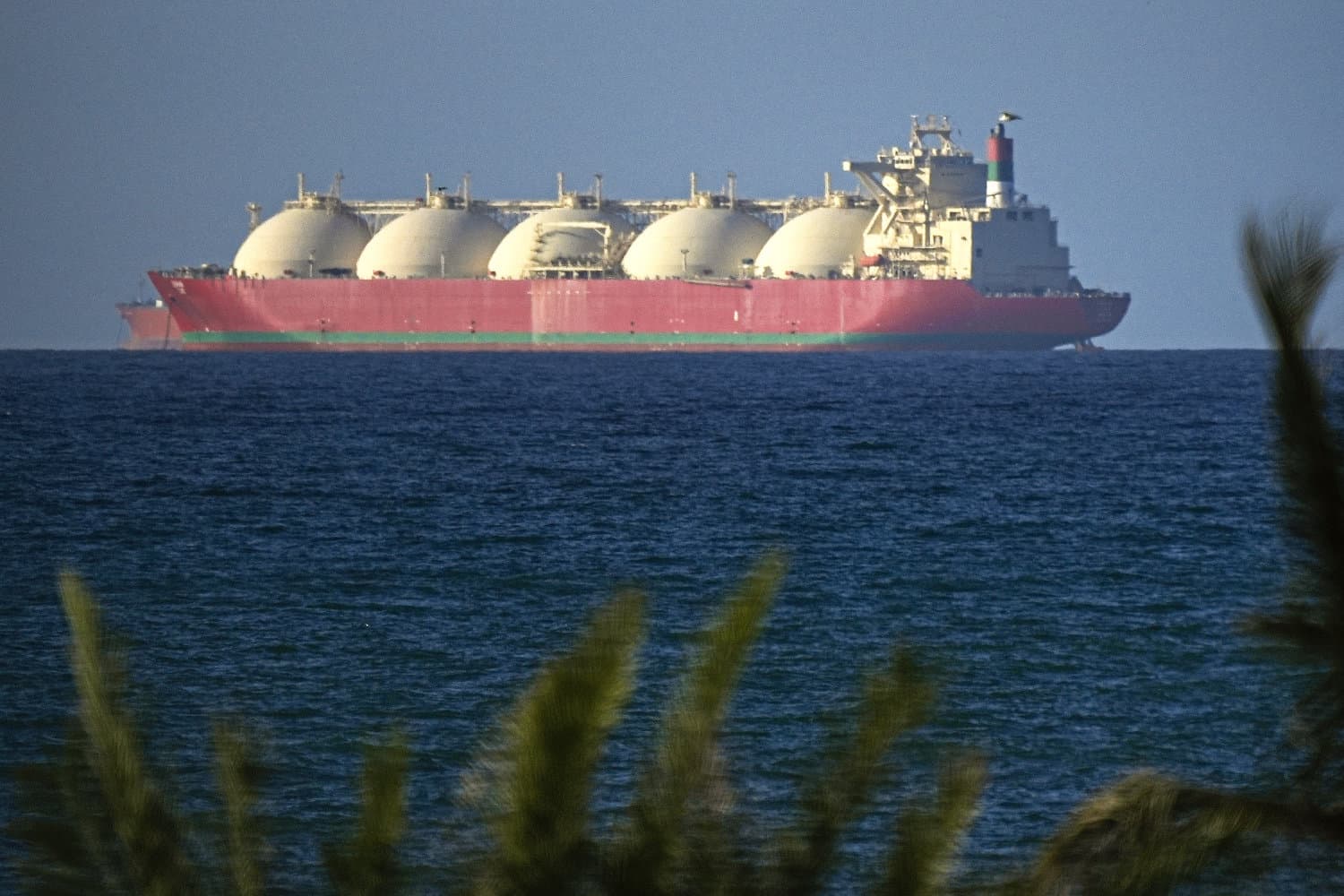
Here's what it means for you.
If you rely on global oil supplies, the ongoing disruptions in the Strait of Hormuz could lead to higher prices and supply chain challenges.
Why it matters
The Strait of Hormuz is critical for global oil trade, handling 20-25% of seaborne oil, and its disruption affects energy markets worldwide.
What happened (in 30 seconds)
- Ceasefire announced: On April 8, 2026, the U.S. and Iran agreed to a two-week ceasefire contingent on safe passage through the Strait of Hormuz.
- Minimal shipping traffic: As of April 9, only seven vessels transited the strait, far below the normal average of over 100 ships daily.
- Iran's restrictions: Iran imposed strict conditions for passage, including military coordination and potential tolls, causing commercial operators to remain cautious.
The context you actually need
- War background: The crisis follows the 2026 Iran war, which began on February 28, 2026, with U.S. and Israeli airstrikes resulting in significant Iranian retaliation and a blockade of the strait.
- Economic implications: Oil prices surged above $100 per barrel amid uncertainty, impacting global markets and leading to supply chain strains.
- Regional tensions: The situation has escalated geopolitical tensions in the region, affecting not only oil prices but also broader economic stability.
What's really happening
The ongoing disruption in the Strait of Hormuz is rooted in the recent escalation of conflict between the U.S. and Iran. Following the initiation of the 2026 Iran war, the strait, a critical maritime chokepoint, saw a drastic reduction in shipping traffic. Before the conflict, over 100 vessels passed through daily, but following the war's outbreak, traffic plummeted to near zero as Iran imposed a blockade and issued warnings to merchant ships.
The ceasefire announced on April 8, 2026, was intended to restore some level of normalcy, but Iran's strict conditions for passage have effectively maintained the standstill. The Iranian Revolutionary Guard Corps (IRGC) has asserted control over the strait, requiring vessels to adhere to designated routes and coordinate with military forces. This has created a climate of uncertainty for commercial shipping firms, who are now weighing the risks of navigating through the strait against the potential costs of rerouting.
The proposed tolls of up to $2 million in cryptocurrency for passage further complicate the situation, as shipowners are hesitant to incur additional expenses without clear guarantees of safety. The result is a near-total halt in shipping traffic, with only seven vessels reported to have transited the strait in a 24-hour period as of April 9, 2026. This is a stark contrast to the normal daily average of over 140 vessels, highlighting the severity of the disruption.
The implications of this situation extend beyond immediate shipping concerns. Oil prices have surged, exceeding $100 per barrel, as markets react to the uncertainty surrounding supply routes. The United Arab Emirates has demanded an unconditional reopening of the strait at the United Nations, while the U.S. has expressed opposition to Iran's tolls and fees. Meanwhile, global shipping organizations are advising caution, with many vessels stranded and seafarers being repatriated via land routes.
As the situation unfolds, the potential for further escalation remains high. The strait's status as a vital artery for global oil trade means that disruptions here can have cascading effects on energy prices and supply chains worldwide. The longer the strait remains under these restrictions, the more pronounced the economic impact will be, particularly for countries heavily reliant on oil imports.
Who feels it first (and how)
- Shipping companies: Facing increased costs and operational risks due to restricted access.
- Oil producers: Gulf producers declaring force majeure, impacting production and exports.
- Consumers: Higher fuel prices and potential shortages affecting everyday costs.
- Freight and logistics firms: Experiencing surging freight and insurance costs due to rerouting.
- Governments: UAE and other regional governments facing pressure to ensure energy security.
What to watch next
- Shipping traffic levels: Monitor the number of vessels transiting the strait; a sustained increase could indicate easing tensions.
- Oil price fluctuations: Watch for changes in oil prices, which could signal market reactions to shifts in supply chain dynamics.
- Geopolitical developments: Keep an eye on diplomatic efforts and military actions in the region that could impact the ceasefire and shipping conditions.
The Strait of Hormuz is critical for global oil trade, handling 20-25% of seaborne oil.
Continued shipping disruptions will lead to higher oil prices and increased supply chain strains.
The duration of Iran's restrictions and the potential for further escalation in regional tensions.
Frequently Asked Questions
- Why it matters?
- The Strait of Hormuz is critical for global oil trade, handling 20-25% of seaborne oil, and its disruption affects energy markets worldwide.
- What happened (in 30 seconds)?
- Ceasefire announced: On April 8, 2026, the U.S. and Iran agreed to a two-week ceasefire contingent on safe passage through the Strait of Hormuz. Minimal shipping traffic: As of April 9, only seven vessels transited the strait, far below the normal average of over 100 ships daily. Iran's restrictions: Iran imposed strict conditions for passage, including military coordination and potential tolls, causing commercial operators to remain cautious.
- What's really happening?
- The ongoing disruption in the Strait of Hormuz is rooted in the recent escalation of conflict between the U.S. and Iran. Following the initiation of the 2026 Iran war, the strait, a critical maritime chokepoint, saw a drastic reduction in shipping traffic. Before the conflict, over 100 vessels passed through daily, but following the war's outbreak, traffic plummeted to near zero as Iran imposed a blockade and issued warnings to merchant ships. The ceasefire announced on April 8, 2026, was inten
- Who feels it first (and how)?
- Shipping companies: Facing increased costs and operational risks due to restricted access. Oil producers: Gulf producers declaring force majeure, impacting production and exports. Consumers: Higher fuel prices and potential shortages affecting everyday costs. Freight and logistics firms: Experiencing surging freight and insurance costs due to rerouting. Governments: UAE and other regional governments facing pressure to ensure energy security.
- What to watch next?
- Shipping traffic levels: Monitor the number of vessels transiting the strait; a sustained increase could indicate easing tensions. Oil price fluctuations: Watch for changes in oil prices, which could signal market reactions to shifts in supply chain dynamics. Geopolitical developments: Keep an eye on diplomatic efforts and military actions in the region that could impact the ceasefire and shipping conditions.
Corporate news, economic trends, and markets with UK and global scope.
"BBC News is widely regarded as reputable and impartial, with a public service mandate."
— A47 Editor
How many ships are crossing the Strait of Hormuz?
Four vessels have crossed the Strait of Hormuz ahead of a US military blockade of Iranian ports set to begin on Monday, highlighting the ongoing maritime tensions in the region.
Regional coverage and analysis focused on politics, diplomacy, and business across the Middle East.
"Al-Monitor is known for analytical reporting on Middle East politics and policy developments."
— A47 Editor
Strait of Hormuz traffic remains becalmed despite ceasefire
Since the ceasefire between the United States and Iran took effect, only 10 vessels have passed through the Strait of Hormuz, highlighting ongoing concerns about the safety of this critical maritime route. The strait, which connects the Gulf to the I...
Corporate leadership, finance, technology, and market trends.
"Fortune covers financial trends, leadership, and innovation with a pragmatic editorial approach."
— A47 Editor
Only five ships crossed the Strait of Hormuz Thursday, far below Iran’s pledge as negotiations begin
On Thursday, only five ships crossed the Strait of Hormuz, significantly below Iran's commitment to facilitate maritime traffic amid ongoing negotiations. This low number of crossings highlights the cautious approach taken by shipping companies in li...
Global markets, investing, and macroeconomics from a premier financial newsroom.
"Bloomberg is respected for in-depth financial reporting and data-driven analysis."
— A47 Editor
Hormuz Traffic Still Blocked as Only Iran-Linked Ships Cross
Ship traffic through the Strait of Hormuz remains severely restricted, with only seven vessels linked to Iran observed navigating the waterway, highlighting the ongoing fragility of the ceasefire between the United States and Iran. This situation per...
National headlines across the United States including breaking stories and societal issues.
"NBC News is a mainstream media outlet known for comprehensive national and international news coverage with a centrist to slightly left-leaning editorial tone."
— A47 Editor
Strait of Hormuz shipping traffic is effectively at a standstill despite Iran ceasefire
Shipping traffic through the Strait of Hormuz has come to a near halt, with only a few vessels navigating the crucial waterway since the announcement of a ceasefire between the U.S. and Iran. This development raises concerns about the effectiveness o...
Comprehensive coverage of global events, politics, and international issues.
"NBC News is a mainstream outlet known for comprehensive national and international coverage with a centrist to slightly left-leaning editorial tone."
— A47 Editor
Strait of Hormuz shipping traffic is effectively at a standstill despite Iran ceasefire
Shipping traffic through the Strait of Hormuz has come to a near halt, with only a few vessels navigating the crucial waterway since the announcement of a ceasefire between the U.S. and Iran. This development raises concerns about the effectiveness o...
Global political, business, and cultural coverage from WSJ international desks.
"The Wall Street Journal offers extensive international reporting with a reputation for financial insight and a center-right editorial stance."
— A47 Editor
What’s Happening in the Strait of Hormuz Since the Cease-Fire?
Following a recent ceasefire agreement between the United States and Iran, limited maritime traffic has resumed in the Strait of Hormuz, with Iran imposing tolls of up to $2 million per ship. This development marks a cautious reopening of a critical ...
U.S. business news, corporate developments, and economy.
"The Wall Street Journal is respected for deep financial and economic reporting with a center-right editorial perspective."
— A47 Editor
What’s Happening in the Strait of Hormuz Since the Cease-Fire?
Following a recent ceasefire agreement between the United States and Iran, limited ship traffic has begun to navigate the Strait of Hormuz, with Iran imposing tolls of up to $2 million per vessel. This development marks a cautious reopening of this c...
International coverage of politics, culture, and current affairs.
"BBC News is widely regarded as a reputable international news organization, known for its impartial tone and public service mandate."
— A47 Editor
Ships remain cautious approaching Strait of Hormuz amid fragile ceasefire
Following a recent ceasefire agreement between the United States and Iran, only a limited number of vessels have cautiously navigated the Strait of Hormuz, a critical maritime route. This analysis by BBC Verify highlights the ongoing hesitance among ...
Markets, economy, and company analysis from NYT’s business desk.
"The New York Times is a globally recognized newspaper offering authoritative reporting with a center-left editorial stance."
— A47 Editor
How the Strait of Hormuz Stifled a Market Rally
Recent tensions regarding the Strait of Hormuz have led to increased oil prices and a decline in stock markets, as concerns about the safety of maritime navigation persist amid a fragile U.S.-Iran ceasefire. The agreement has resulted in cautious shi...
Markets, economy, and company analysis from NYT’s business desk.
"The New York Times is a globally recognized newspaper offering authoritative reporting with a center-left editorial stance."
— A47 Editor
Is the Strait of Hormuz Reopening? What to Know Under Iran-Cease Fire.
A fragile ceasefire agreement between the United States and Iran has led to cautious navigation through the Strait of Hormuz, with vessels now required to coordinate passage with Iranian armed forces. Despite this development, ship traffic remains si...
Pan-Arab news coverage spanning politics, business, sports, and regional affairs.
"Asharq Al-Awsat reflects a broad Arab editorial perspective with strong attention to regional geopolitics."
— A47 Editor
سفينتان على الأقل تعبران مضيق هرمز بعد وقف إطلاق النار
Shipping traffic in the Strait of Hormuz resumed slowly on the first day of a fragile ceasefire agreement between the United States and Iran, with two vessels crossing the strait in the morning.
Markets, economy, and company analysis from NYT’s business desk.
"The New York Times is a globally recognized newspaper offering authoritative reporting with a center-left editorial stance."
— A47 Editor
After Iran Cease-Fire, Ship Traffic in Strait of Hormuz Remains Throttled
Following a recent two-week ceasefire agreement between the U.S. and Iran, ship traffic in the strategically vital Strait of Hormuz remains significantly reduced, with only a few vessels crossing since the truce began. The ongoing war has led to a ca...
Markets, economy, and company analysis from NYT’s business desk.
"The New York Times is a globally recognized newspaper offering authoritative reporting with a center-left editorial stance."
— A47 Editor
Investors Still Have Questions About the Cease-Fire
A two-week ceasefire agreement between the United States and Iran has been announced, leading to a surge in global stock markets and a significant drop in oil prices. This development comes amid ongoing geopolitical tensions and aims to facilitate ne...